





Refraction is the process of light bending when it strikes the edge of a translucent medium, such as glass or water. What you see below on the lupines in my garden is refraction, if you wish to limit the world to those terms. If you wish a broader sense of the world, then it’s not refraction but the nature of materials to echo their form in water and of water to amplify materials it touches. That’s not precisely refraction. In the pre-scientific world (which was, by the way, no less complex than the scientific one), the spirit of water and the spirit of lupine touch and form a new combined energy. This is, of course, the spirit of art, and was why training in art and poetry were essential parts of a courtly education: the administration of people, land and states was done on these artful lines. It is also why art remains important and why the scientific world view alone will not bring about a living world; it is artful energy that brings two things together into a new form. As the things to be brought together become ever more complex and distant, the need for art increases rather than decreases, and not just any art, either, but art that can touch the earth as well as contemporary human and urban concerns within a scientific, technical and bureaucratic apparatus. It is also why I have linked nature and ethics in previous posts on this site. Every photograph is an act of ethics. Every moment is an act of artfulness. When not, the failing is not that of the moment.
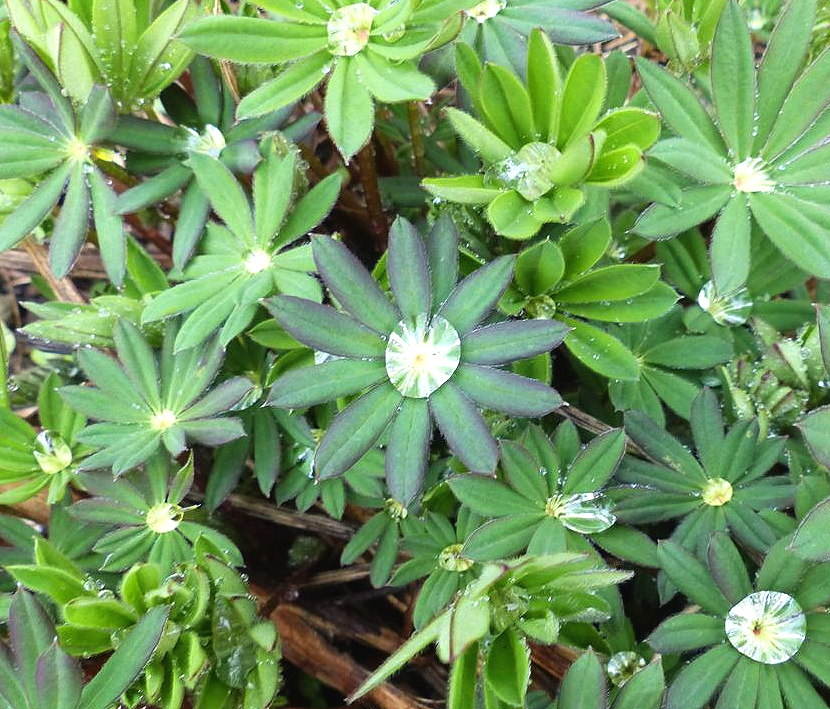 Water and Lupines Remaining True
For more on truth, please see my post today on earthwords.net. Please click here.
Categories: Ethics, flower gardening, Nature Photography, Water

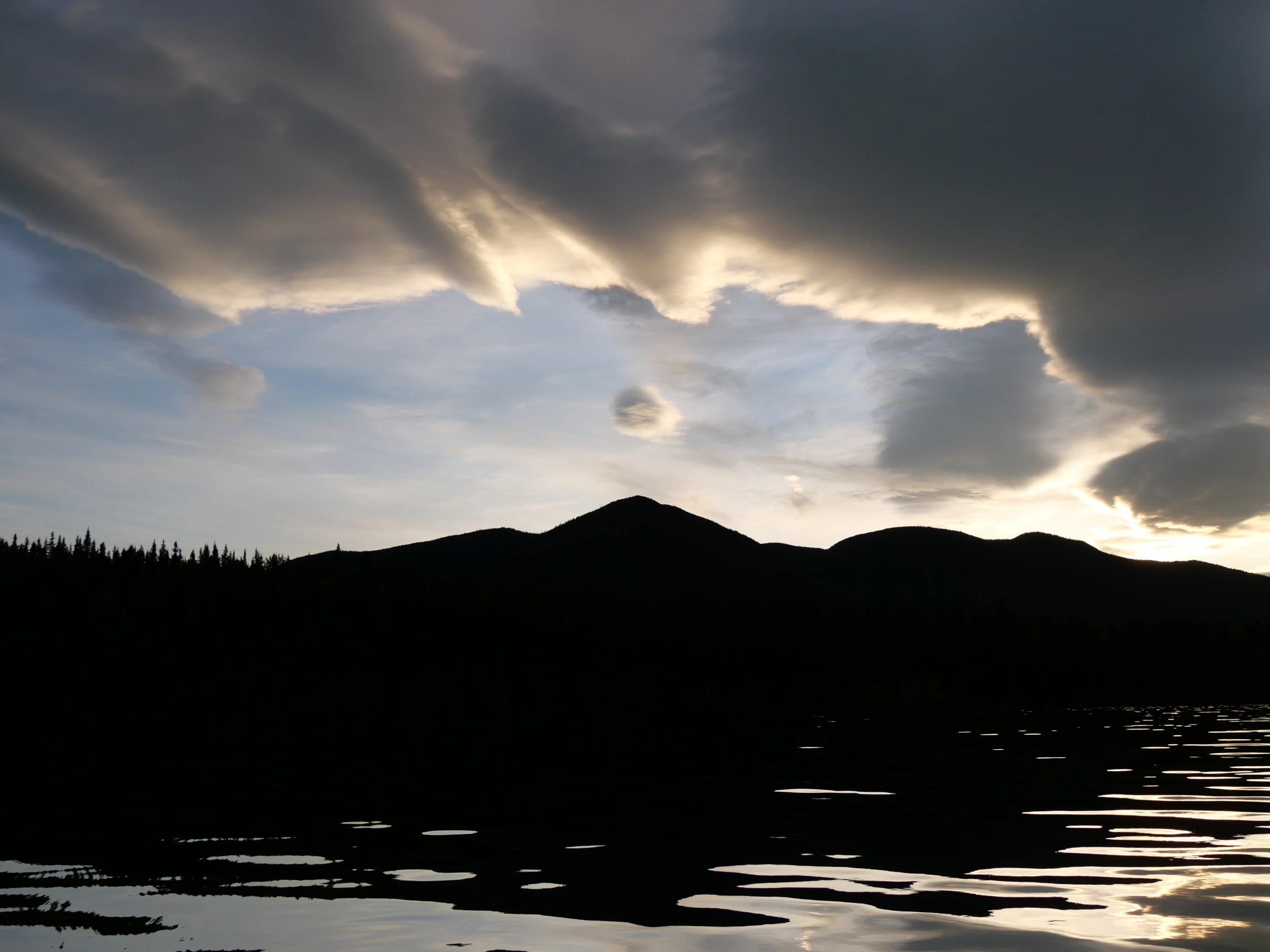
 Okanagan Okanogan