I have worked here since 2011 telling stories of the Earth as preparation for a history of the Intermontane Grasslands of Central Cascadia and the rainswept coast that keeps them windy and dry. Now I am presenting this history, step by step, as I have learned it, often from the land itself. The history of this region includes the Canadian colonial space “The Okanagan Valley”, which lies over the land I live in above Canim Bay. The story stretches deep into the American West, into the US Civil War, the War of 1812, and the Louisiana Purchase, as well into the history of the Columbia District of the Hudson’s Bay Company. In all, the story spans the Chilcotin and Columbia volcanic plateaus and the basins that surround them. In this vast watershed lie homelands as old as 13,200 years (Sequim) and 16,200 years (Salmon River.) That’s how far we are walking together here, who are all the land speaking.



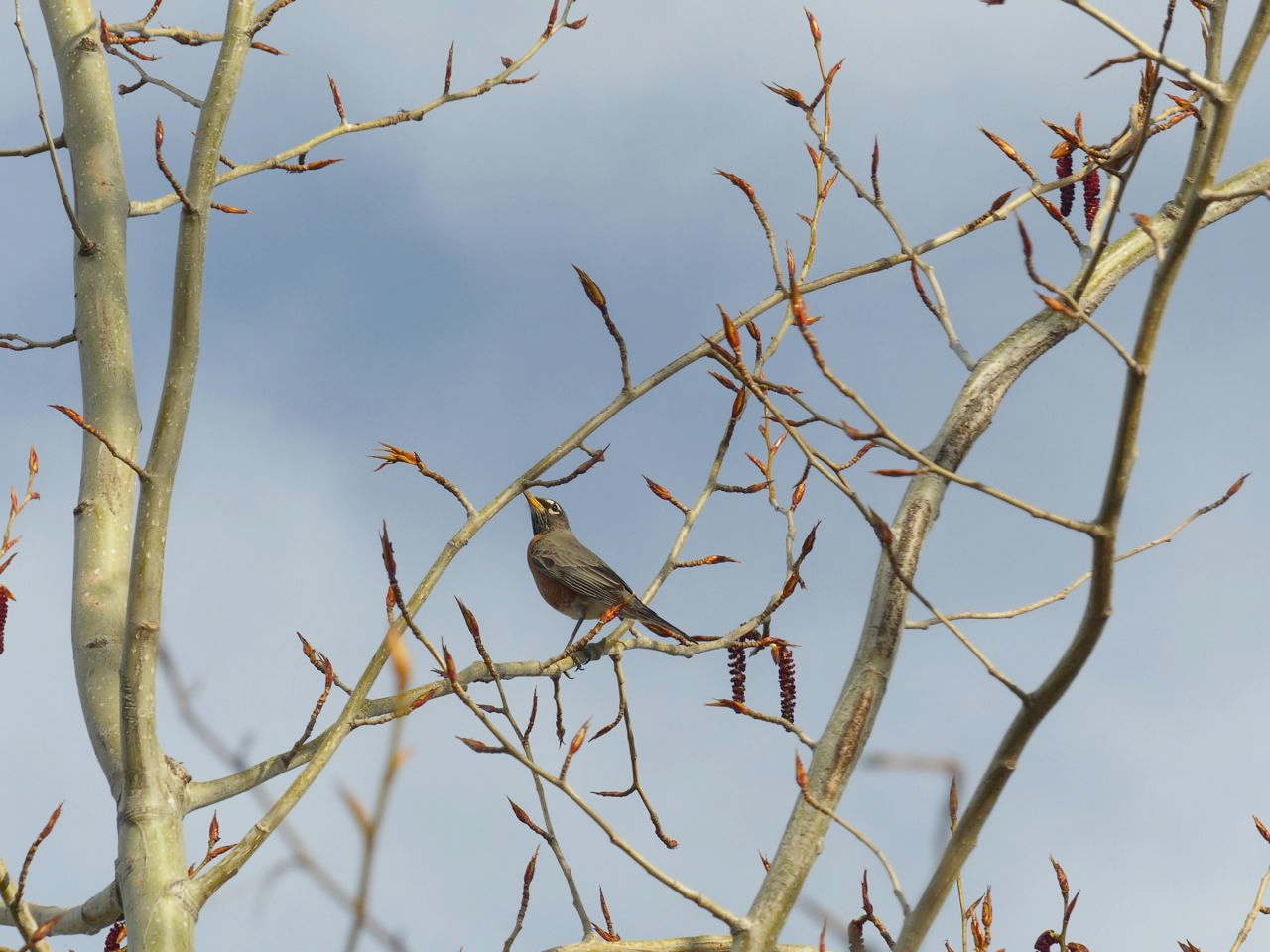 Here’s her guy.
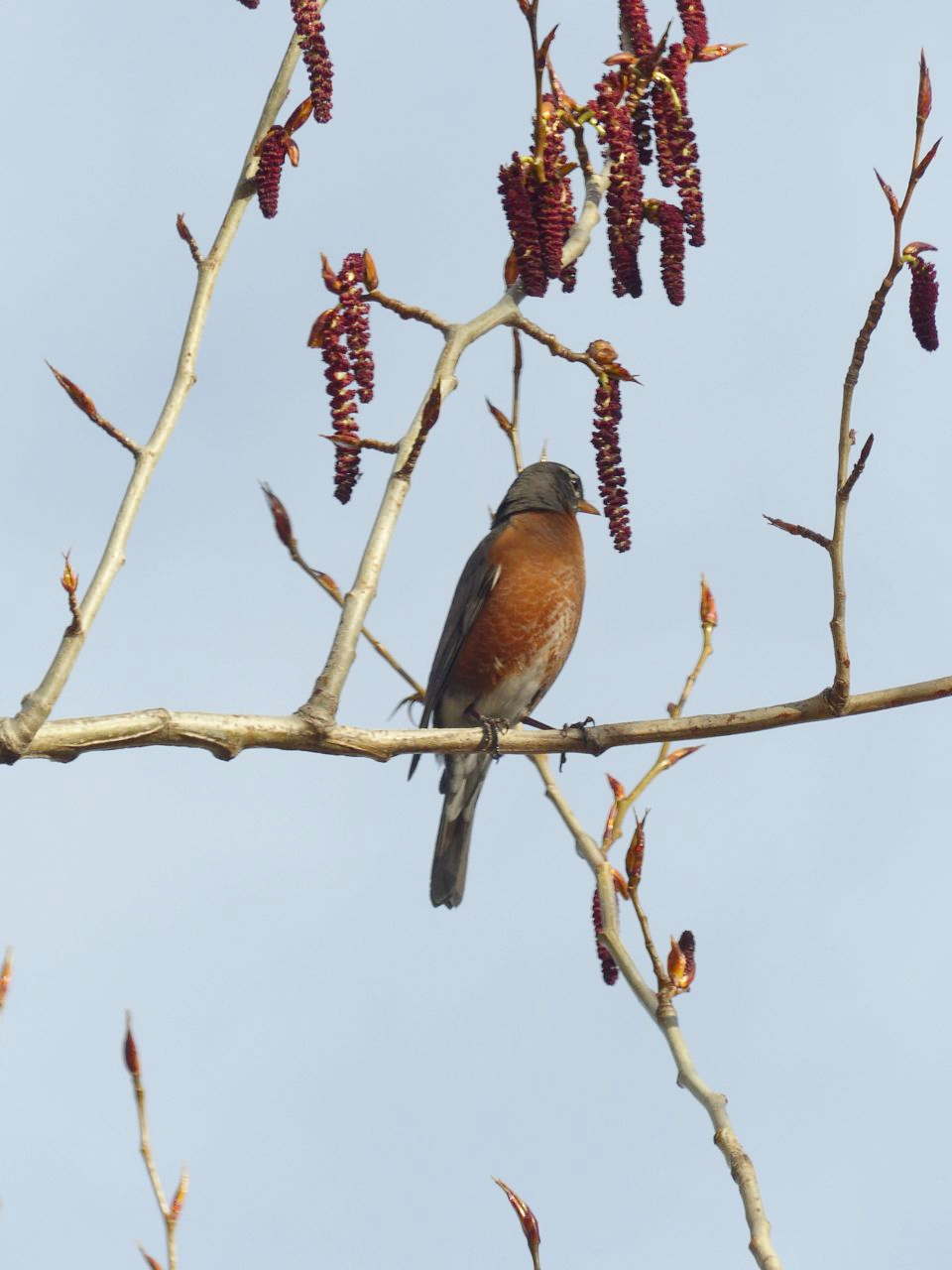 The next person who comes along and says that art is a human artifact, I tell you, I’ll take them for a walk. That’s what I’ll do. Do you think it’ll work?
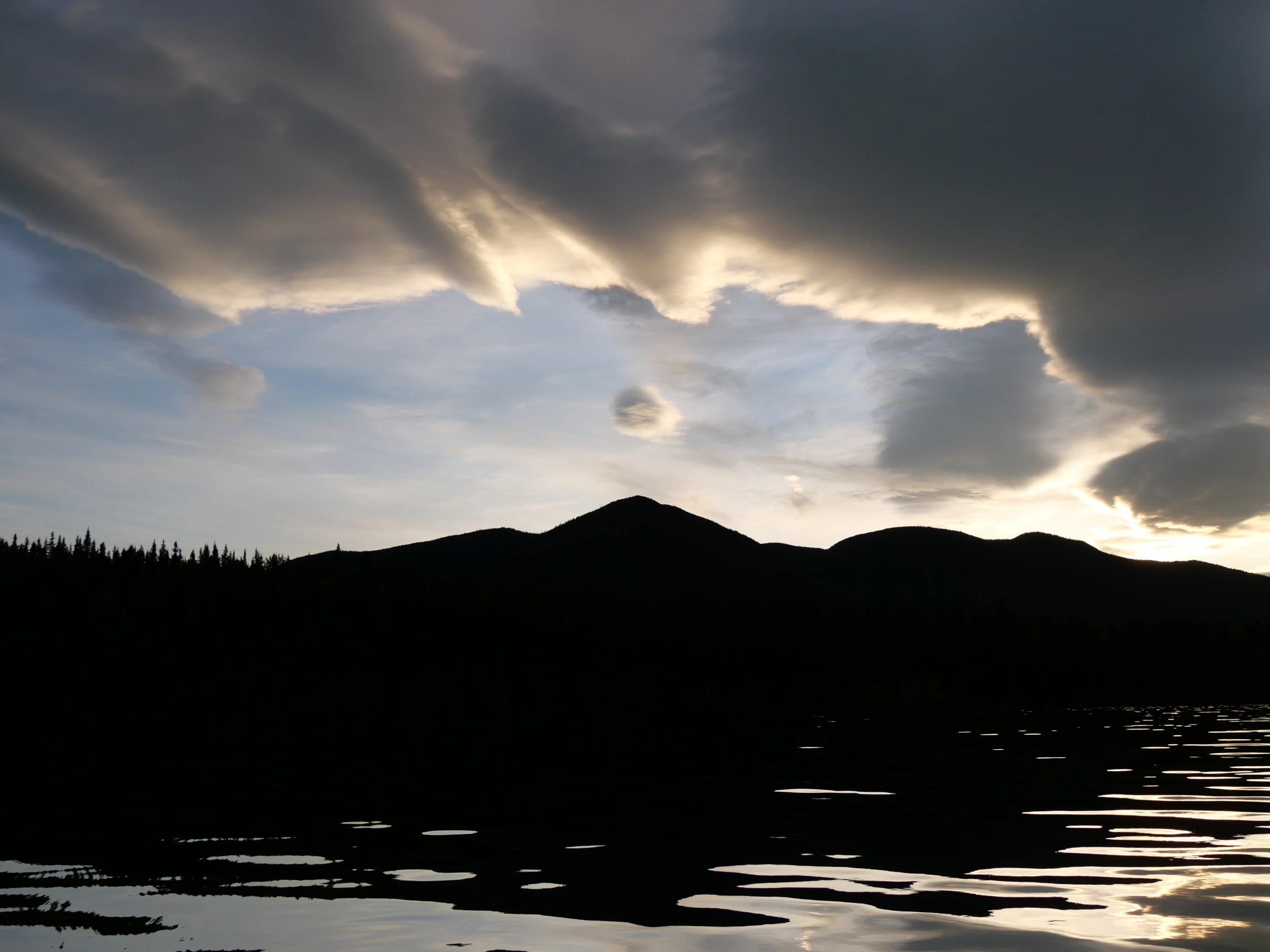
 Okanagan Okanogan
Howard, to answer your question, “Will it work?”: not with the typical post-secondary Art student, who, at best, takes the likes of you and me for sentimental drudges. Looking at the natural world–to say nothing of learning to represent it–is considered unpardonably reactionary in contemporary art training.
LikeLike
Yes. I know. That’s the point. But, as I’m sure you know, if we don’t start getting past human self-absorption the planet is dead. If art training doesn’t get that, art training will die, too. I think there’s room for honesty, still. Might as well use it before that window closes. With a bow, Harold
LikeLike