


In the sandy Kaiserstuhl in Germany, where grapes are native and wine has been made since before the romans marched into town, wine growers have learned to use buckwheat to build up the soil with fibre and nitrogen. At the same time, they build up a supply of predatory insects, and can forego chemical applications. These growers farm as if they intend to stay for a few thousand years more.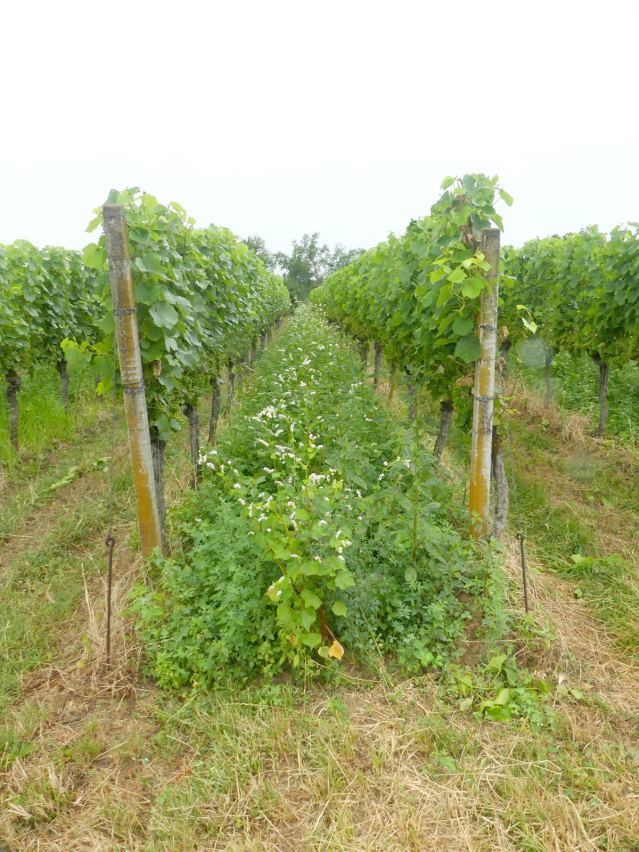
In Canada, where grapes are foreign plants requiring climate alteration and wine has been made for less than a century, things are simpler: you just mow everything down to a nub, spray chemicals like nobody’s business, and pump fertilizer through the irrigation tubing.

This land is only a commodity to buy, capitalize, draw down and, when depleted, sell for a different use. And that’s the way of it.
Categories: Agriculture, Ethics, First Peoples, Wine


 Okanagan Okanogan
Thanks for the juxtaposition. At one point Steve Pavish, one of the U.S.’s largest grape growers, also did things with covered soil, etc.
LikeLike
https://www.winesandvines.com/features/article/65504/Grapegrower-Interview This interview demonstrates that the “spray and shoot” method of chemical ag is not the only way to grow grapes. It has a reference to Pavich (which I missppellededed) in the previous reply.
LikeLike