
First, a Canadian apple tree: Then a Welsh one. Then a Canadian one. Or a bunch, really. Then a Welsh one: Four years old, and the Canadian ones are dying.

First, a Canadian apple tree: Then a Welsh one. Then a Canadian one. Or a bunch, really. Then a Welsh one: Four years old, and the Canadian ones are dying.

The Okanagan Valley is a great place for fences. The concept of taking common land and turning it into private land, and the dispossession of the land’s people that came with it, […]
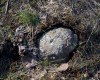
Really. Really. These are effects created by winter heating, freezing and melting. In other words, the nutrients released by lichens in late winter are created by stones heating in the winter cold, […]
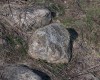
Note how the two stones below differ. The one in the foreground is rich with lichen, and producing nutrients for life at its base. The one above it, in the upper left […]
As we work to free ourselves from the constrictions placed on the Earth by colonial understandings and allow it to come to life again, it’s good to remember that the very concept […]
This is the tenth of a series on race and apples in Northern Cascadia and the stresses this racial past places on food security and affordability, land access and environmental resilience. I […]

Before 1923, Indigenous farmers contributed to apple growing in Cascadia in four primary ways: As labourers at such places as the Hudson’s Bay Company gardens at Fort Vancouver, Fort Okanogan, Fort Colville […]

Here we are, seven steps towards the future. It’s getting close! I’ve been following the trail of the racialized beginnings of fruit growing in Cascadia, to the costs of that in our […]

Apples aren’t as healthy as they used to be. Race has a role in that. A big role, actually. Poor Joseph. Now he’s a hydroelectric dam. Spanning the Columbia right next to […]
Bit of a thing, it is. The City of Vernon wants to thrash milfoil… … in the lake, because it’s a nasty invasive plant that does a lot of bad things to […]
 Okanagan Okanogan