


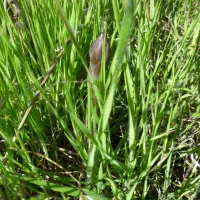


Land and water are land-and-water: one substance.
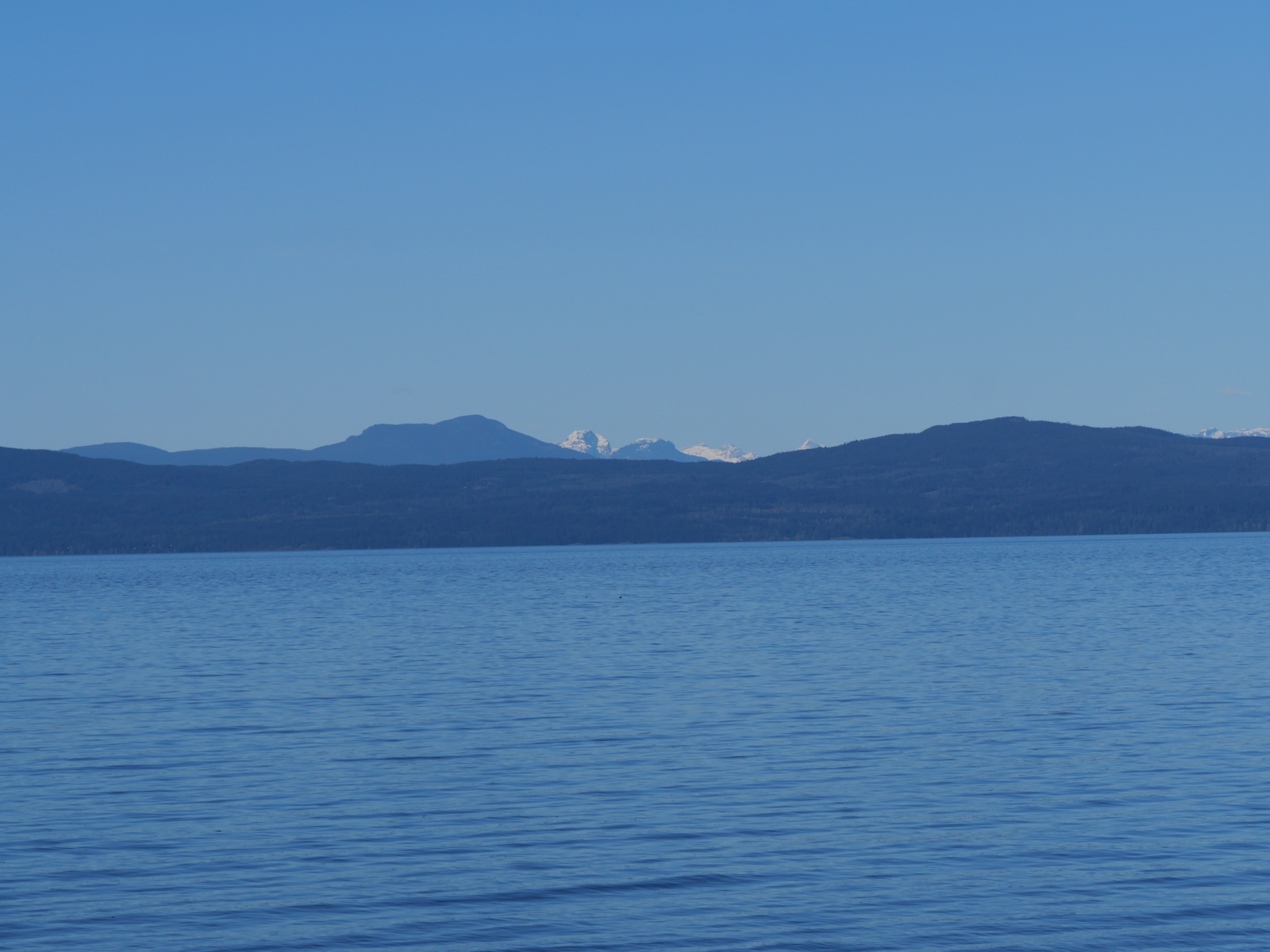
Salish Sea, the Islands and the Coast Mountains
Talk about this weave doesn’t have to start with words. Below is a conversation that places human life within this substance:
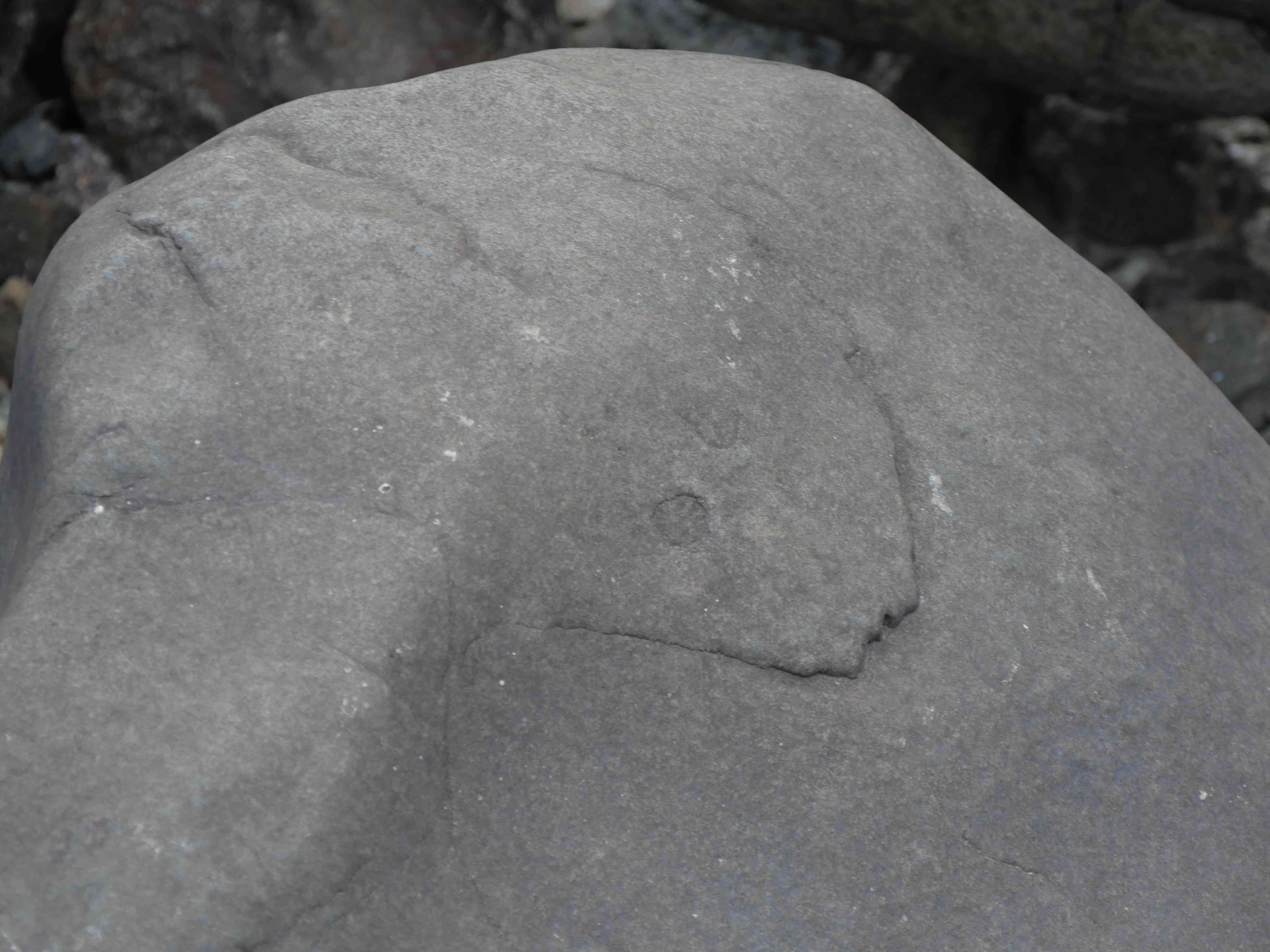
Nlaka’pamux Fish-Human
If you’re going to cut trees from this conversation, be aware that you are cutting them from the voices of both land and water.
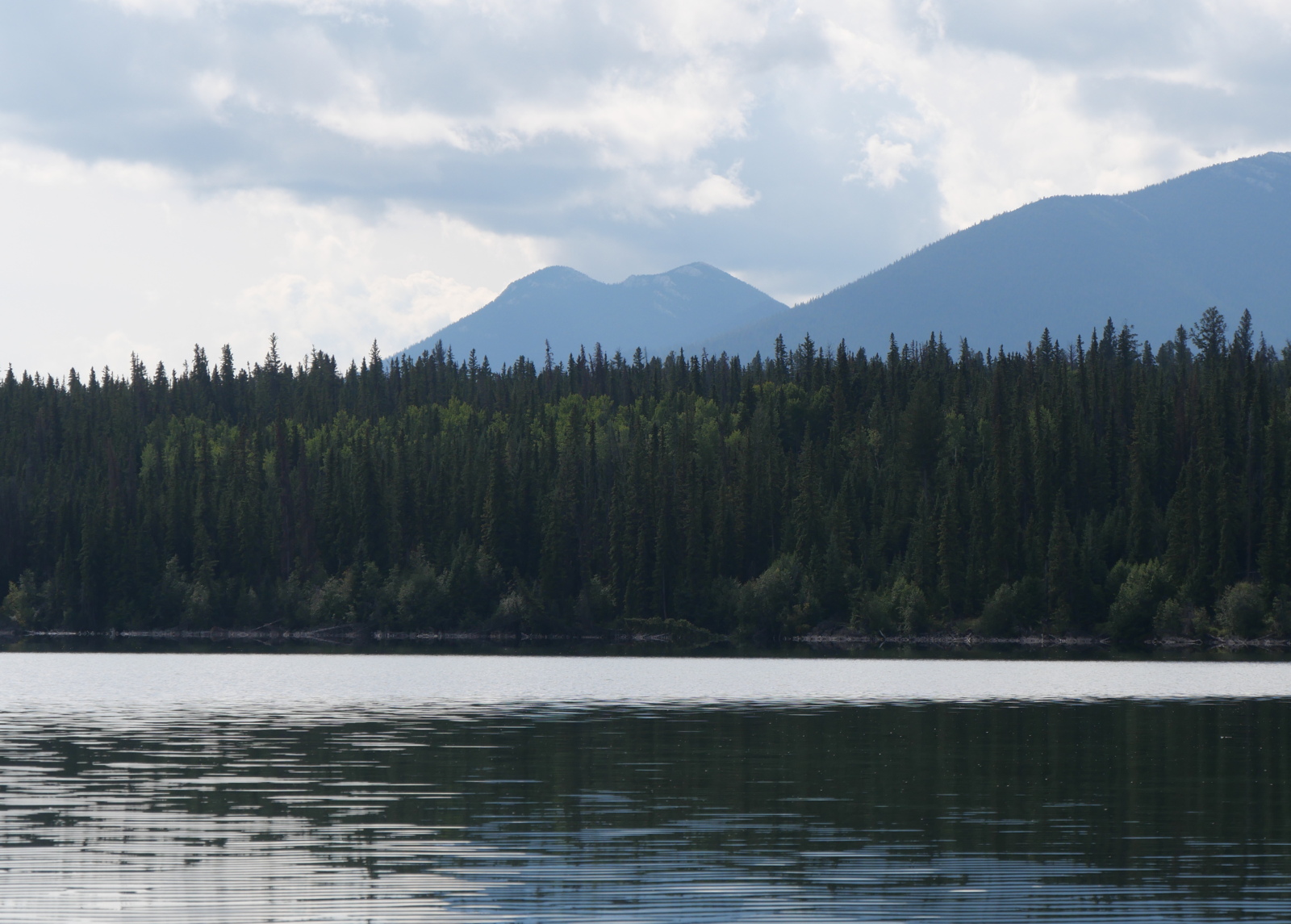
Many States of Water and Land at Big Bar Lake
If you’re going to plant trees in dry parts of this conversation, remember that you are inviting fire to join in.

Big Bar Lake Grassland
If you plant it with straw, same thing.
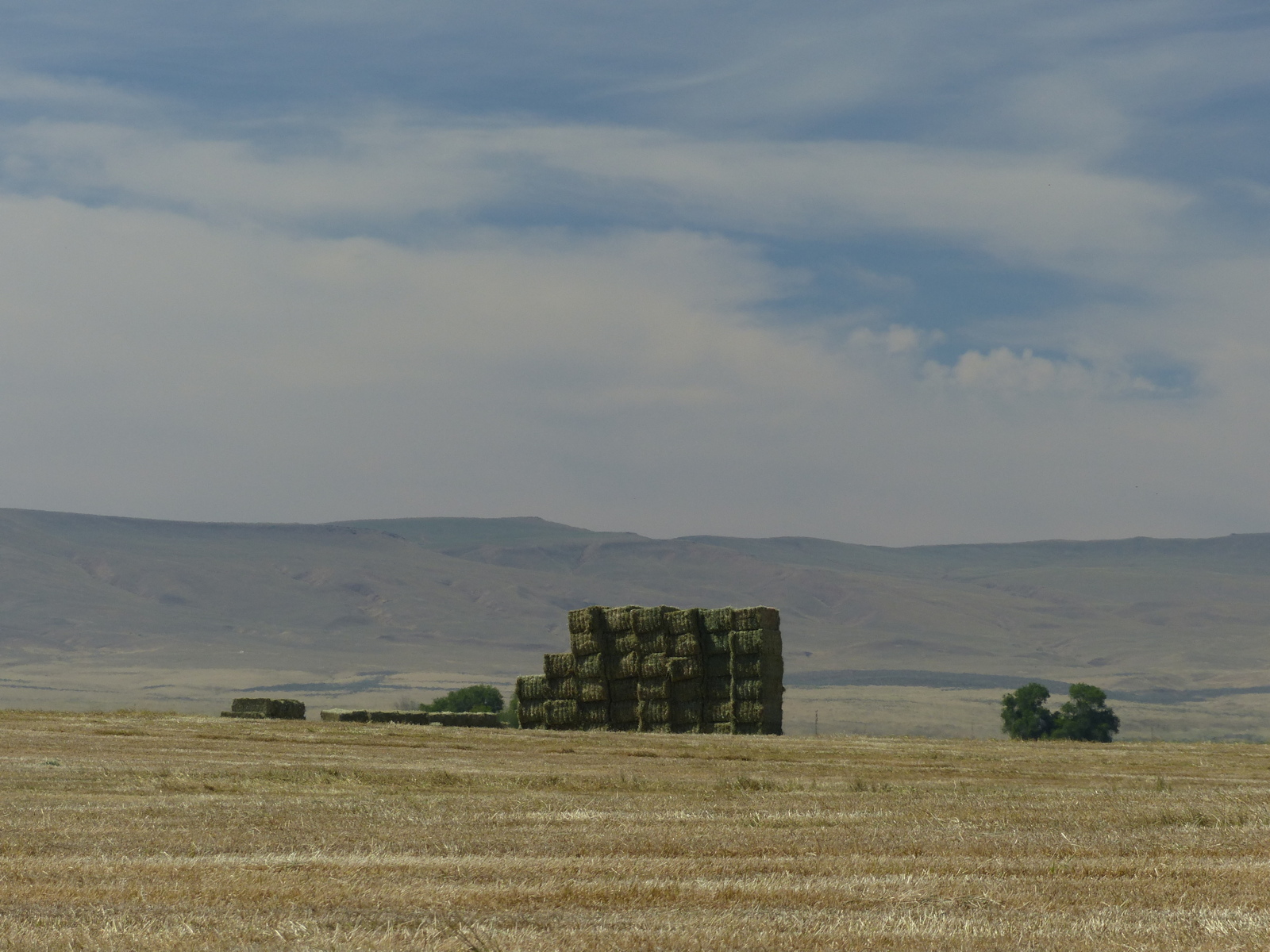
In short, if you separate water and land from land-and-water you can harvest the excess, but it’s a trick. There is no longer land-and-water. Instead of living on earth, you live within a system. In other words, you live in a social system. This, for example, is downtown Cascadia:
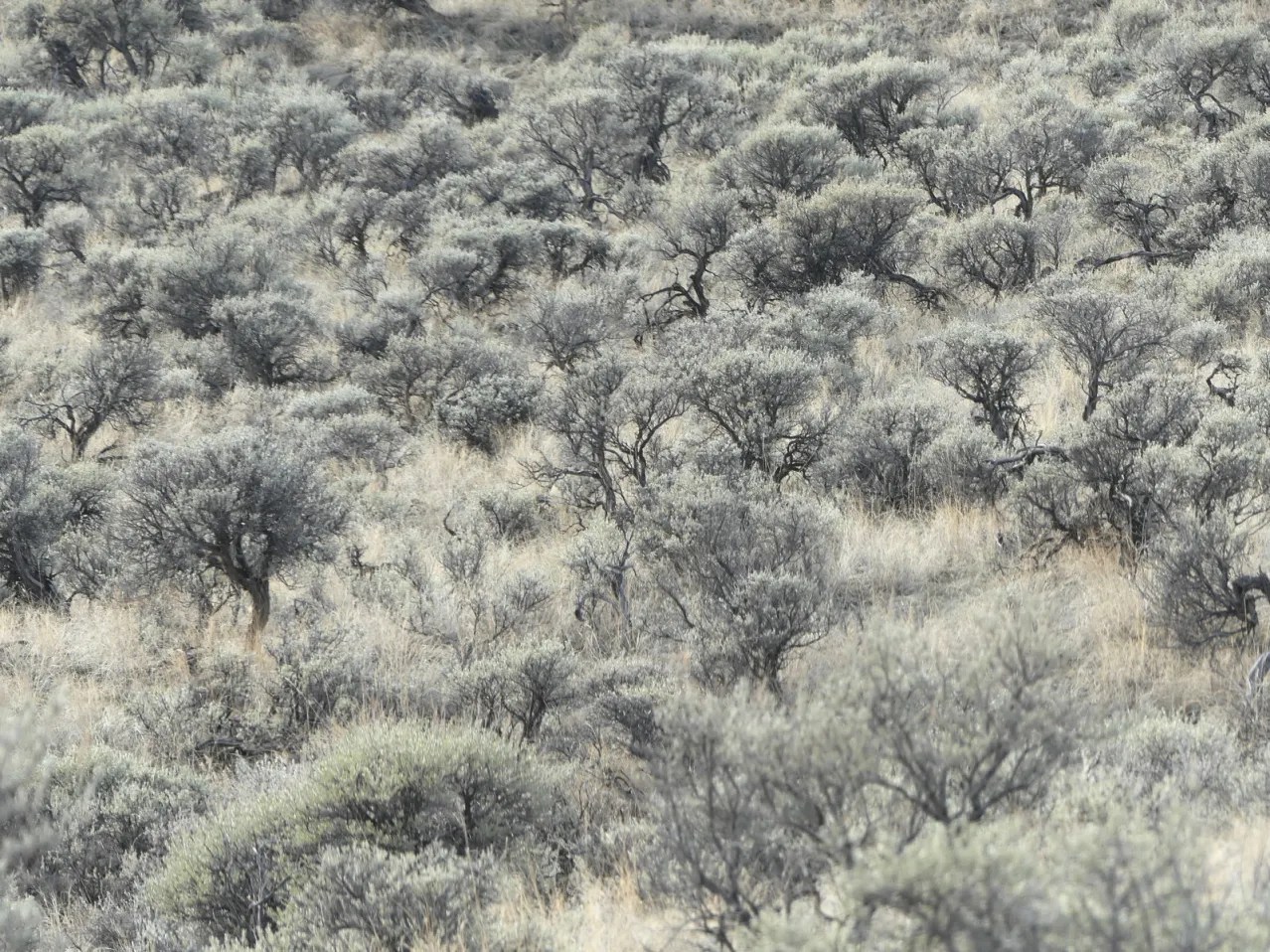
Basque Ranch
Separations are history here, but they come at a price. We can talk of land-and-water as one substance, but the grasses on the Basque Ranch above, and the grasses and pines below:
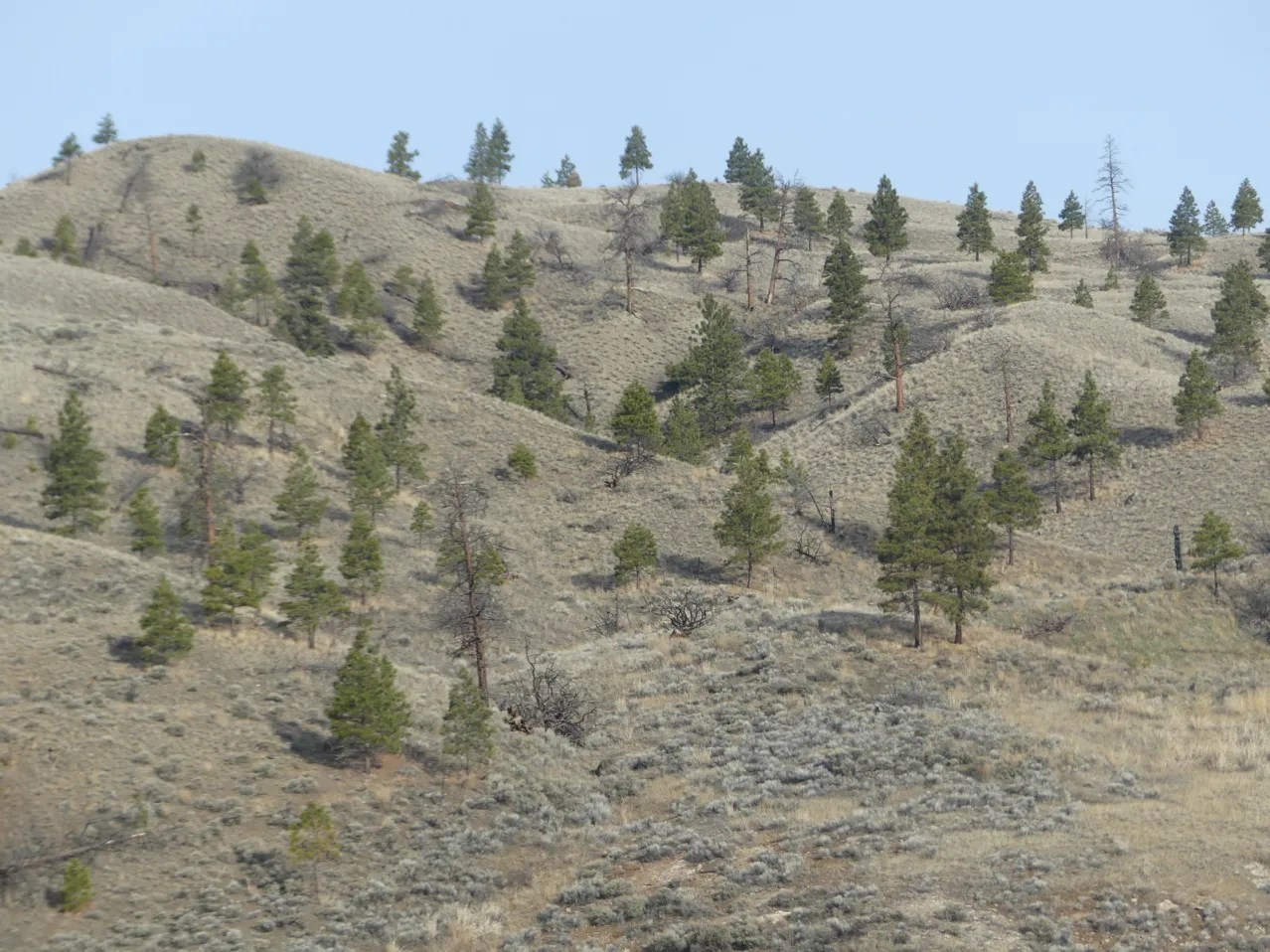
Basque Ranch
… evolved when the oxygen in Earth’s landscape reached a certain percentage and everything began to burn. Human societies managed this for many thousands of years by living in a broad weave. Land-and-water in Cascadia do not stand alone.
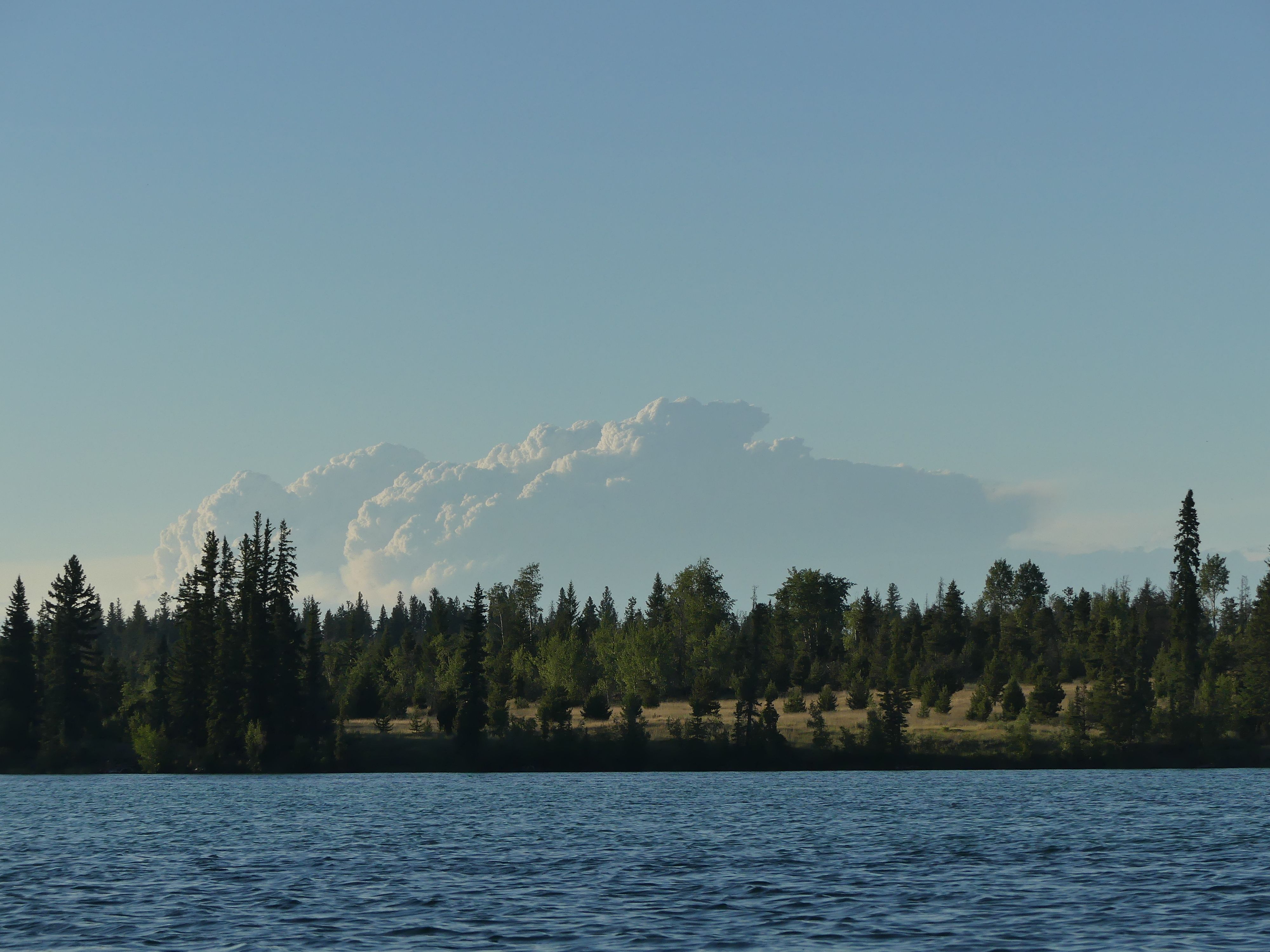
Fire at 70 Mile House
They are interwoven with two other threads: people (and that doesn’t just mean human people) and fire. In other words, fire, whether active or in potential, is part of human communities. As humans, we are fire. It’s tricky, too. We can talk with a straight face about insect infestation and dead trees, such as these Douglas Firs on the moose trails of the ingrown Marble Range Savannah…
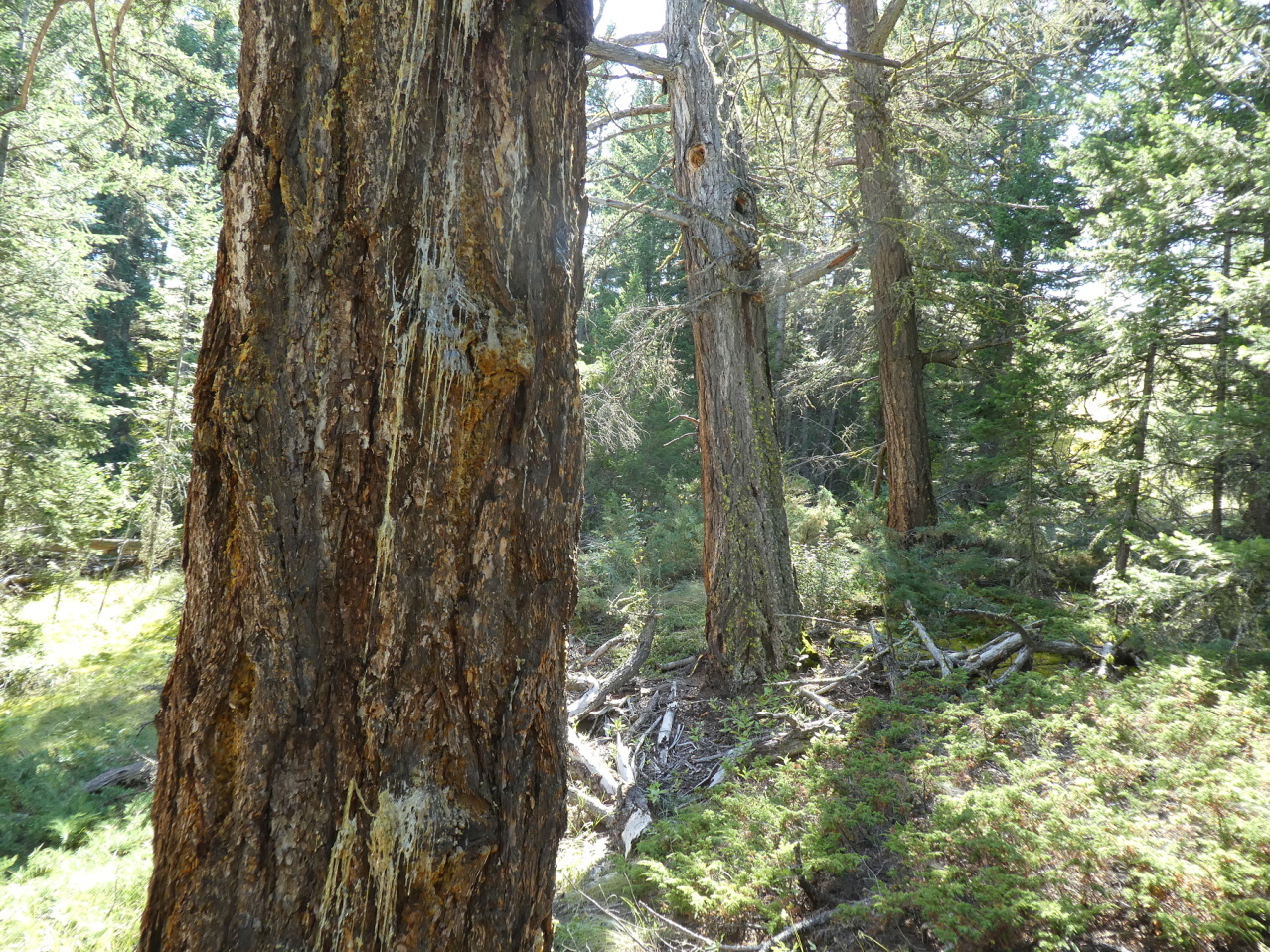
The Young Trees Here Are No One’s Friend
… as victims of climate change, but that’s a one-sided conversation. Humans changed the climate! This is not wilderness. It is social space. The scene below is also social space.
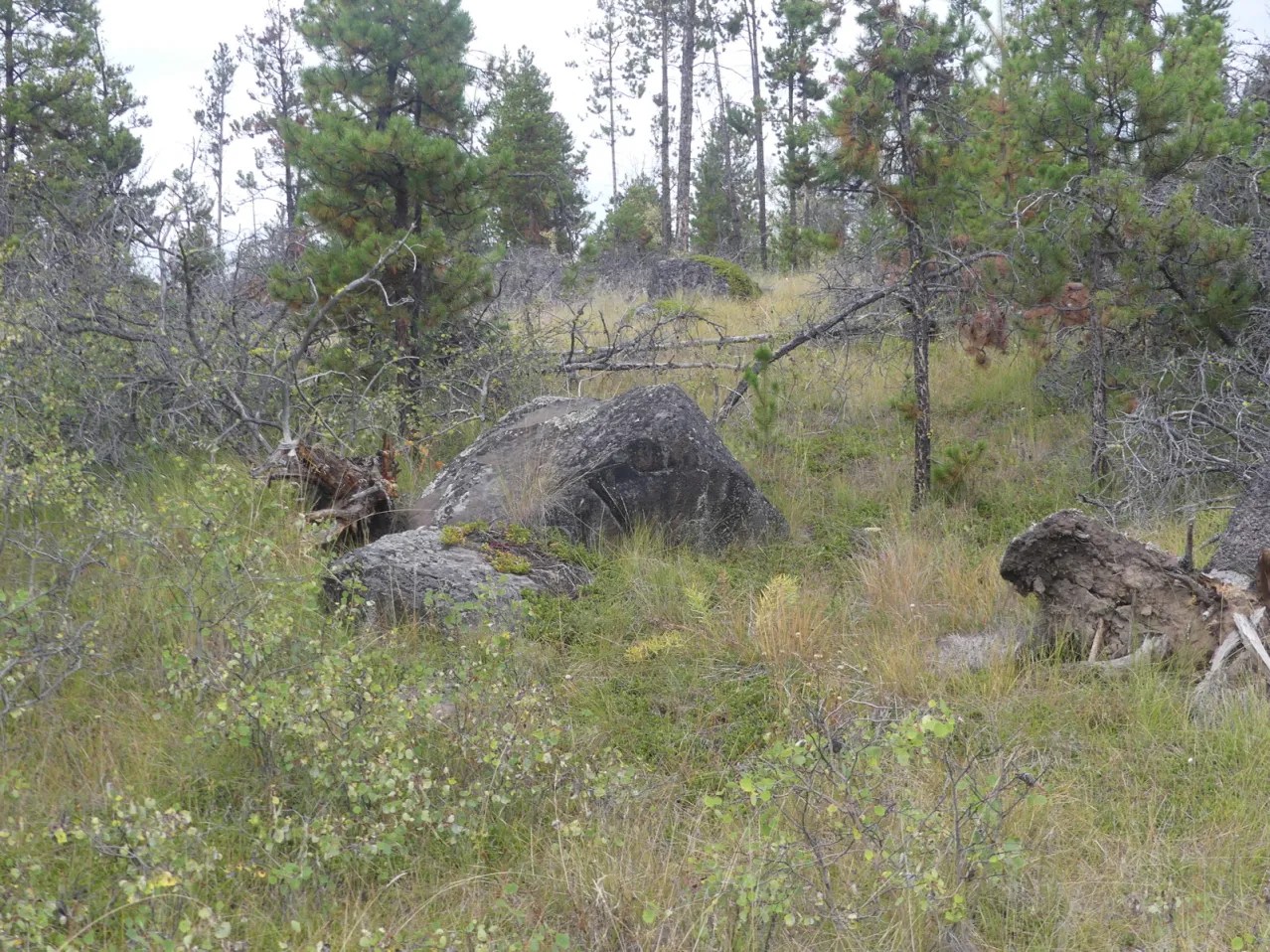
Big Bar Lake Morraine
If viewed as the social community of land-water-humans-fire, it is still missing some people. Those fire pines, for instance. The aspens in the foreground. These guys, too:

Civic Destruction Team at Work, Canim Bay
Note how they are grazing a grassland turned into weeds by their presence. They aren’t grazing a productive grassland. They are grazing the unproductive weeds.
But let’s not single anyone out:
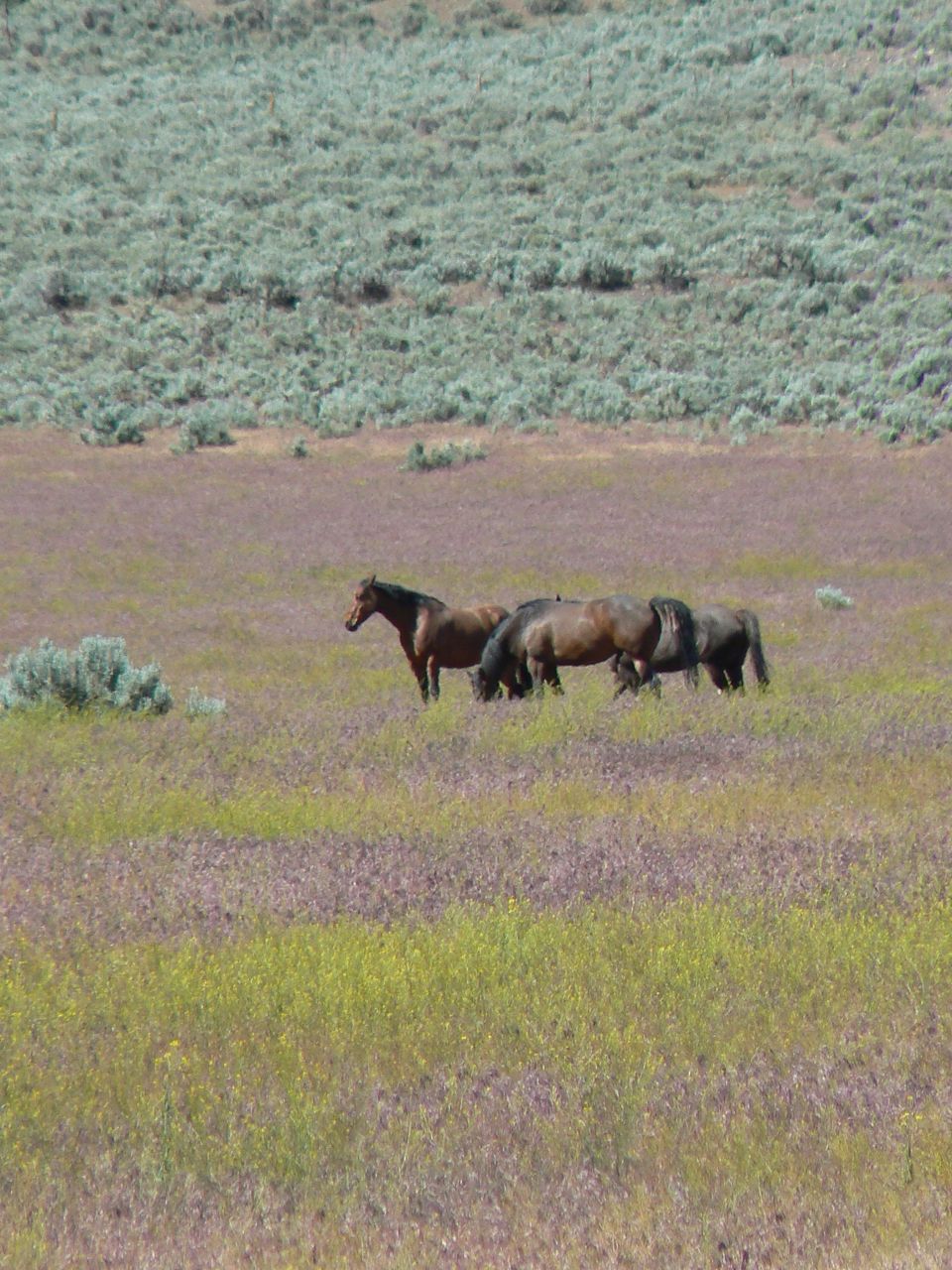
Three Horses Grazing on the Fire Their Grazing Has Made. Mauvais Rocher
As they were humanly set there in the land-and-water, we can accept them as part of human speech with the Earth. The trees, though, those guys have their own talk going on. The aspens, for one.

Pileated Woodpecker in the Aspens at Chasm
These guys:

Aspens Sheltering Firs
Firs burn. Aspens not so much. In the fire conversation, cattle eat aspens and create fire. The aspens, however, will come back if the cows don’t stay too long. They’re not trees, after all, but the crowns of vast underground organisms.

Big Bar Lake
Here’s one, just one, coming back after the removal of cattle and the death of the surviving stem:
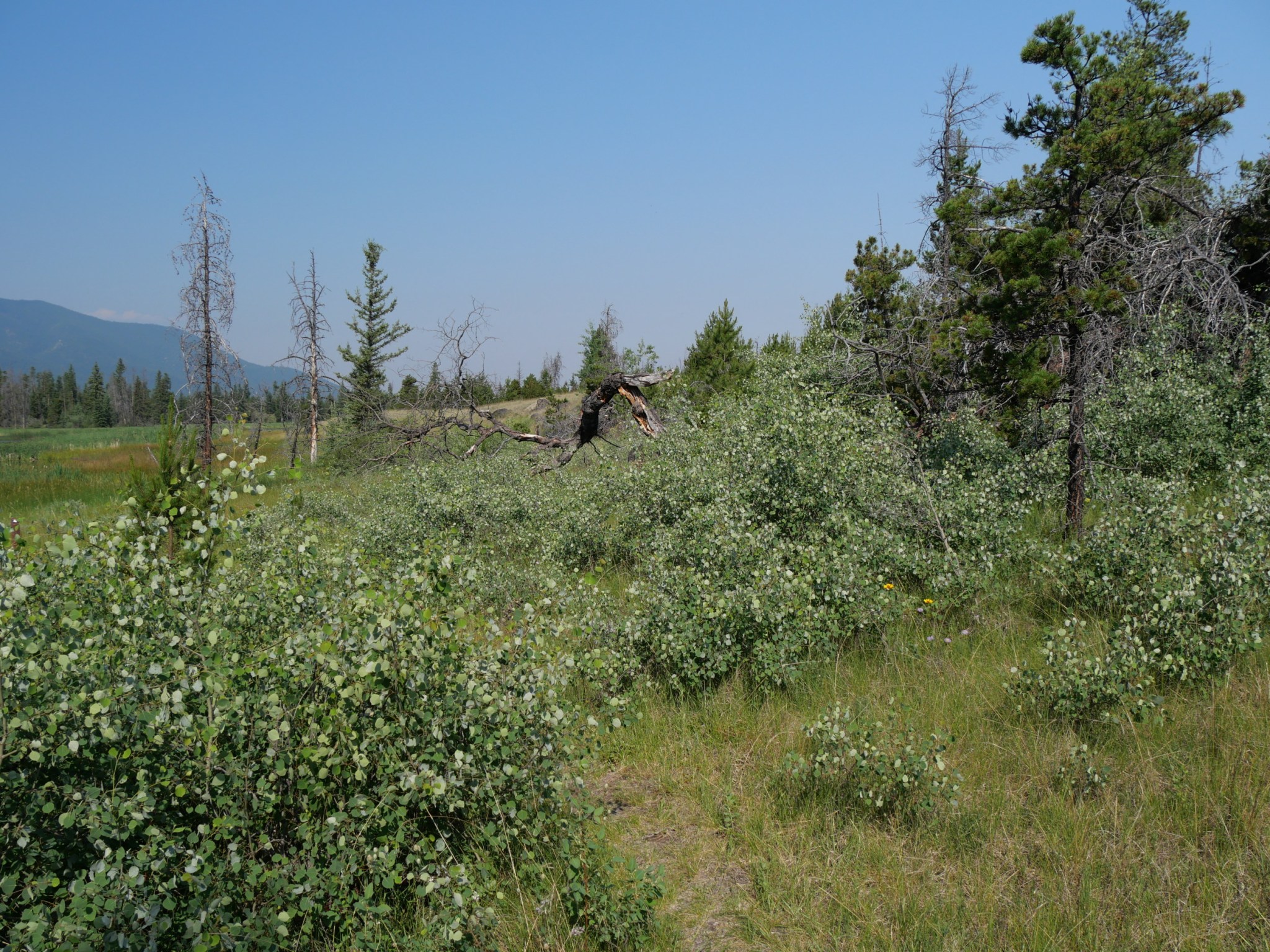
Big Bar Lake Wetland
Look at it protecting those pines and that fir from fire. Not just pines and firs, either:

Best Just to Call This a Pond
Saskatoon, choke cherry, birds and grouse dip into these green pools in the grass as well. This is water. Land-and-water woven together are life. Water-land-people-and-fire woven together are life. Separate, they are Land. Water. People. Fire. They require the construction of a social relationship. Fortunately, it’s not up to humans. Here’s a bit of pumice doing the work.
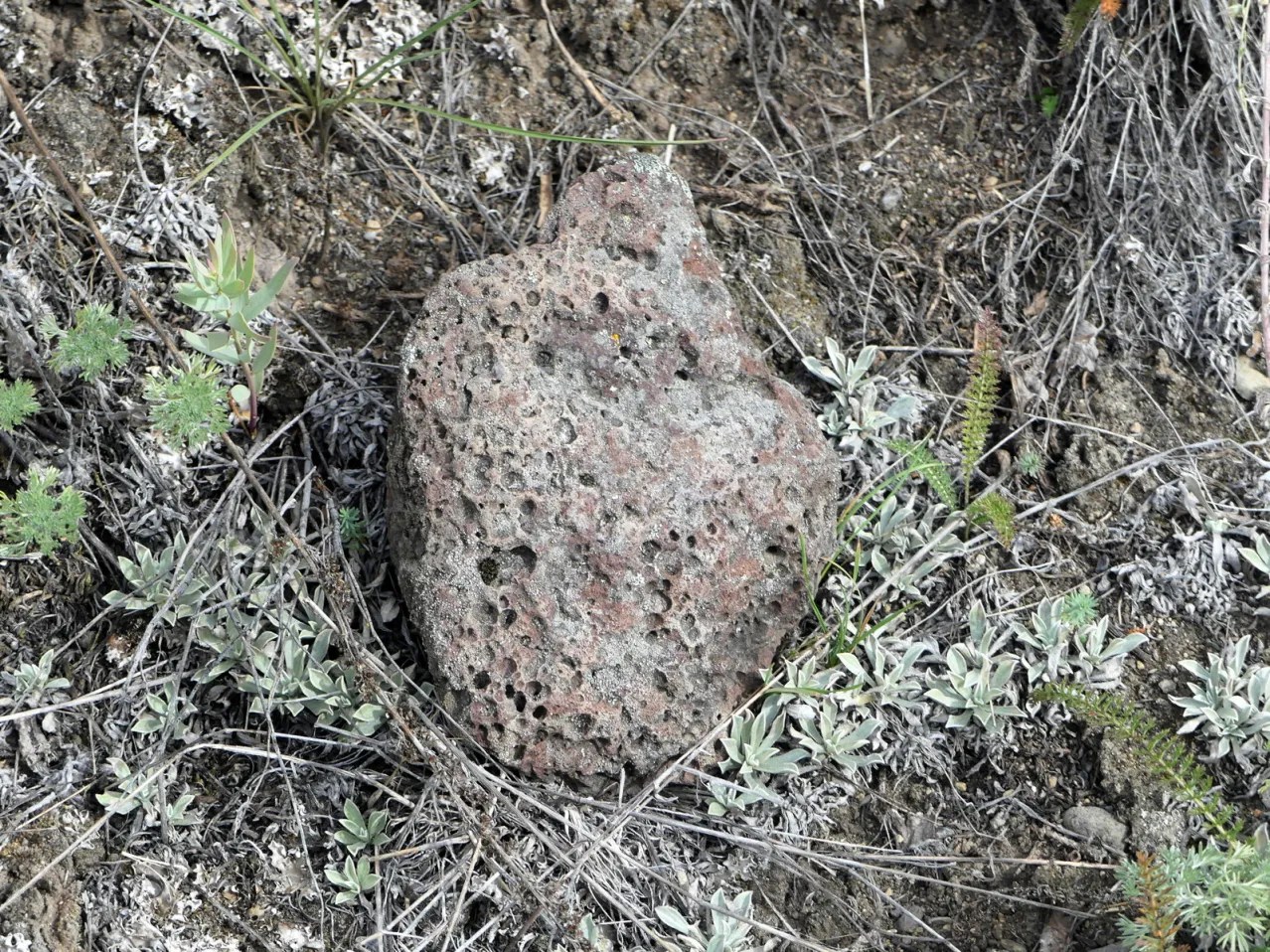
The Bed of a Rushing Glacial River Collecting Rain and Snow and Bringing the Sun to Life
Rocks are water. The conversation is not in human words. By insisting that it is, we break it.
~
Next, let’s go to Hornby Island and McLaughlin’s Canyon to see different ways in which humans can positively enter the conversation: important stuff as the world begins to burn. We’ll look again at that fish-human, too.
Categories: Arts, Atmosphere, Cascadia, Earth, Erosion, Ethics, fire, fire gardening, First Peoples, Forestry, Global Warming, Grasslands, history, invasive species, Nature Photography, Water, weeds

 Okanagan Okanogan
Harold, The comment box is not working on my screen. I want to express my appreciation for this sentence, especially: ” Firs burn. Aspens not so much. In the fire conversation, cattle eat aspens and create fire. The aspens, however, will come back if the cows don’t stay too long. They’re not trees, after all, but the crowns of vast underground organisms.” Every time I hear someone talk about ‘weed trees’ (aspen or balsam) I wonder if they ever see the forest. Thank you for alerting me, reminding me, of this conversation of life.
LikeLike