




Before I left for the last two weeks of travels through the deserts, mountains, and beaches of Washington, I began a discussion on global warming, which centred on water use in dryland climates, and how misunderstanding of the ways in which water works in drought leads not only to waste and water poverty but to the bizarre contributions of local cooling to global warming. To refresh your memory, the original article is here. As you may recall, we were up on the hills, looking down over the remnants of the wetlands in the valley bottom, largely divorced from the hills that once fed them and turned into channels for run-off surface water. Still, they are rich in life, despite their reduced size. Here we are, down in the valley bottom, three weeks ago…

Okanagan Landing Wetlands
A complex environment filtering water through a diverse community of plants and animals.
It looks as great as it should look. All is, sadly, not well, though, even in this rich source of life. Here, for example, is what that wetland looks like when we turn east and look away from the previous shot:

Infill and Weeds
What happens to a wetland far too often. Note the cat tails. More about them below.
That’s not the only thing that happens to wetlands, though. They seem to be the ultimate space for humans to expand into, making dry land where they once needed frog flippers and gills, and like the western space, cleared of Indigenous peoples by Canadian and American land reservation systems, that is continually being rewritten according to images from somewhere else, they are being transformed into all kinds of uses. Here is the same wetland, but looking north towards the hills where we started this story (and this blog’s home)…

Wright Field Soccer Pitch
It is here in monocultured grass irrigated by effluent from the Vernon Water Treatment System that the young people of Vernon are trained to be healthy and to engage in sport, in a tradition that goes back to mid-19th century Leipzig, where gardening and sport were seen as combined activities to ensure the health of inner city kids living in environments poisoned by coal smoke.
Health, it seems, has a specifically human meaning in this new environment, with perhaps too little recognition of how humans are actually a part of complex systems, that, in fact, humans and the natural systems in which they live are indistinguishable, just as the blackbird that nests in the cat tails we saw above and the cat tails in which it nests are indistinguishable: together they are the life in the moment.
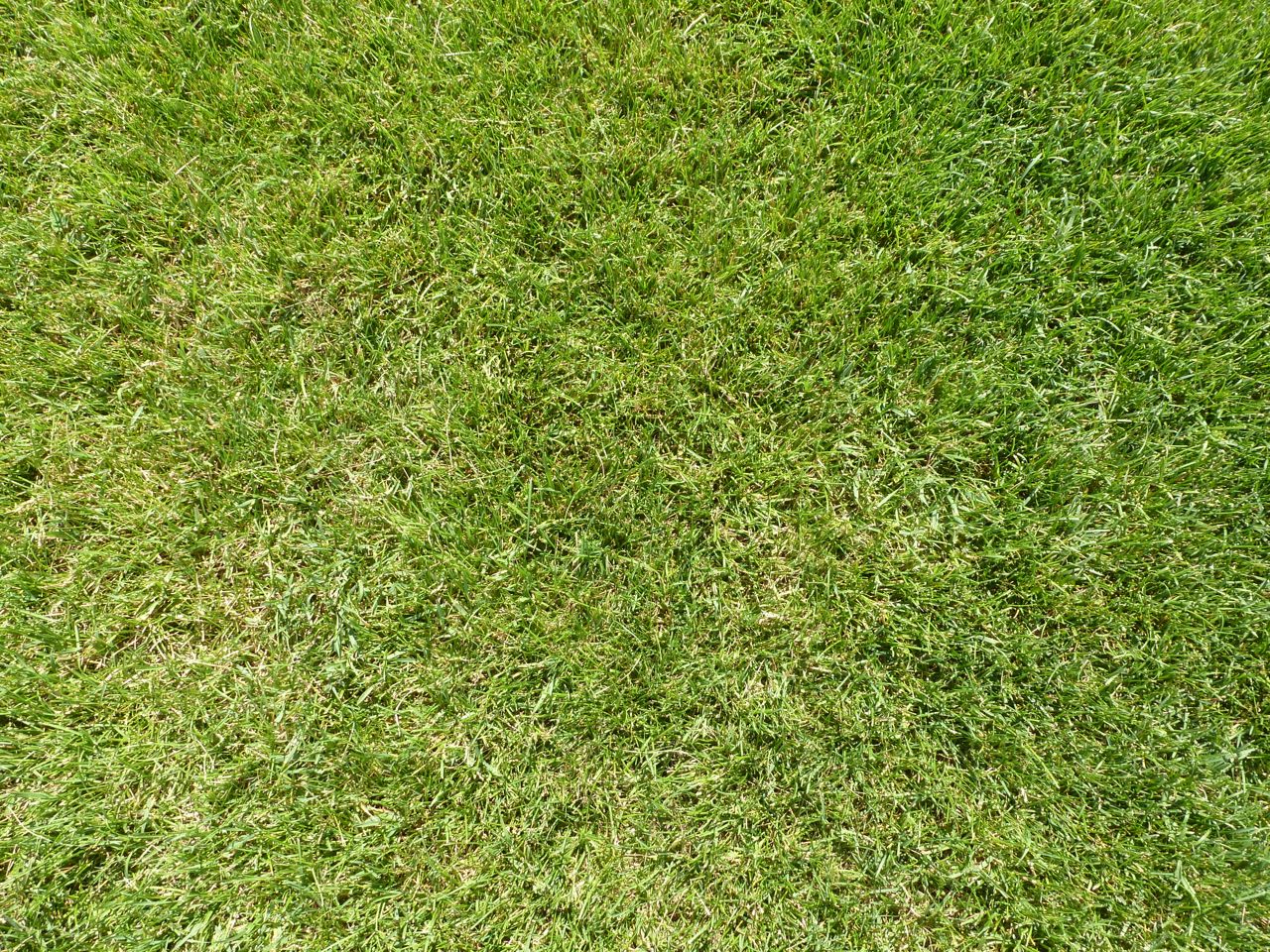
Biodiversity on the Soccer Pitch
Two species: Humans and Grass.
Even without the life that allowed the original wetlands to filter the water of the entire system, this new wetland/sports field is being asked to filter the city’s waste water. Voilà.

Yeah, That’s Healthy.
Sport is not the only use to which wetlands can be put once their connection to the natural environment is broken by the imagination that sees water as a flowing surface product, rather than a component of a complete, living environment. There is, for example…

The Vernon Regional Airport
… and …
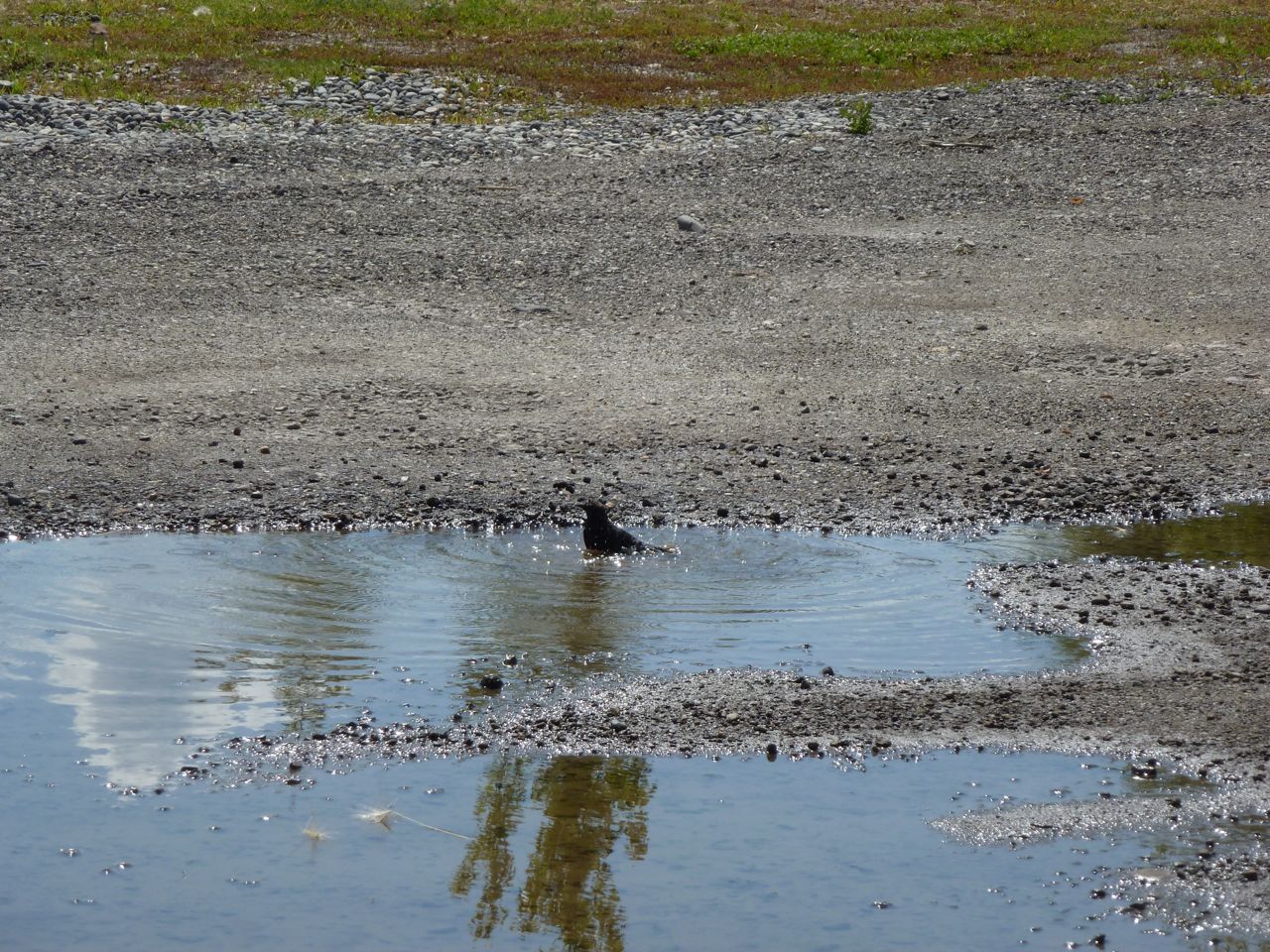
The Replacement Okanagan Landing Wetland
It’s not possible to live here anymore, but birds can now take advantage of human pursuits and have a bath. Meanwhile, looking south…

Road, Cat Tails in a Ditch, and a Subdivision
More habitat for humans.
This habitat includes not only recreational and living space, but spiritual space as well.

Spiritual Space Replacing the Lungs of the Water System
In this new, sacred environment, the incursion of natural life is NOT to be tolerated. It is a kind of infection.

Healing the Church Yard
Wait, not so fast!
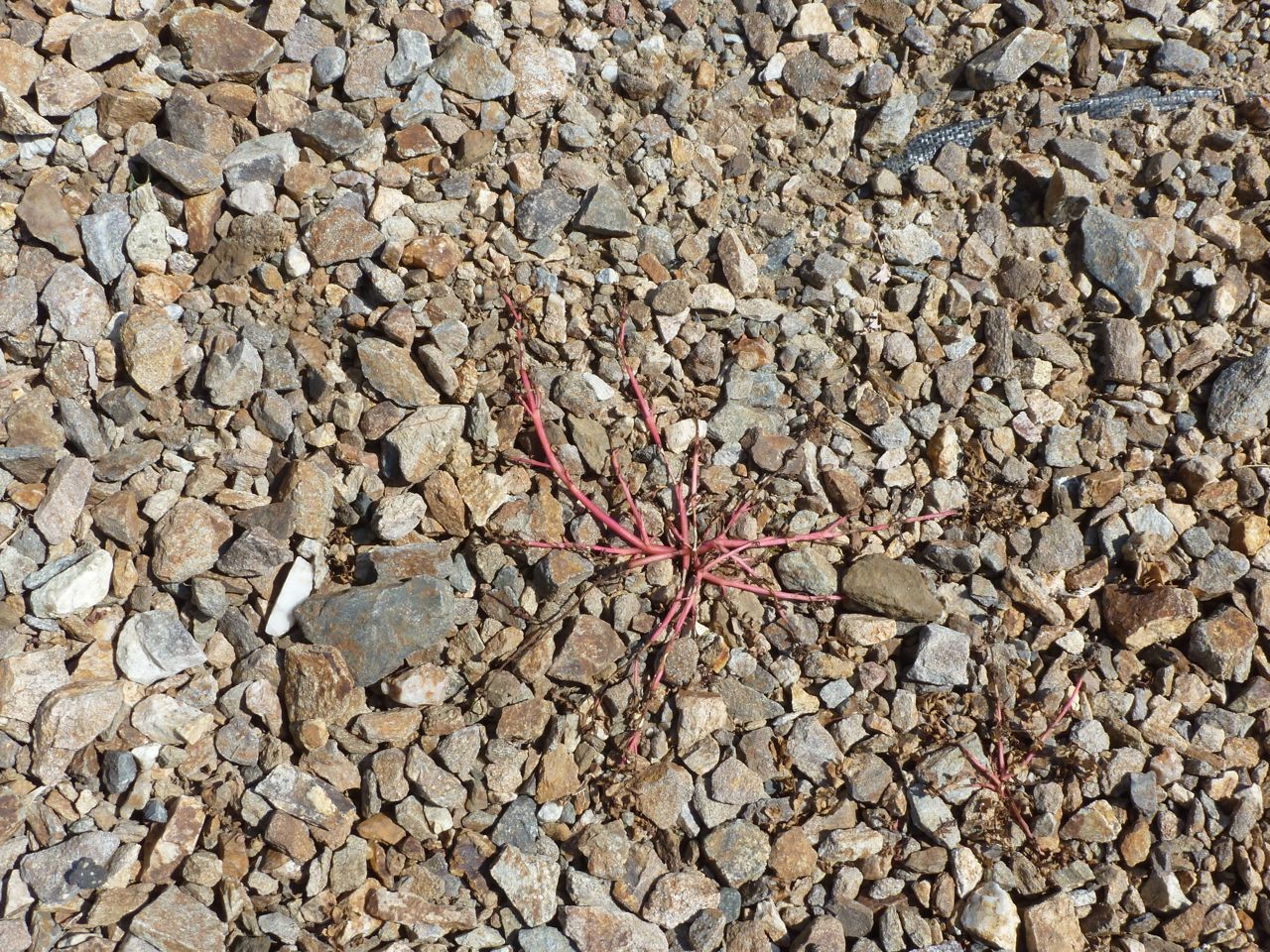
Nothing That a Bit of Weedkiller Can’t Take Care Of
It’s spiritual, all right, but eeyw.
The old wetland also sports that lovely human quality, irony. Here it is found in a garden shop, selling hundreds of species of flowering and food plants for human planting, replacing the hundreds of species of natural plants that once thrived here, without the need for human planting, and which operated the water system…

Garden Centre
Filling in the wetland, to replace it with less native species.
Just down the road, I made this image, to show you the charming effect these non-native species can be put, in a house that has replaced more wetland…
Fine Art, Okanagan Style
I tried to have a discussion with a local art curator about moving art out of the gallery into the street, something to which this family has beat the art world by a generation, at least. It was pointed out that by moving art into a gallery, it became art. Oh. This isn’t a gallery? The garden centre isn’t an art supply shop?
And, of course, people need to eat, so the new, dryland wetland even offers food, where the blackbirds once flew…

Low Low Food Prices
Justifiably. The people who live in this old wetland are largely poor.
Isn’t it strange that a landscape that produced the wealth of the entire region and regulated the water flowing down from the hills and back into the lake and the air, is now a place of poverty? That’s the result of a long tradition of land use planning. Oh, and those blackbirds? Sheesh, a guy goes away for two weeks and another blackbird habitat gets the axe. It seems the blackbirds’ last holdout is being filled in to make way for a flood control system. Um, isn’t a wetland a flood control system? Why, yes it is. Here’s the sad news, about how the work was held off until the birds had finished nesting and how habitat is being protected. Hunh? By being scythed down? What about next spring? When the birds come back? What then? Words used as advertising slogans and press release filler doesn’t really generate the deep thought that humans are capable of.
Tomorrow, one root cause of this human blindness to wetlands.
Categories: Endangered species, Gardening, Global Warming, Industry, Land Development, landscaping, Other People, Spirit, Urban Okanagan, Water
 Okanagan Okanogan
1 reply »