


Here’s an example of what can happen when a horticultural industry is replaced by a technological one:
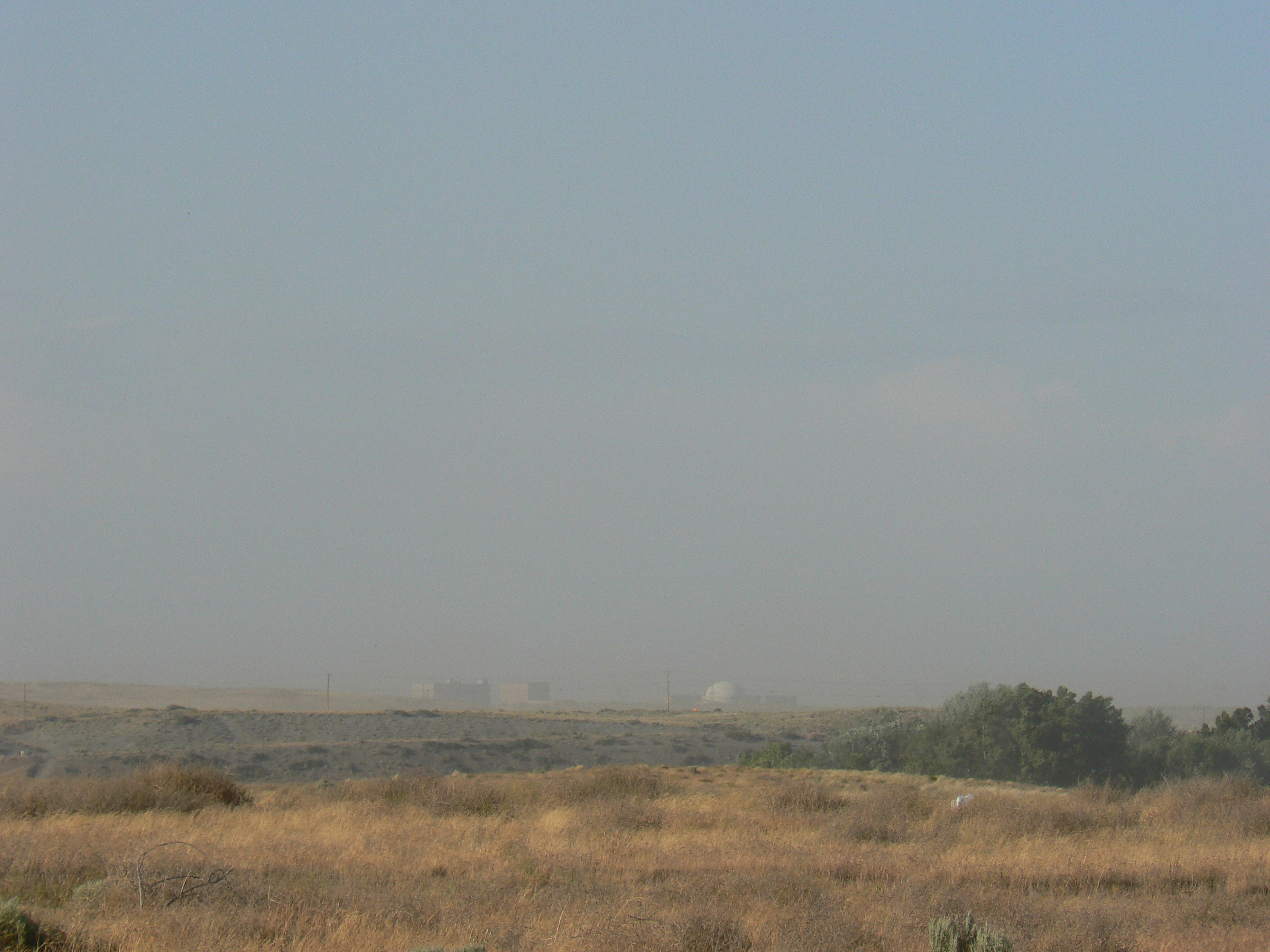
Hanford, Washington
The plutonium for the Nagasaki bomb was created on the Columbia, in the former orchards of Richland,White Cliffs and Hanford, in dust storms much like this. The storms were called Termination Winds, because they made armies of new workers get back on the bus and leave town as soon as they arrived.
On the other hand, here is an example of what can happen when a technological culture is replaced by a horticultural one:
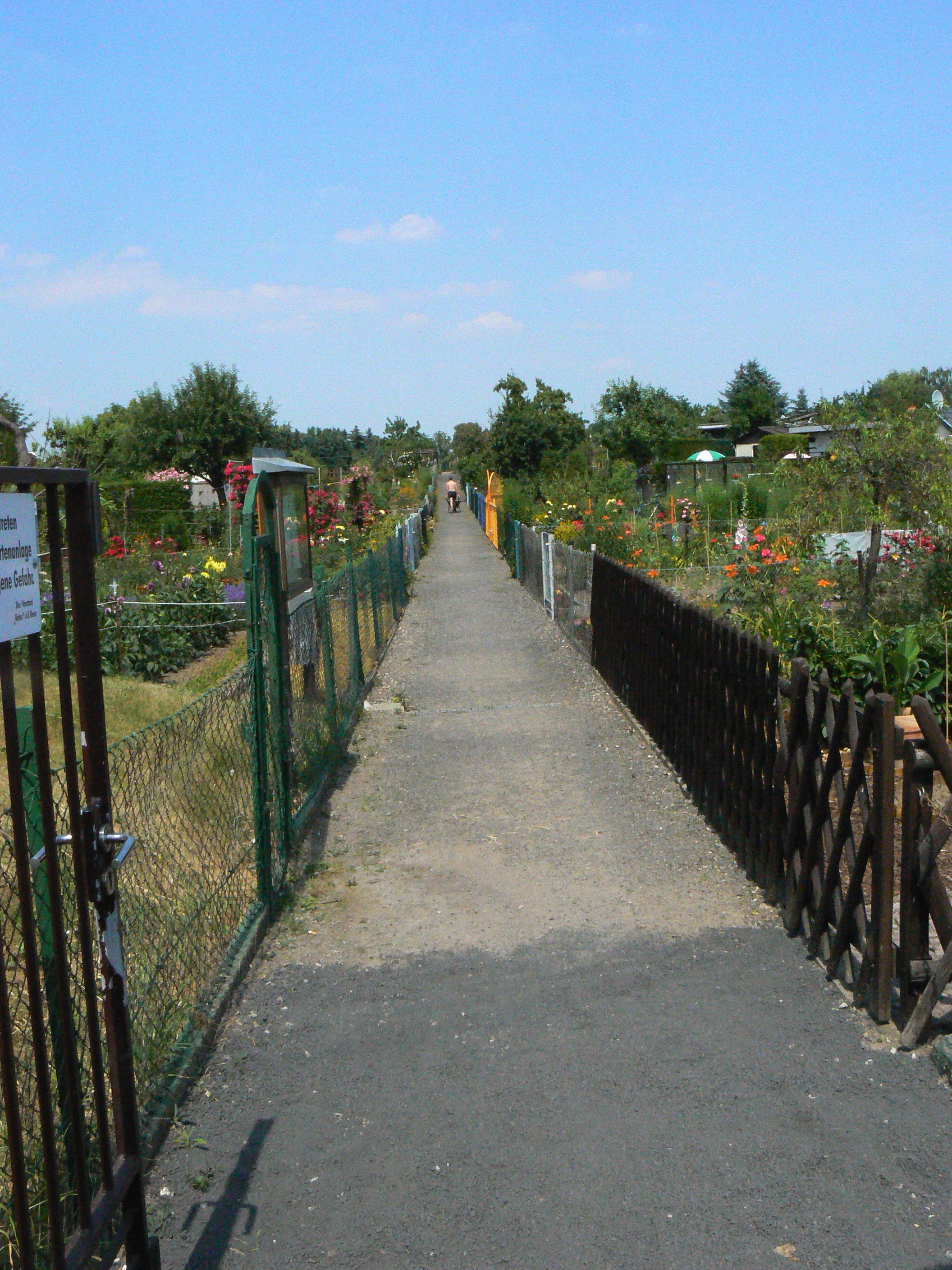 Garden Colony, Riesa (Former East Germany)
Garden clubs saw Germany through two world wars. By the end of the unsustainable experiment in industrialization that was the East German State, 55% of the country’s vegetable production, 85% of its fruit production, the bulk of its recreation, and a big dose of its political opposition came from garden clubs such as this. To a Western Eye it appears as an exercise in communist organization. In fact, it was a bastion of individuality in a sea of conformity. The movement began in early 19th century Leipzig, with a pastor who desired to feed the urban young, and give them the opportunity to grow food for themselves on the edge of sports fields.
I am thankful we have a food bank to correct our land planning and food distribution problems, but it’s troubling that this productive land in Vernon lies abandoned, waiting, presumably, for housing development, without land being devoted to sustaining the population that will move into it.
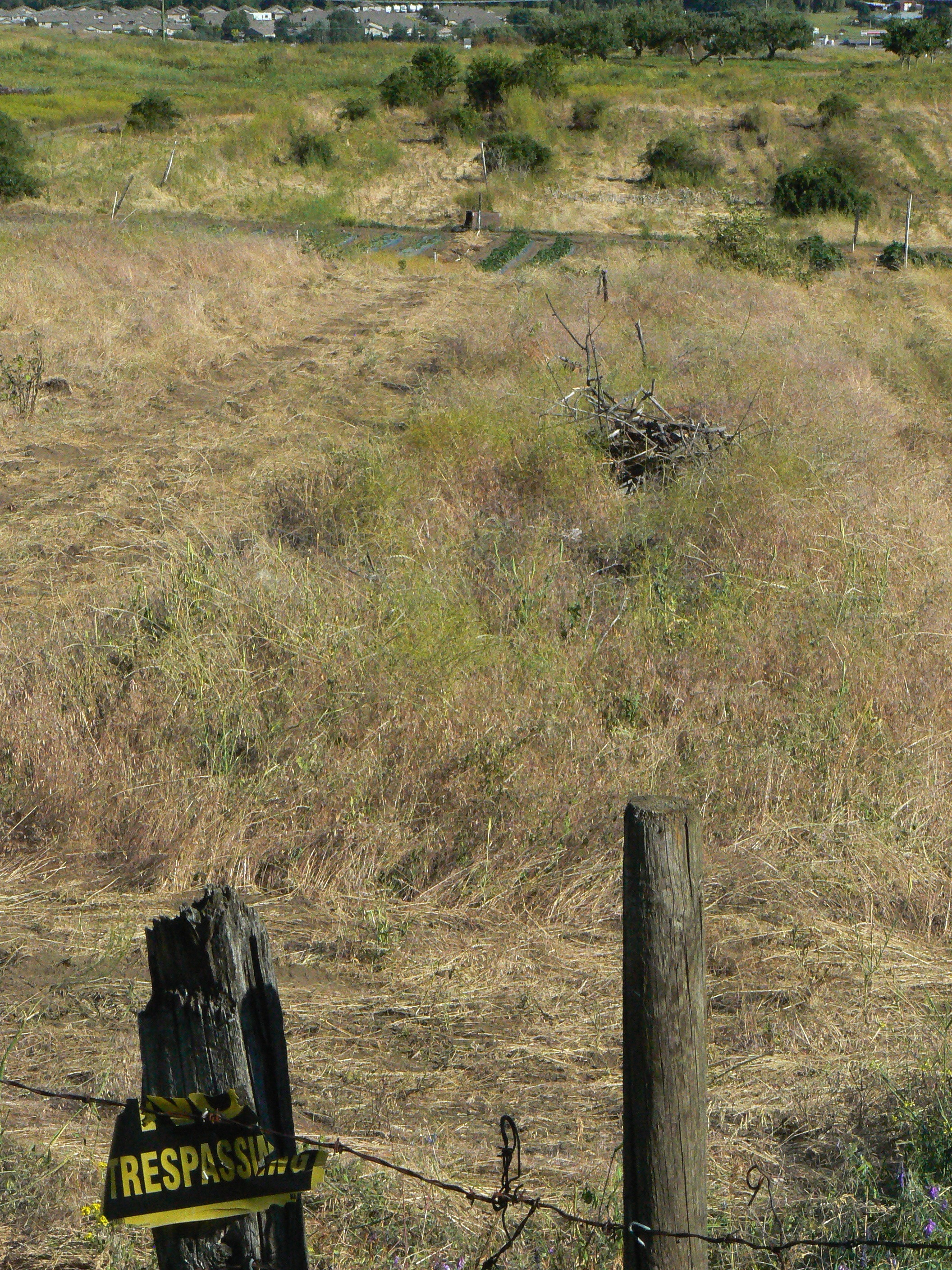 Abandoned Orchard in Vernon
Land that used to feed people is now left to house people.
Industrial development is a good thing. It doesn’t have to come at the price of our ability to feed ourselves in our communities. Just ask the people of East Germany, who found individuality in their collective strength. They brought the walls down.
Categories: Agriculture, Industry, Land


 Okanagan Okanogan