


I have been following the story of the development of the Pacific Northwest as a local story. That’s to say, one that includes all of the region’s people. It’s who we are today, and we got here by being exactly that, people all here together. Up to this point, I have followed how Indigenous alliances, empire-building and slave-taking warfare profoundly shaped the Pacific Northwest before the 19th century — that is, before Europeans arrived in it — and how the breaching of the Blackfoot mountain barriers by Europeans and Americans, coupled with the arrival of Catholic Iroquois from Montreal, led to a war in Assiniboia, a firefight at Pierre’s Hole in 1832 and the eventual unravelling of Indigenous power, the foundation of the region’s identity, for a century and a half. In concert with the directing forces of the land’s energy itself, the struggles in this imperial battle have led to the identity of the region today.
A Meeting of Mythologies
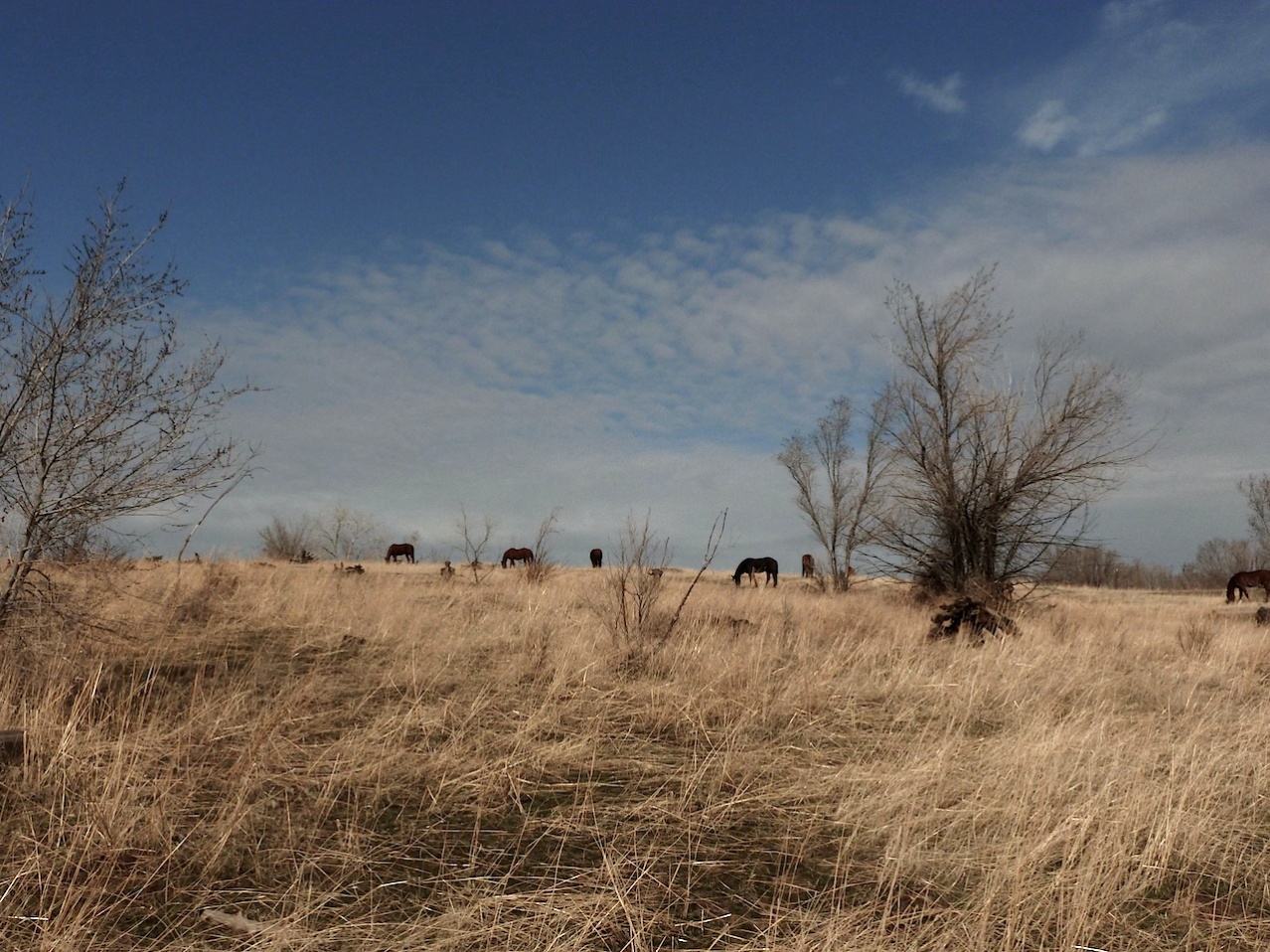
Abandoned orchard, “wild” horses, weeds and irradiated soil in Kiona. Three centuries of dreams of paradise and power at the edge of the American experiment.
The region is known as Cascadia today, a bioregion exerting itself through the palette now given it. The catastrophe of the unravelling of both Christian and Indigenous dreams that is a major thread of the human manifestation of its energies was, to be perfectly frank, intimately supported by and opposed by Christian missions. That is, they both fought for and against the land’s people, and both for and against settlers. None of these groups were homogenous, and they certainly haven’t become moreso today.
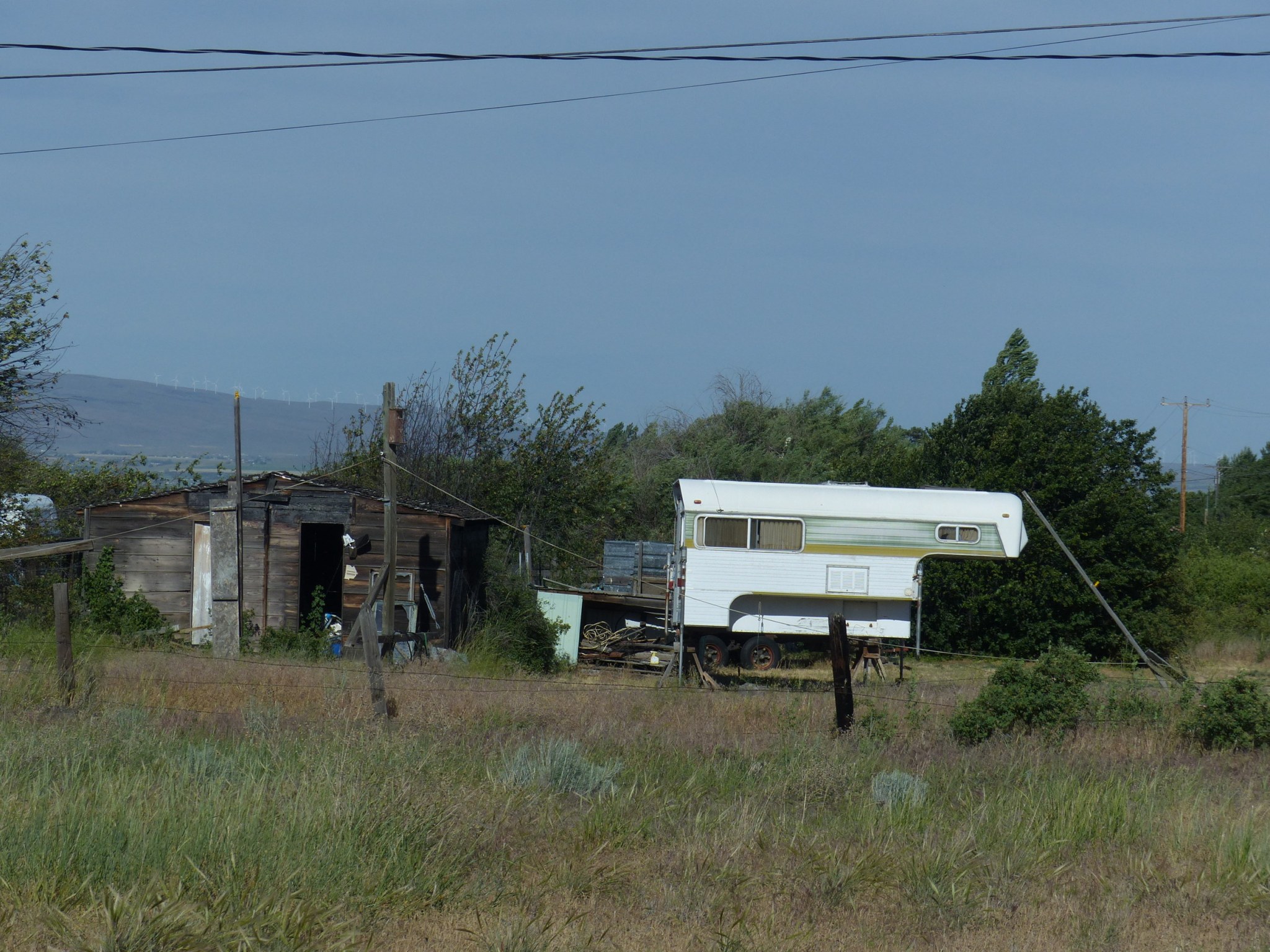
Site of Fr. Pandosy’s Catholic Mission on Mnassatas Creek
An illegal settlement that became a war site and a prize that helped finance the survival of the Catholic Church in Cascadia and led to the projection of American power into central Cascadia (in what is known today as Kelowna, British Columbia), St. Mary’s Mission still displays the ragtag projections and incursions of power it always had, as well as the blindness of histories of the region not rooted in its own stories.
Compare this mission site to the one in Willamette that its sacrifice helped fund:

St. Paul’s Mission in French Prairie
The disparity in power and remembrance says a lot, much of it racial.
Missions in the region were Anglican, Catholic, Presbyterian, Baptist and Methodist. Their naive compromises with power in the emerging anarchic cultures immortalized in the mythologies of the Wild West led to cultural collapse everywhere, especially visible through disasters in California, the Walla Walla Valley, the Yakama Valley, and in my home valleys, the Okanagan and Similkameen country, as the disaster came late there and remains active, as treaties, even mangled ones, were never made.

A Cow in the Grassland It and Its Mothers and Grandmothers Have Ruined
A story of the erosion of the land’s capacity rather than its increase. Vernon, British Columbia
The Anglican experience led to the sons of Pacific Northwest chiefs travelling to Assiniboia, at the heart of the continent, to gain the spiritual power to protect their tribes against incursion. I have covered the story here.

The First and Last of the Boys, Slough-Keetcha, in Old Age
Spokane Chief Garry (1811?-1892), 1892
Photo by Sherman Blake, Courtesy UW Special Collections (Neg. L-93.68.10.10)
The Hudson’s Bay Company’s educational activities also lead to the inadvertent, or at least careless, deaths of many Indigenous children (a consequence of residential schooling shared by the crowding and medical ignorance or disregard of most missions), as well as to the creation of Chinook Wawa, the language that allowed people to come together in this region, yet then lead to mistranslation, misunderstanding and war. That story, I have covered here:

The Hudson’s Bay Company School at Fort Vancouver
The compromises of the 1830s led to disaster in the 1840s and 1850s, still not resolved today. We’re still living in a fragile truce. Specifically, Christian evangelizing lead to murder in California, then war in the Walla Walla, followed by war in the Yakama Country and the loss of land and children in central Cascadia. Such stories are not unique to this region, but this is my home. The stories live on here and for the sake of all the people, human and otherwise, and the land itself, need to be addressed here if we are to find a way forward to increased social and environmental wealth. Protest is not enough, as it assumes power at a distance. That’s certainly part of the Cascadian story, but in the search for a mature history, I propose to follow the missionaries, one by one, to show their effects on the territory. This is, after all, our history, not a Canadian or American one. Hopefully, the difference will become clear as we go. To begin, a little sketch of the territory ahead (this is a select list, to illustrate the path to war):
Jason Lee
Long the darling of the American Foreign Missions Society, Jason Lee sucked up nearly all the missionary donations of American churches to, ultimately, establish a post fur-trade commercial culture in Oregon and convert one man, Toayanu, whose martyrdom at the confluence of the end of slaving in the the Spanish West and the beginning of mass settlement among anarchic gold miners in the Americanized West led to war. Lee had hope that by transferring to missionizing among the Americans, he could eventually convert both them and Indigenous peoples to the spiritual benefits of organized citizenship. The hopes remain universally unproven. It’s still up to us.

Father Desmet’s Flathead Mission, Early 1840s
Marcus and Narcissa Whitman
Arriving in the west with the Rendezvous trade detailed in previous posts on Pierre’s Hole (look to the list of posts on the right for links), the Whitmans’ failures, tragedies and frustrations throughout the 1830s and 1840s laid the ground for American settlement and wars as much manipulations of the US government as Indigenous genocides. Their martyrdom is intimately connected with the tragedy of the Cayuse at Sutter’s Mill. This naive understanding of spirituality as a purely social phenomena was not unique to the Whitmans. It was, however, tragic.
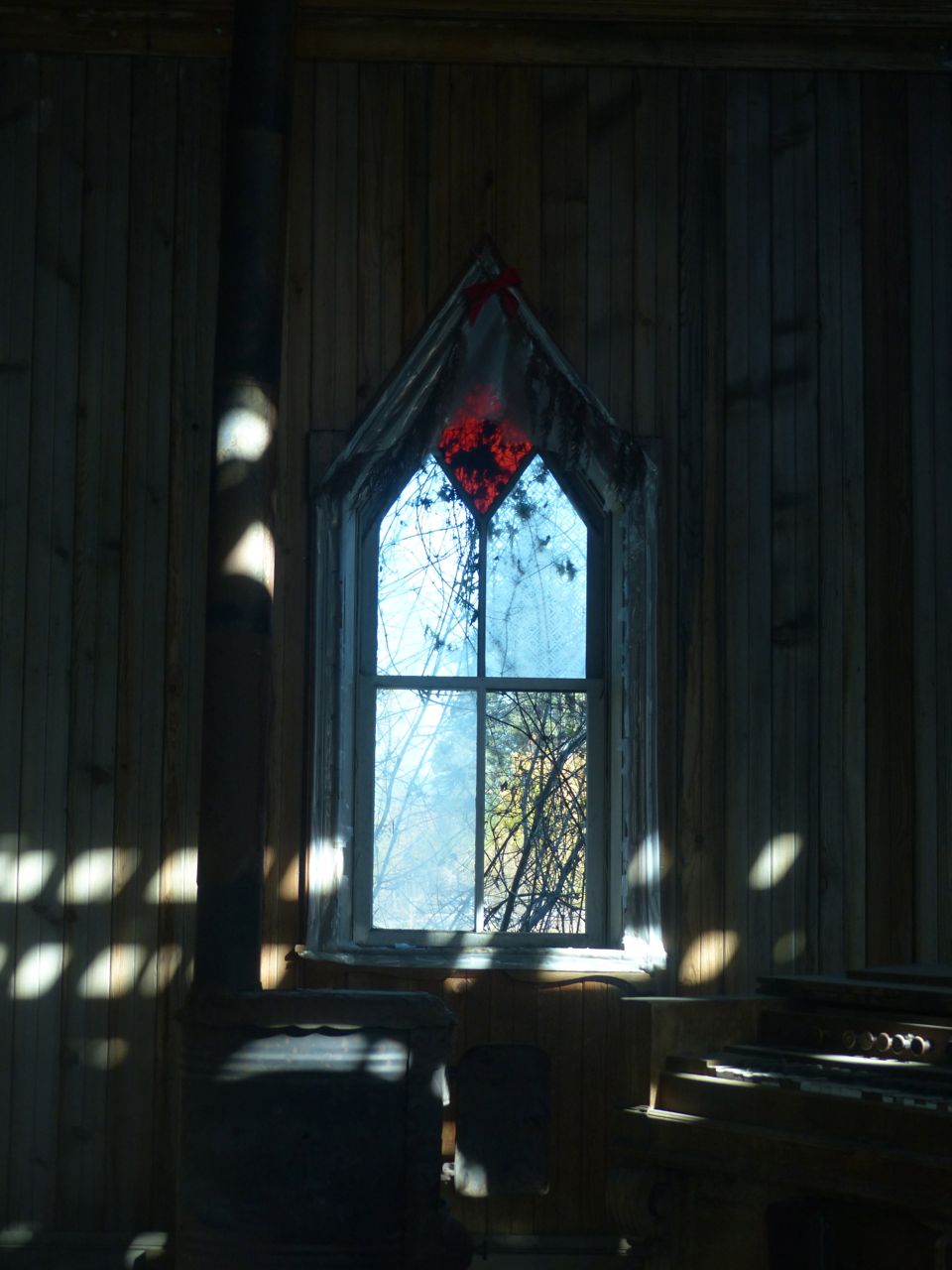
Abandoned Catholic Church, Head of the Lake

Jason Lee’s Wallamut Mission
Note how this mission (as did all) relied first on the erection of buildings, rather than integration into Cascadian life. Such primary decisions have had enormous consequences.
Father Desmet
Answering an Iroquois call to provide Christian teaching to the Salish, Iroquois and Nimiípuu of eastern Cascadia, by following the Rendezvous system west, Desmet failed to appreciate the vital difference between creating permanent intermediary buffers between Indigenous and European powers and “saving souls” for the Catholic Church. This naive understanding of spirituality stripped of social embodiment was not unique to Desmet. It was, however, tragic.

American Progress by John Gast
Columbia strings telegraph cables across the continent, thanks to Marcus Whitman’s and Jason Lee’s transferal of missionary work onto American interests.
Father Nobili and the Blanchets
Travelling north with HBC spring pack trains in the 1840s, early Catholic missionaries to the British Columbia laid the ground for permanent missions in the 1850s and 1860s, while demonstrating the weakness of the church in anarchic society. The ground they laid, however, was compromised by conflicting demands of Canadian and Indigenous communities in HBC trading territory. These compromises, among others, led to a Catholicism of social forms but little substance. The forms remained in settler culture, including catholicized Indigenous communities. The spiritual substance remained (and remains) week.
Father Pandosy
Pandosy arrived late in 1847 and was one of the first Euro-Americans to hear of the massacre of the Whitmans, as a consequence of the killing of Toayanu at Sutter’s Mill. Eventually, his complicated relationship to the Yakama (he served both as a diplomatic slave to chiefs Owhi and Kamiakin and a US Army Chaplain) made him an outcast to the US Army, the Syilx people and the Catholic Church in French Prairie. Instead, his efforts to settle French Canadian Métis families orphaned in Oregon and Washington by racial administrations became a symbol of White settlement in Central Cascadia (rather than the métis settlement it really was.)
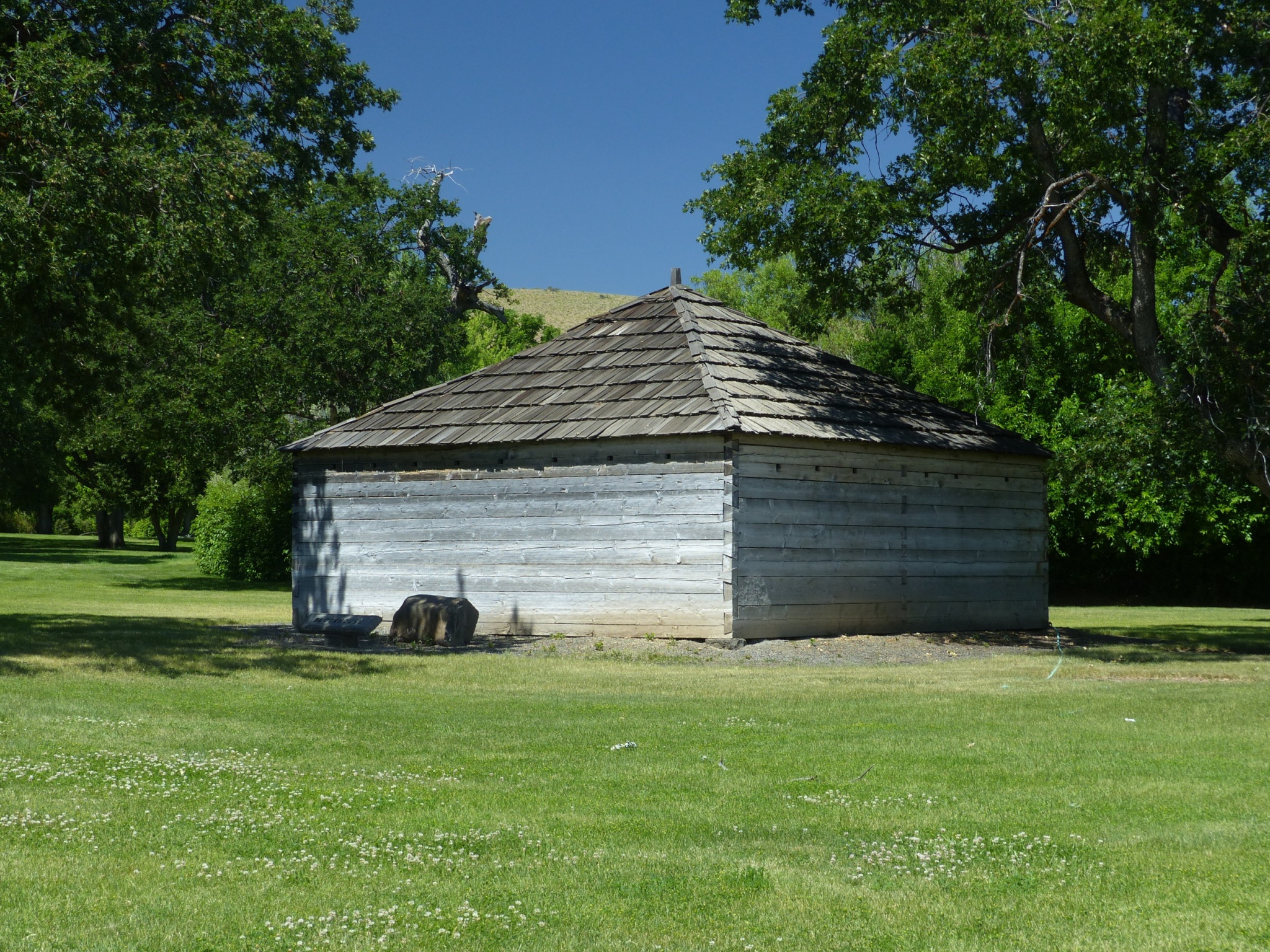
One of the US Army firing posts at Mool Mool. Not a church.
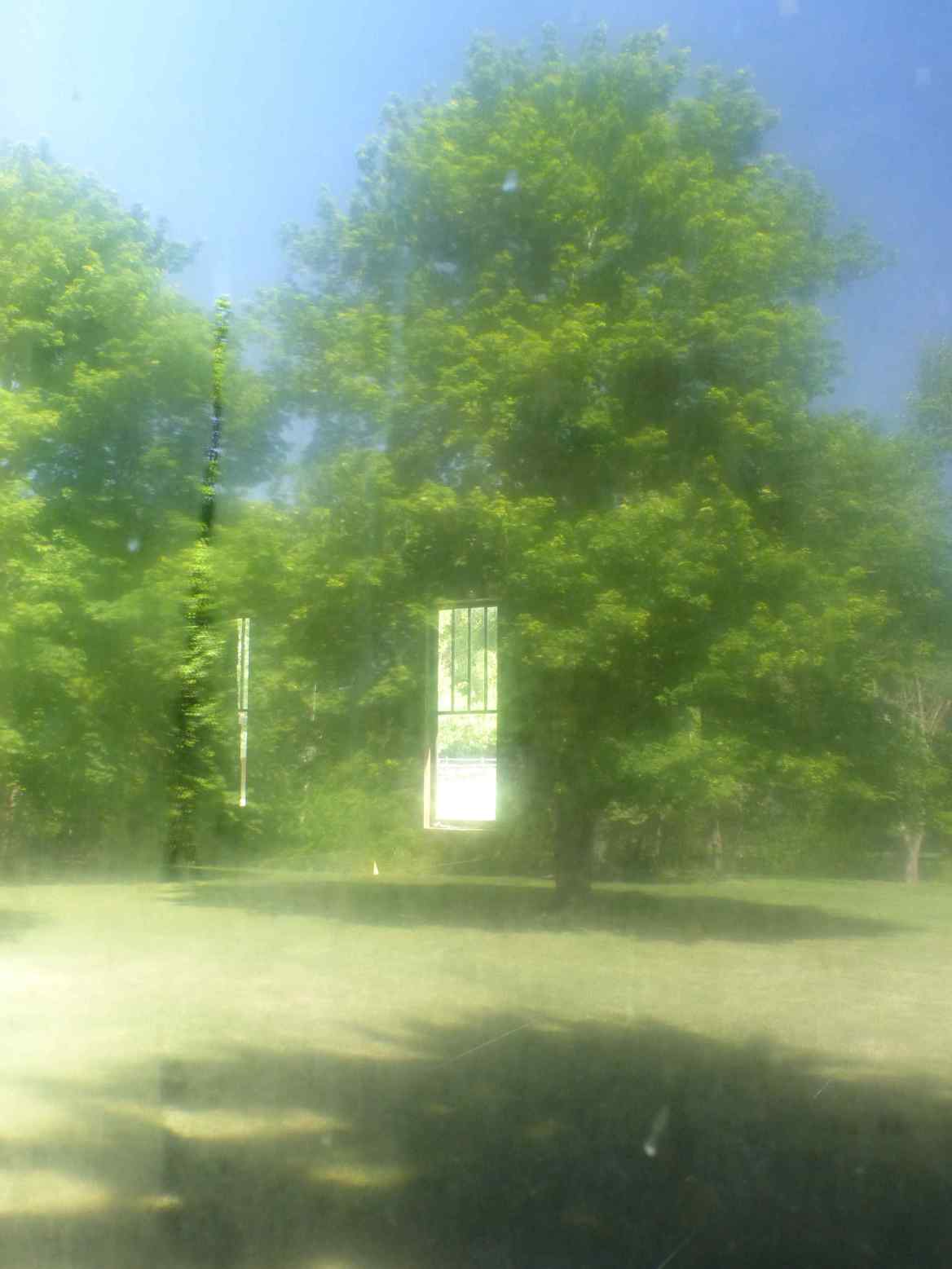
Pandosy’s Rebuilt Ahtanum Mission
Like Pandosy himself, it was one of the main targets of the 1855 Yakima War. The reason: Pandosy was advocating for peace and translating for Yakama chief Kamiakin. In the minds of the southern vigilantes acting as volunteers in the US Army, this made him a racial traitor. Pandosy escaped with Owhi on a tragic exodus through a winter flood on the Columbia. The torched mission was rebuilt by the Yakama in 1868, as a counter to the US Army presence at Chief Kamiakin’s other camp, at Mool Mool.
That’s the outline for our work this month. It does, however, take place in a context, one largely ignored in humanist histories, but not less significant for that.
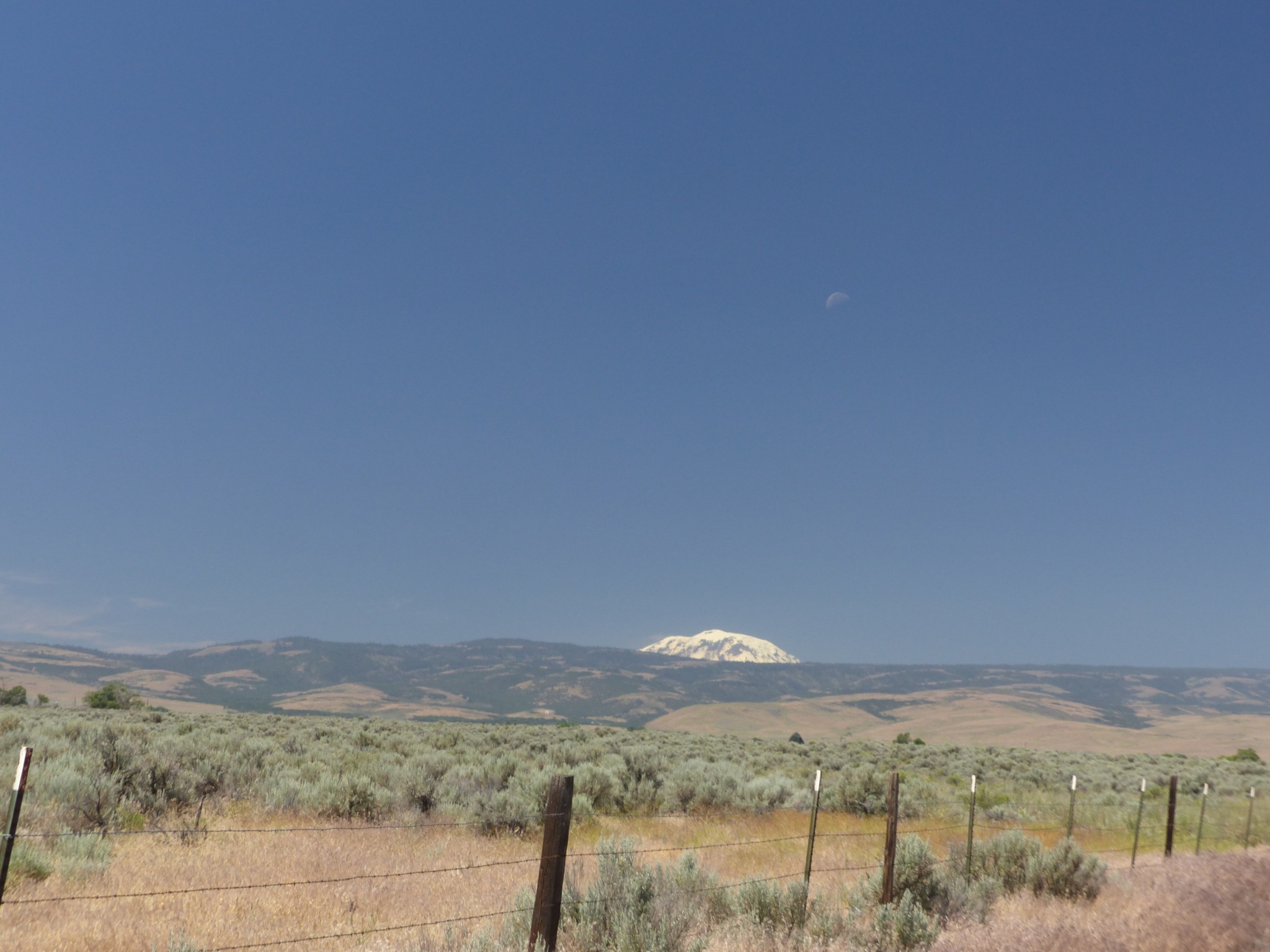
The Ancestor Pahto at the Head of the Yakima Valley
All these stories are written on the land, just as the land writes herself on them all. Because it is respectful to place our stories within the land’s and her people’s, in the next post I will show you my home in this land. Hopefully, it will help us stay anchored to the land as this history unfolds, even as the challenge it gives to us to rebuild its voice, in its own language, remains.

Mool Mool
A spring, not a mission and not a blockhouse.
It is time for the real work.
Categories: history, Nature Photography, Pacific Northwest, Spirit

 Okanagan Okanogan