




I talked about Pierre’s Hole a while back, but I was too quick about it. Here’s a slower introduction to the fall of the Old West. I’ll start with material I looked at before, and weave new material in, at first lightly, and then with increasing strength. I had it wrong, largely because the software that allows me to make this blog was beginning to abbreviate the history by limiting how many images I could use. As I started to use more, it became impossible to impose anything, and I started to lose clarity. I’m going to tell it again now, more slowly. Hopefully we can defeat that technological bias. To get started, here’s an image, purportedly of Pierre’s Hole:
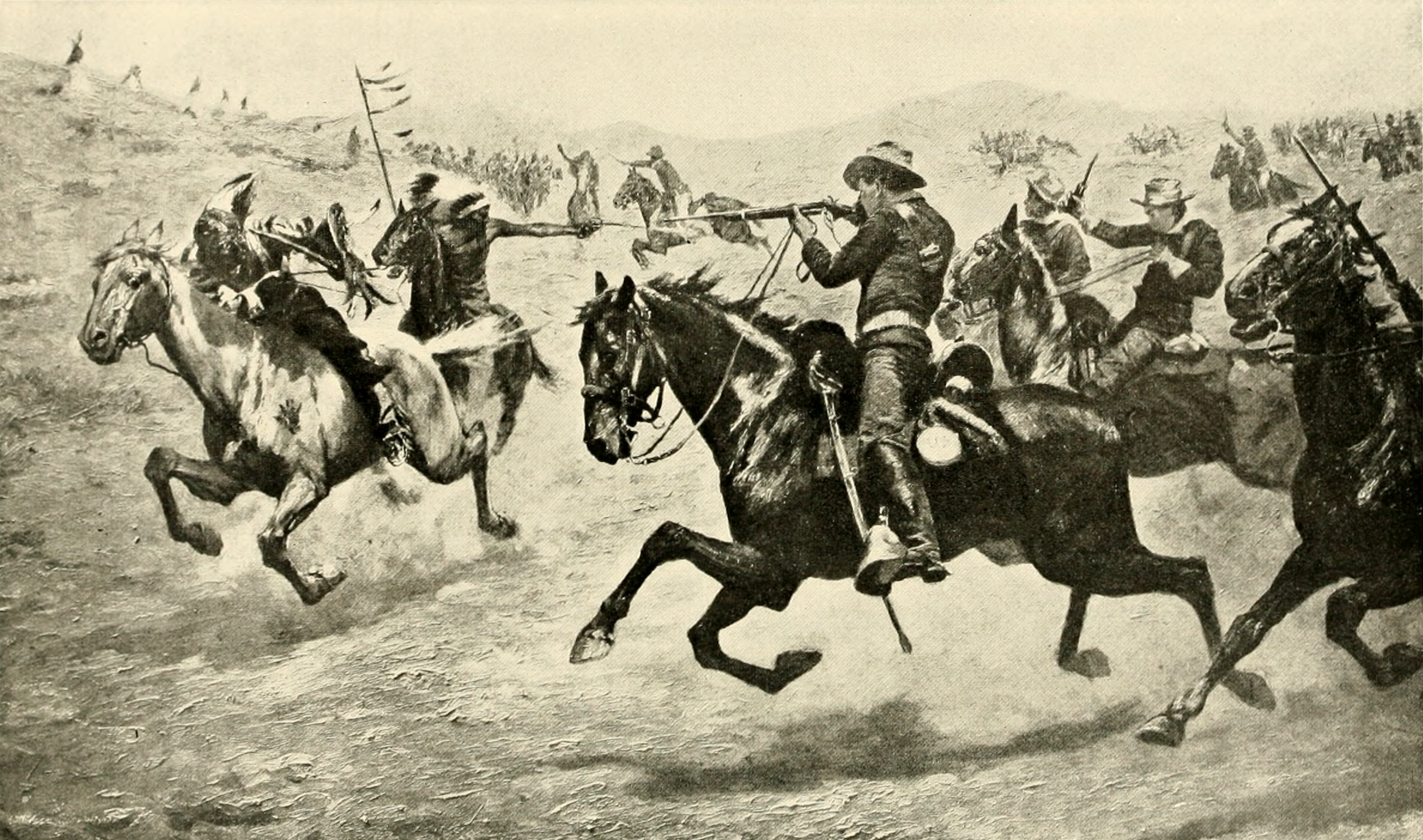
The Battle of Pierre’s Hole
Image from Joseph Gaston’s Centennial History of Oregon. Before 1910. Artist unknown. Source.
There’s no report of the battle that says it looked like that, which makes the image an invaluable touchstone of American nationalist myth-making, but first, of course, what is Pierre’s Hole? Well, this:

It was named in the days when a man could have his own country, but only for a little while. In itself, a hole is a haunt, a place to “hole up”, the place a wild animal retreats to for safety, or as dictionary.com says:

Like this marmot:
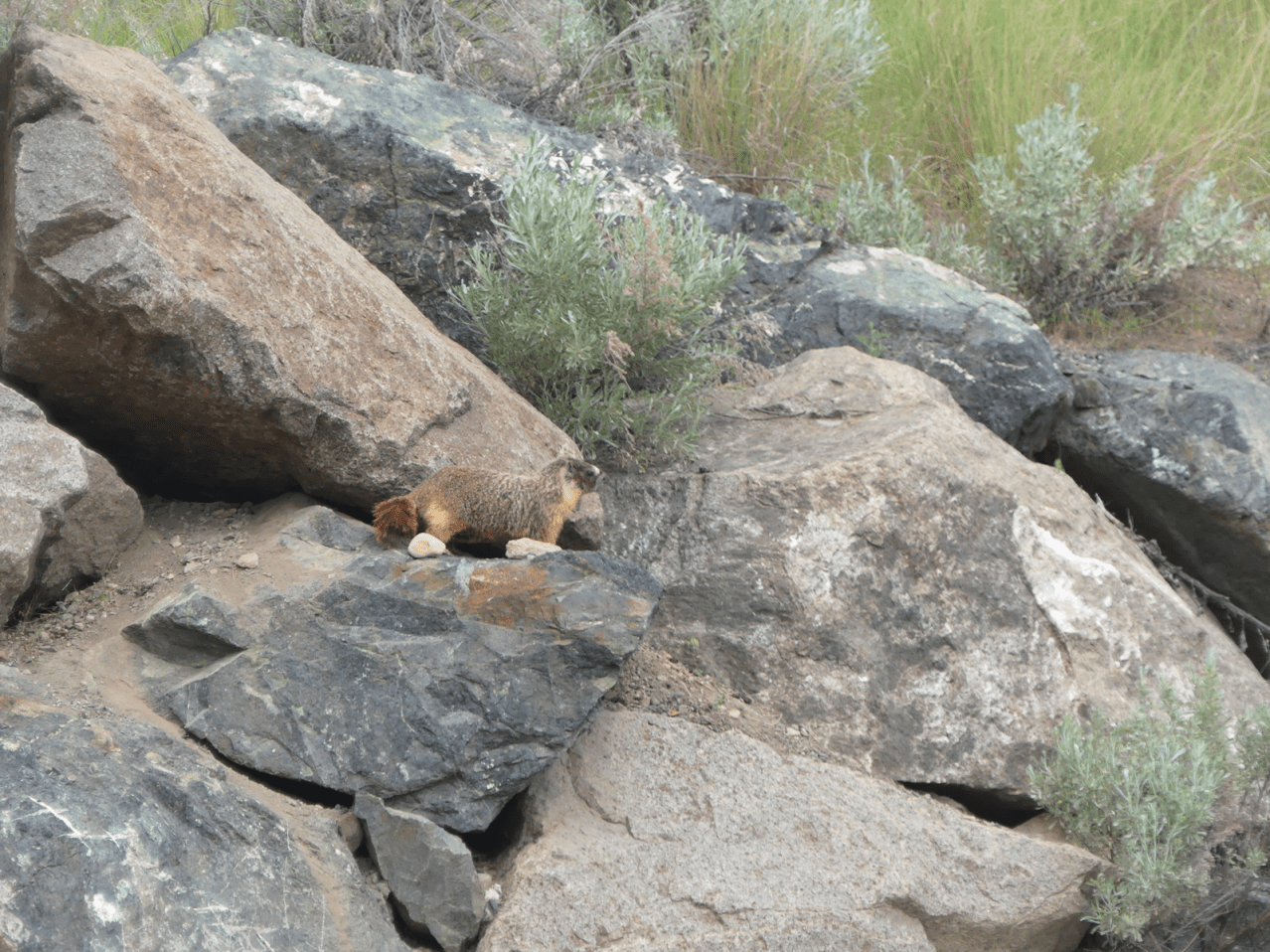
A Marmot and His Hole, Vernon, British Columbia. Photo by Harold Rhenisch
Or a man, like Pierre Tevanitagon, an Iroquois from Kahanawake.
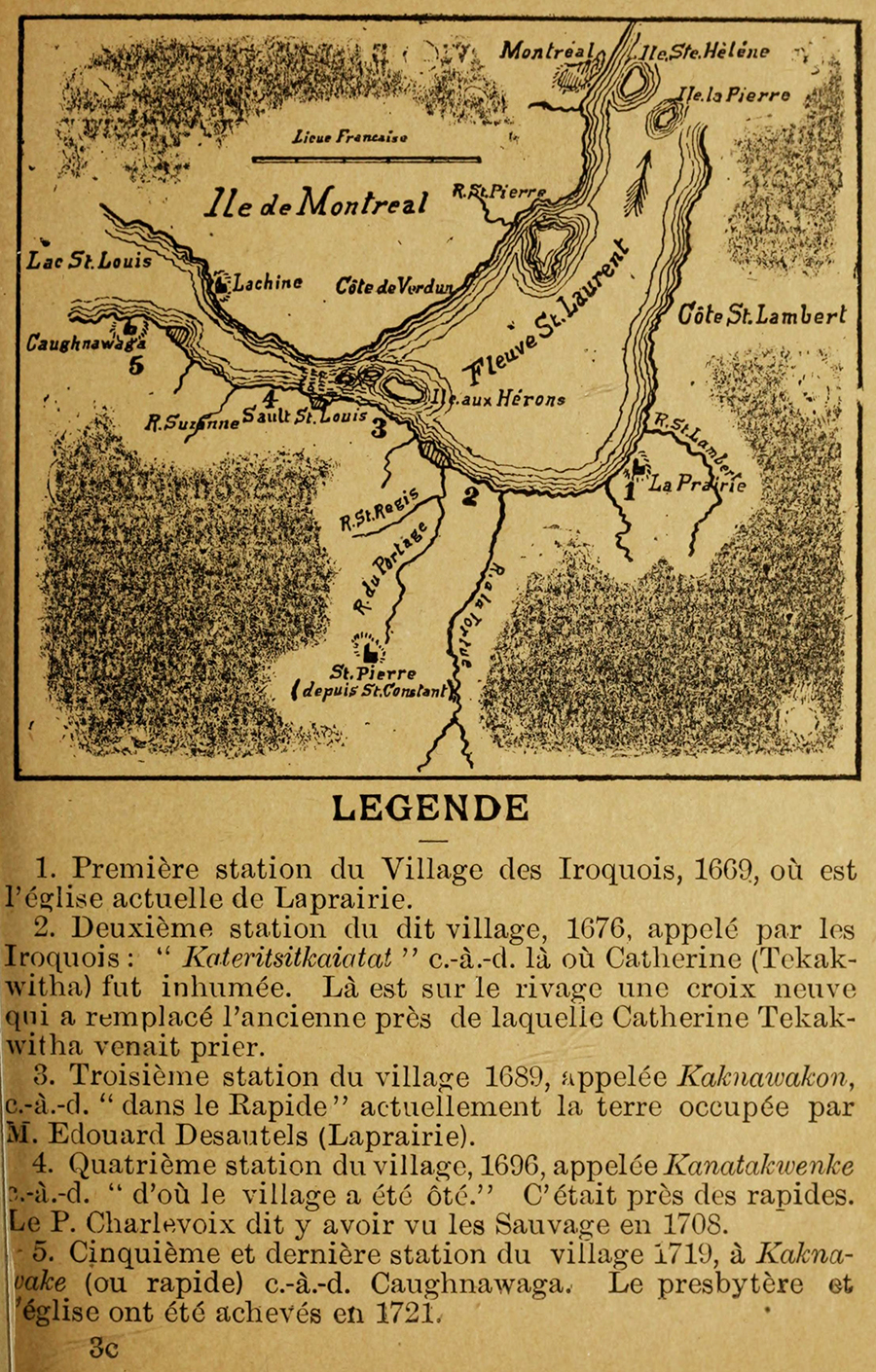
Kahnawake (Caughnawga, 6. above). After 1716. Source
Kahnawake was a Christianized Indigenous nation across the river from Montreal, accepted fully by neither White nor Indigenous societies but providing useful bridges between them, especially by manning the canoes that carried the fur trade across the continent and, earlier, by brokering a slave trade in Fox and Shoshone children between the Sioux and the French. More here: To refresh, the slave trade in New France, please go here.

Kahnawake Getting New Steps Out of the Mud in 1860. Source
We’re on our way to Pierre’s Hole, where the Iroquois took part in trade in a culture that bridged white and Indigenous societies.

I wouldn’t dismiss the Catholic symbolism of the three peaks as part of Pierre’s choice.
To get your own country like this in the early 1800s, back when the world started to have designs on Cascadia, a good plan was to negotiate the social territory between Indigenous and Euro-American expeditions in the Rocky Mountains, a zone kept neutral by force. For a long time, the force was not European. Much of this force was Sioux, and some of it was Iroquois. More on that here. Some of it was Blackfoot, too, as I document here. To that history of Raven’s prophecies of the coming of the whites to Cascadia and the end of the world as people knew it, I’d like now to add a new piece of information. Look at this guy:
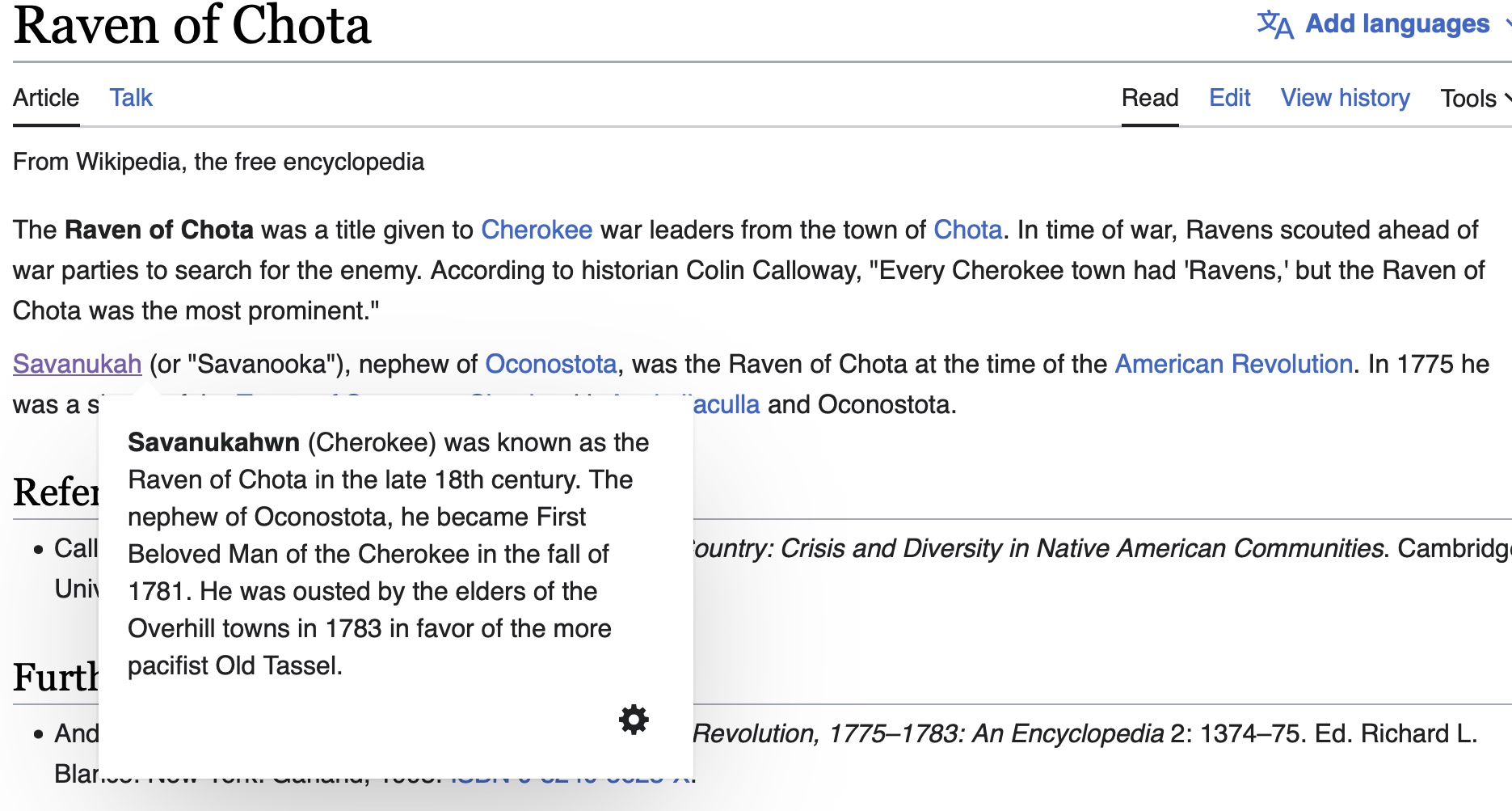
Savanukahwn, A Cherokee Chief
Note how closely his role, history and dates correspond to the spiritual warnings from warnings mentioned above. I couldn’t track this any further, but am tantalized, especially given how very similar warnings came from the (likely) mixed blood Delaware man Joe Lewis at the Whitman Mission in 1847, with terrible and immediate consequences. What’s more, the Delaware are an Alqonquin people, now living in Quebec but with roots far to the south and west, and a shared history with the equally displaced Iroquois of Kahnawake.
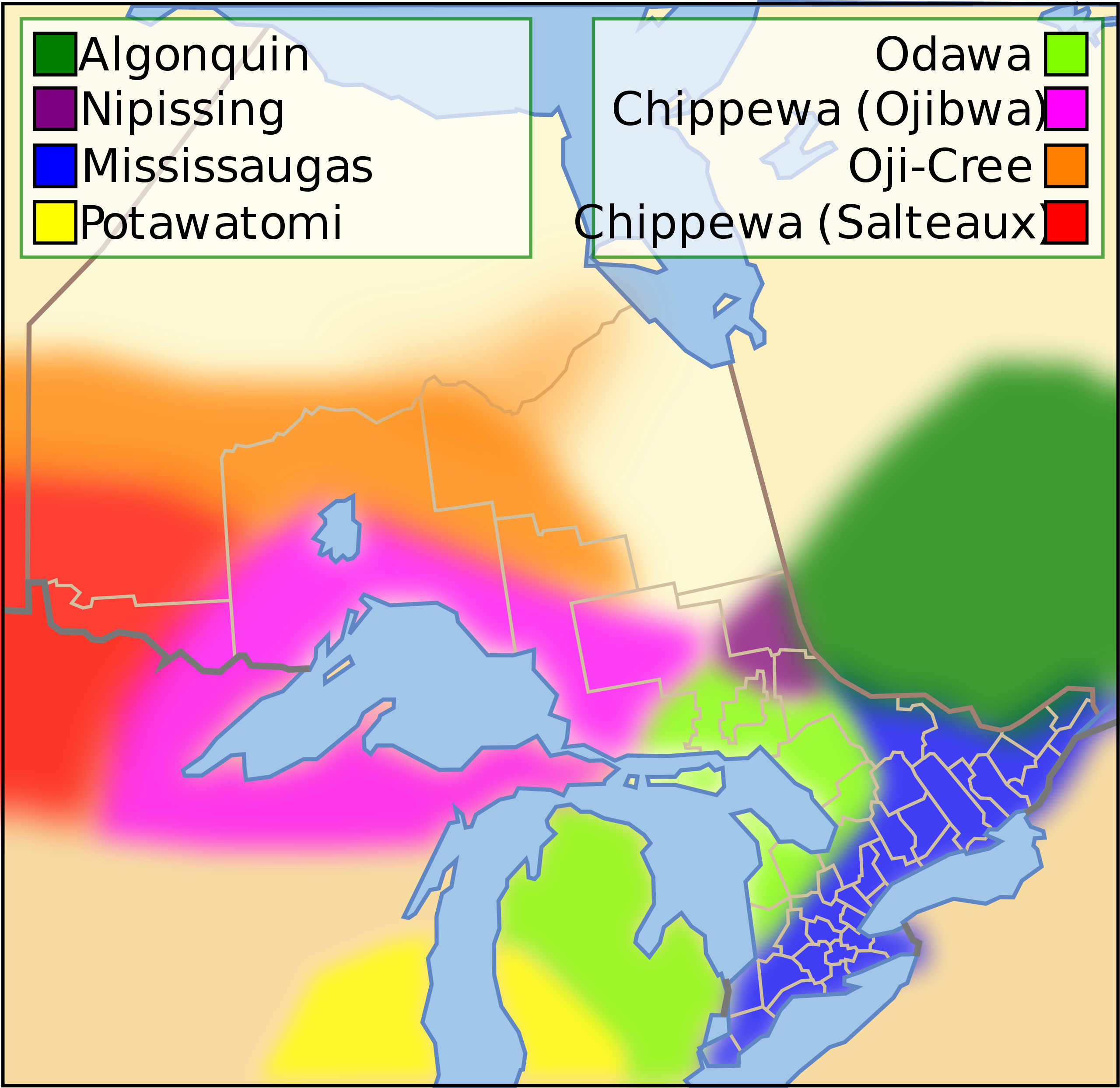
The Alqonquin and Their Relatives, c. 1800.
The Iroquois traversed all this country.
It is all suggestive, but elusive. Iroquois connections to Cascadia are clearer, whether Cherokee, Delaware or Alqonquin histories are related to them in the Cascadia or not. As people between cultures (like the Scots Cherokee or the Red River Métis) after the American Revolution the Iroquois maintained themselves economically as brokers by breaking another monopoly, in this case prices set for furs by (first) the French government and (second) the British occupying government in Montreal. In other words, they successfully used their ambiguous Indigenous status to divert furs to New York, undermining the British economy in their favour and maintaining the American fur industry, which they would meet again in the West. Subsidies to maintain two colonial empires, the French and the British, were thus subverted by Iroquois-Sioux and Iroquois-American black market dealings. Which is not far off from the American subversion of the Hudson’s Bay Company by luring away its Iroquois trappers, such as Pierre Tevanitagon, and their furs with free market prices. Some of that history is documented here. Much of this history is covered in a detailed overview in Jean Barman’s illuminating Iroquois in the West:
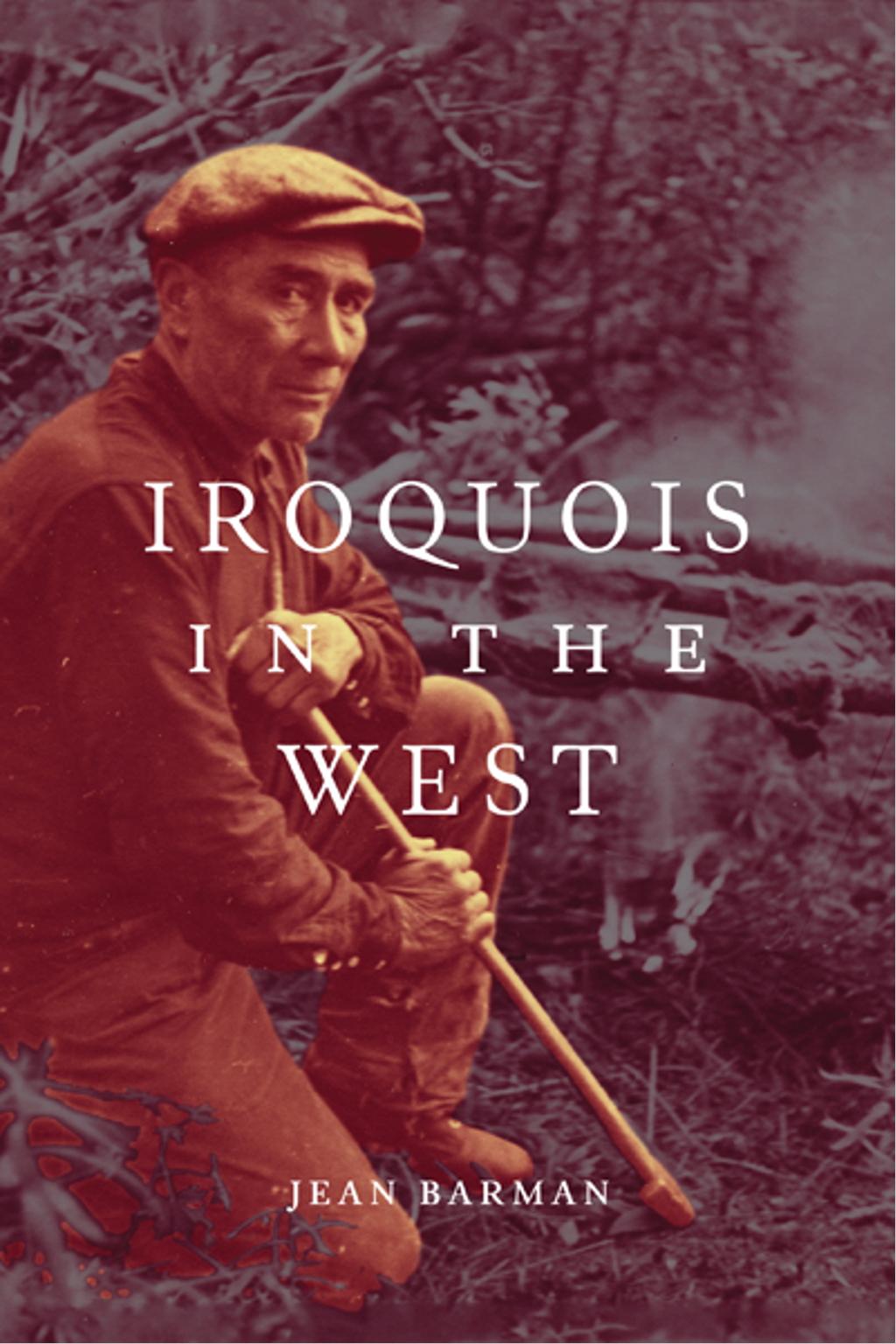
Pierre was Iroquois.
More on all this (and the Cherokee) in the next post. See you there.
Categories: First Peoples, history, Pacific Northwest

 Okanagan Okanogan

