

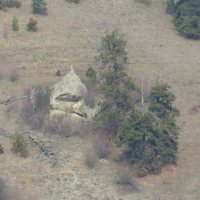


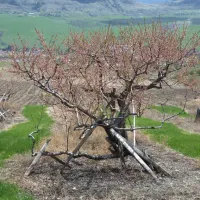

I want to show you something amazing. This is the bunchgrass that made the West, and these are the deer that graze it. The grass looks brown, but that’s just the water-gathering stalks from last year and the year before. They keep the plant alive. The new shoots are rising, just days after the snow melted away. The deer are cropping them off. By the time settler culture gets itself off of the ski hills and gets its head wrapped around the idea of spring, the bunchgrass’s year will be over. That’s Kalamalka Lake in behind.
The grasses, as you can see, grow at a certain distance from each other. This allows their dead stalks to gather the rain and their massive root systems to spread out. Here’s a closer look…
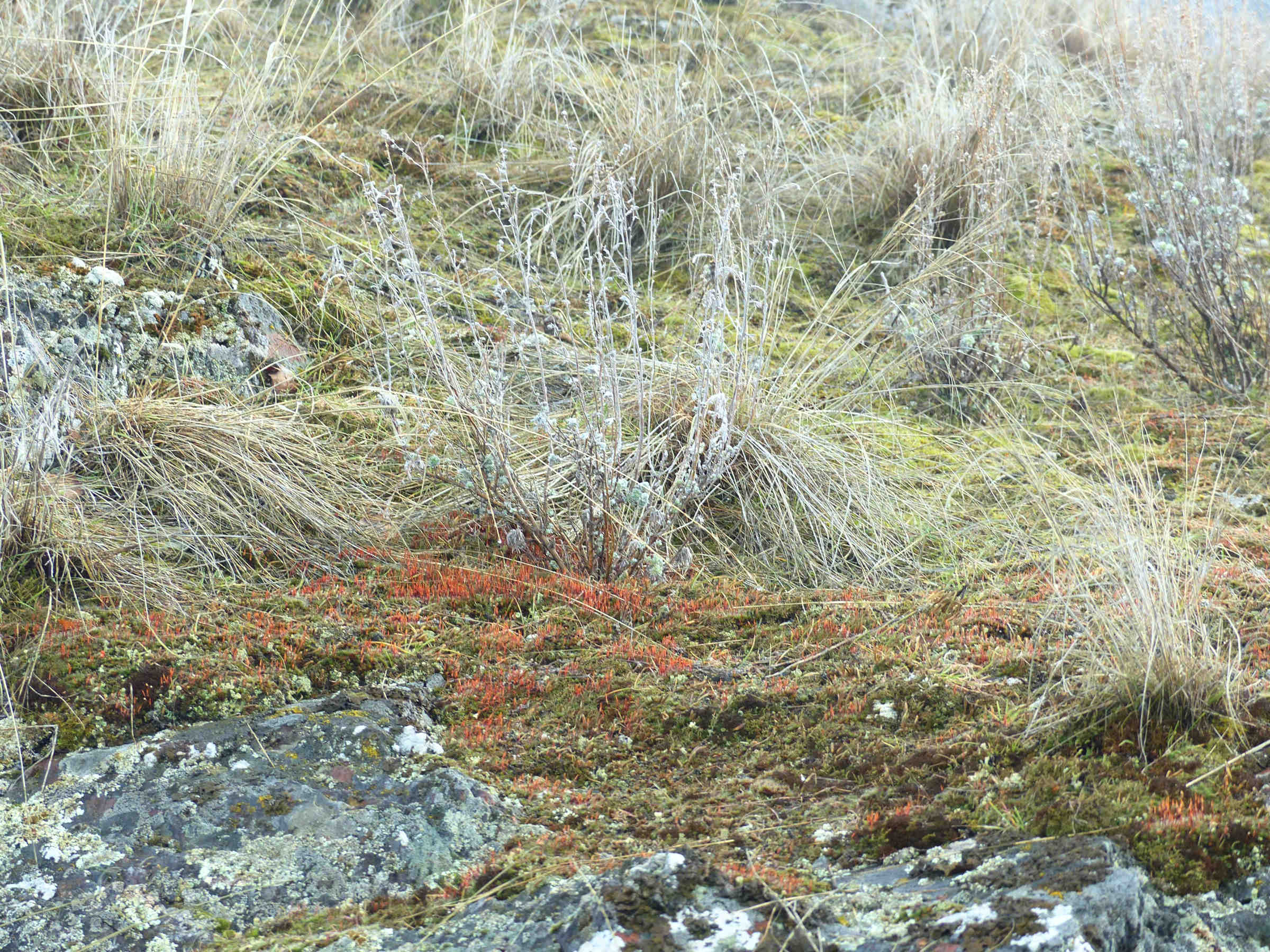
As you can see, the bunchgrass is about a half metre apart, on a grid. But what’s that between the grasses? Soil, but not just any soil. Have a closer look.

This is the microbial crust of the Intermontane Grasslands. Along with the soil beneath it, it contains about 1000 species before cubic foot, and works as the lungs of the earth, a seed plantation surface, and both a water entrapment and anti-transpiration device. Look closer.

It even grows on bare rock.
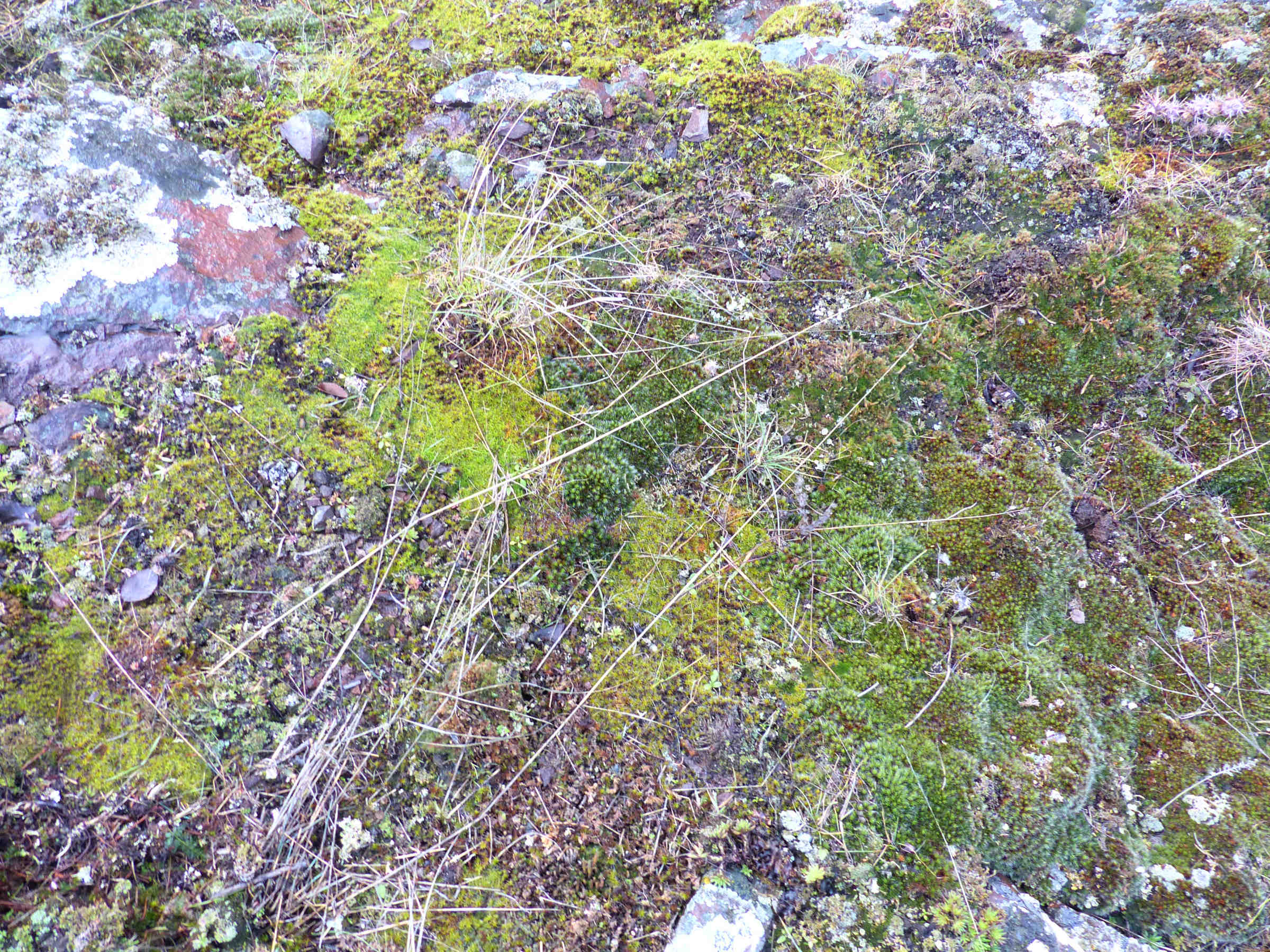
Amazing. And in the middle of so-called winter, yet.
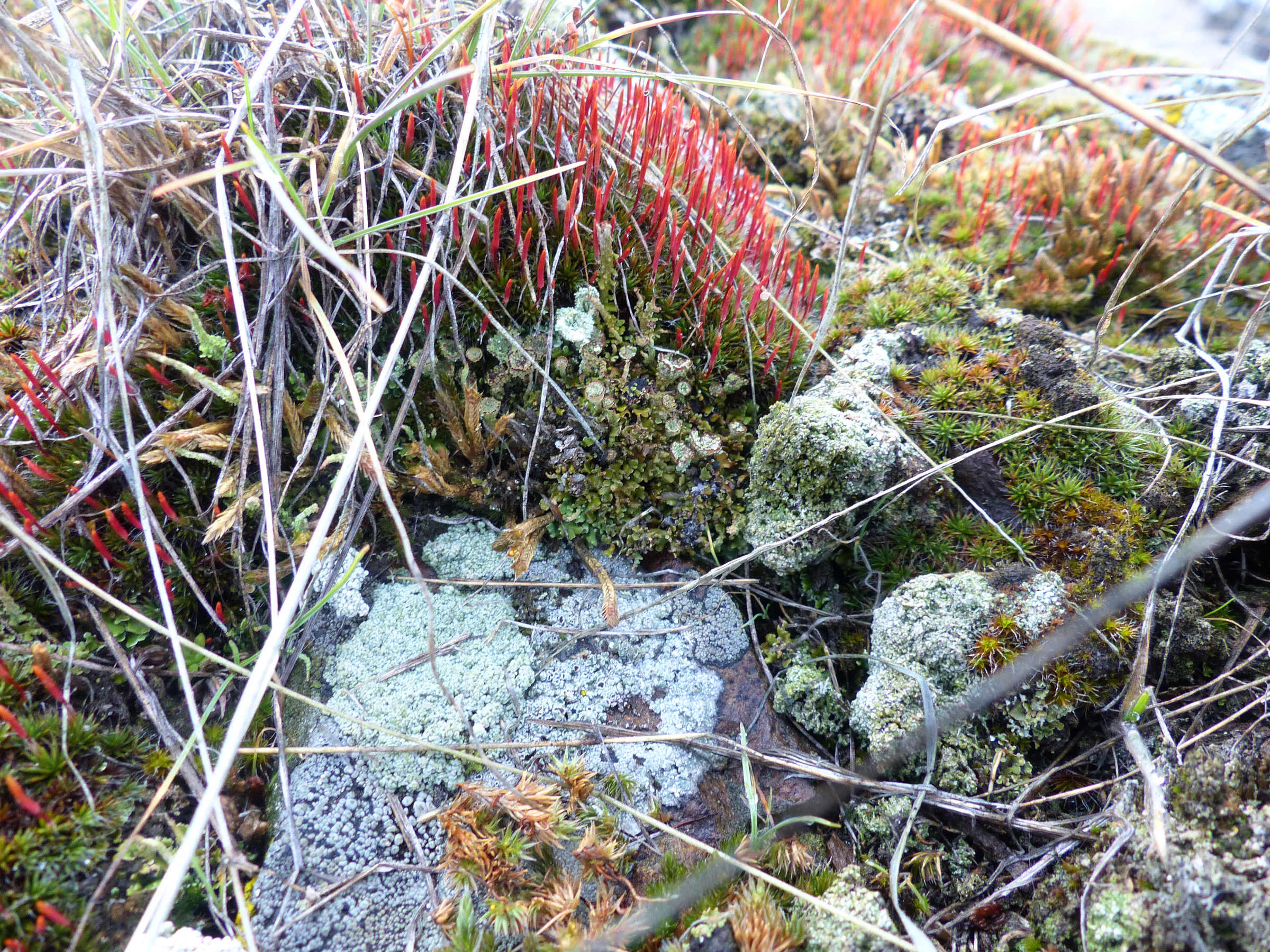
Isn’t that beautiful? Don’t let anyone tell you, ever, ever ever ever ever ever ever ever, that soil is dirt.

It doesn’t even mind the snow! (It must be like a greenhouse under there!)
Categories: Industry

 Okanagan Okanogan