




Water is mysterious stuff. So is air. Sometimes air holds up water. Sometimes water holds up air.
 But there’s something else going on. Mud.
 What you’re looking at here is the bottom of a mud puddle. It has settled, on its own, after being driven through a day or so ago. It has frozen and thawed a couple times. Look at the patterns! No person or animal has walked through this muck. Whatever is present is a record of physical forces. The mountains and craters below, too.
 The river valleys and a volcano and little bits of boulder that have settled in, probably after ice melted up above.
 Now, here’s what that looks like after 12,000 years, give or take.
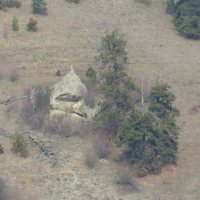
 Glacial Lake Penticton Lake Bottom The Commonage, Vernon
The cliff line marks where the bottom sediments were washed away when the ice dam holding back the lake broke.
Again? Sure. Here’s what the Okanagan Valley looked like on the day before the lake flowed away:
 Yes, these images are taken through water. (There are still 300 metres of this stuff below the floor of the lake.)
Now, to return to my initial image, a sea of water above the grasslands and the lake …
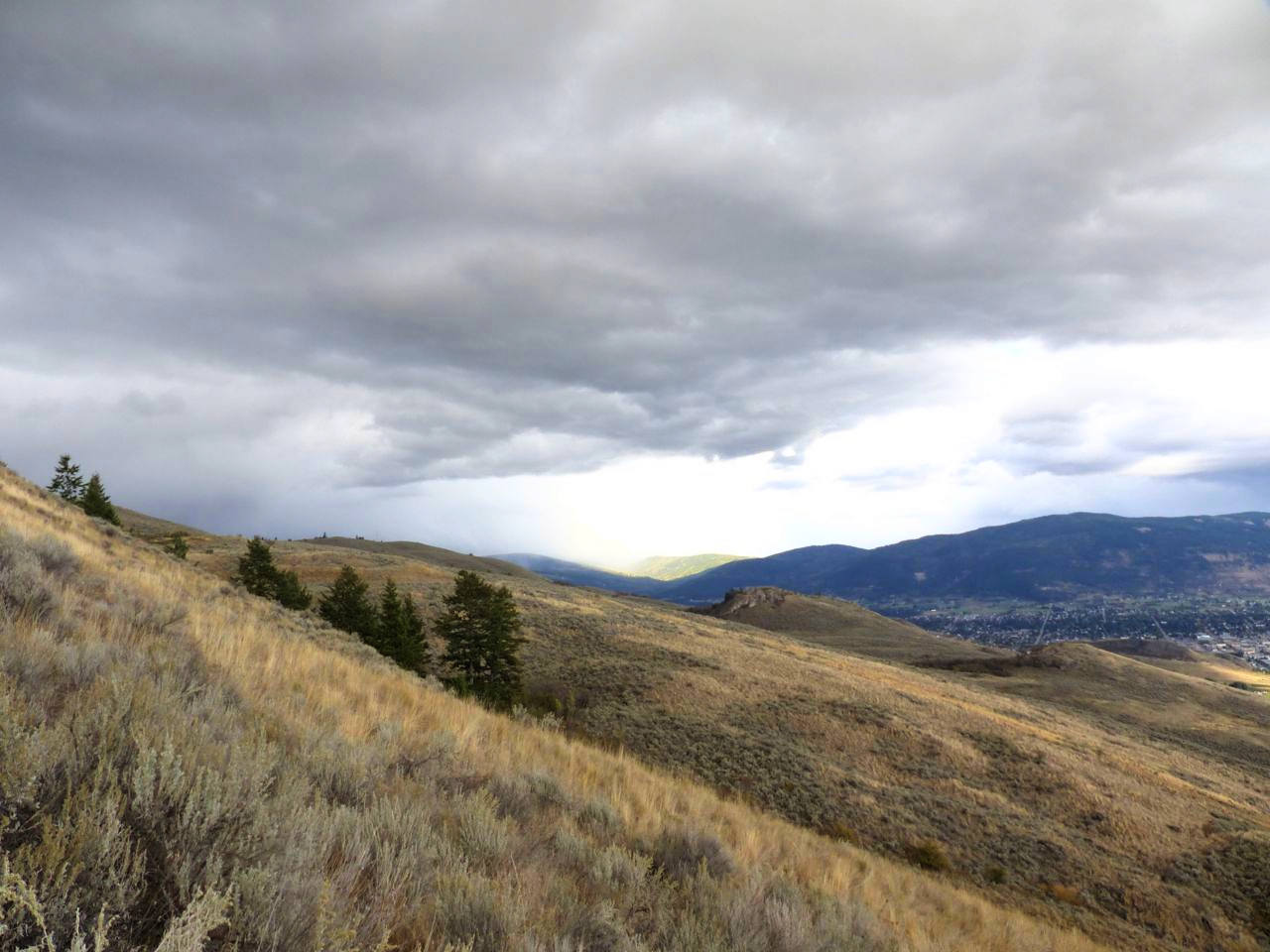
Bella Vista Hills, Okanagan Landing
Home Sweet Home!
Here’s my observation: if a layer of water over the earth has amazing effects, such as the ones in the images above, what effects does a layer of air have? Might it not be similar? Well, I think it is. I think it looks like this:
 Melted Frost on Blue-Bunched Wheat Grass
I think it looks like this, too:

Muddle Puddle Grass Seen From Above
Looking a lot like anemones in the sea.
See that ice around the grass? Just imagine it is air… see that? The plants are using the atmosphere as a sea. They do it by internalizing some of the processes of the sea, while abstracting others and leaving some entirely. They are undersea plants. They are atmospheric plants, not earth plants. Here’s an ocean bottom apple orchard.

It’s commonplace to note that plants left the sea long ago, as did land-based organisms such as humans. As I was walking through a grassland bright with drops of molten frost on the seed tip of every stalk of bunchgrass, I saw that we haven’t left.
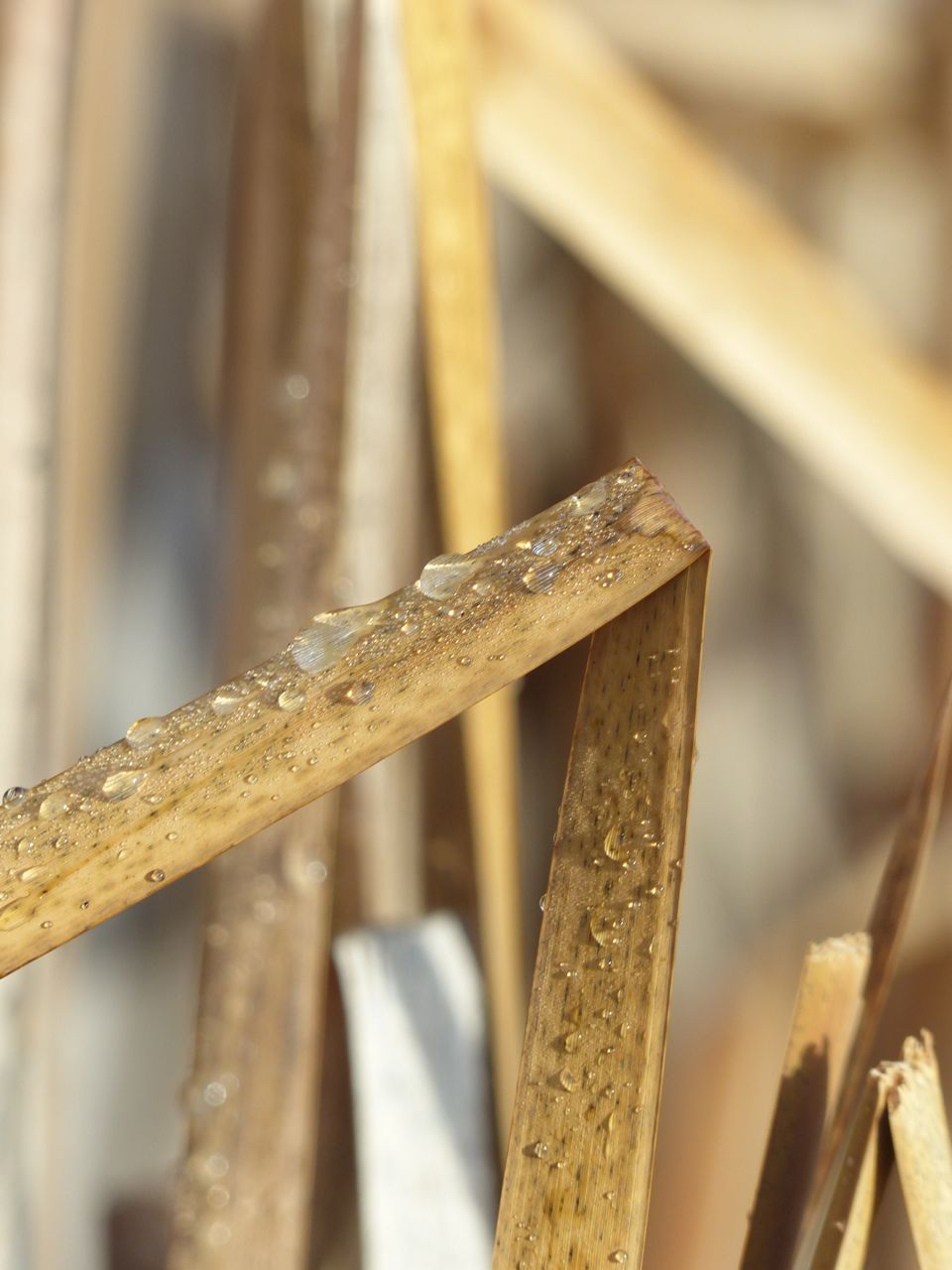 Cat Tail
Don’t be fooled by the water. The plant is under the sea, but the water on its stalk is not the sea. In the ocean, sure, but in the atmosphere the sea is the air. Water is a sediment. Water is this stuff:
 More Mud!
Imagine the layer of water here as air and the bottom mud as water, and the earth below it.
Water is pretty good at transferring energies and states. Look how it transfers the molecular energies of the freezing process to the mud it is blended with.
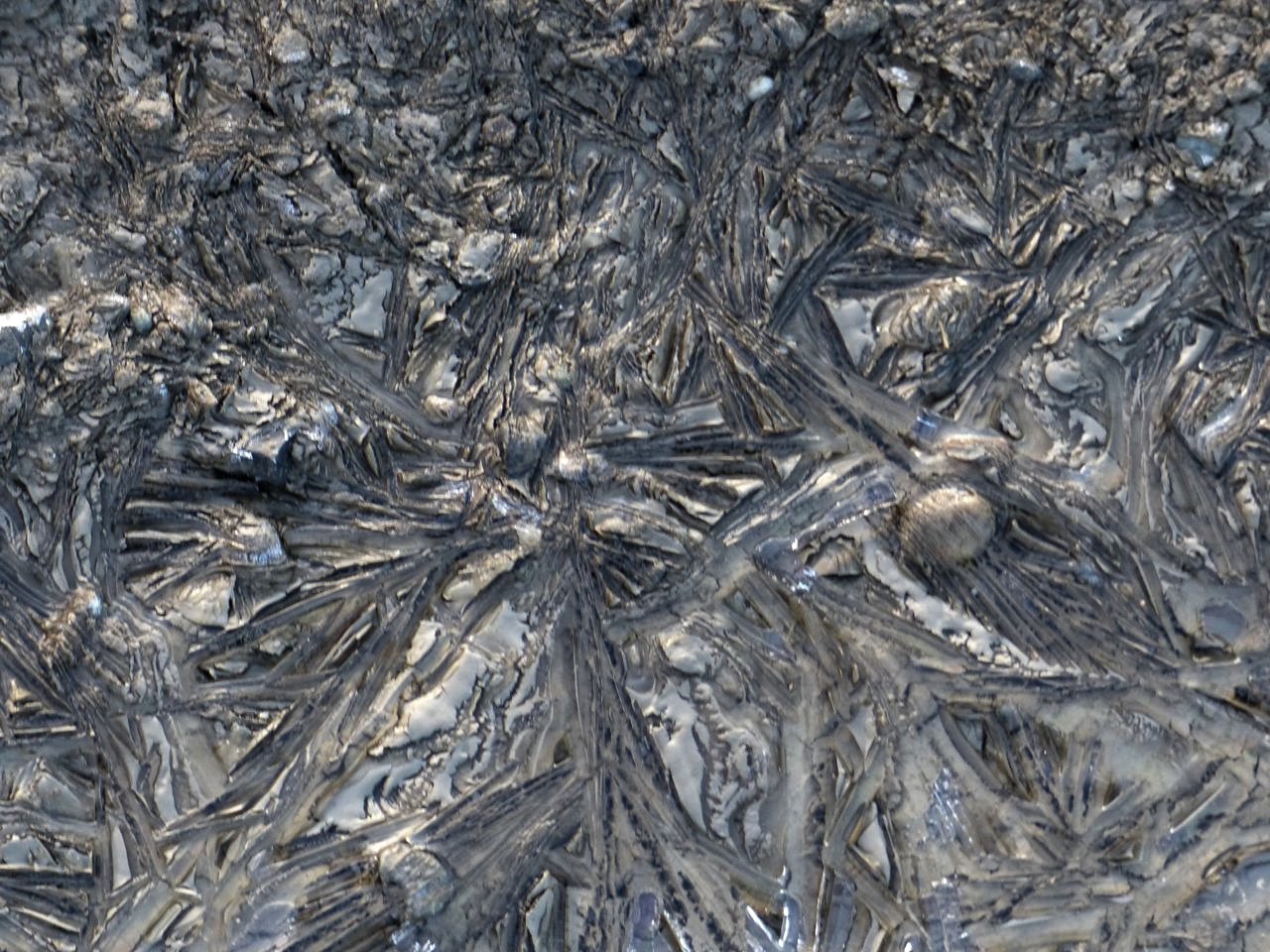
If we weren’t at the bottom of a sea of air we would not witness these effects. They are, in other words, atmospheric effects, including the pressure effects of the depth of the air itself. This is what those effects look like. Even, ultimately, this:

After all, the glaciers that ultimately formed these old post-glacial lakeshore clays are sediments from the air, which moved their water around and deposited it according to its own patterns. That cliff is, ultimately, a cloud, hugging the hill just like this:
 And the lake? Well, since it is sediment, it is, ultimately, mud.
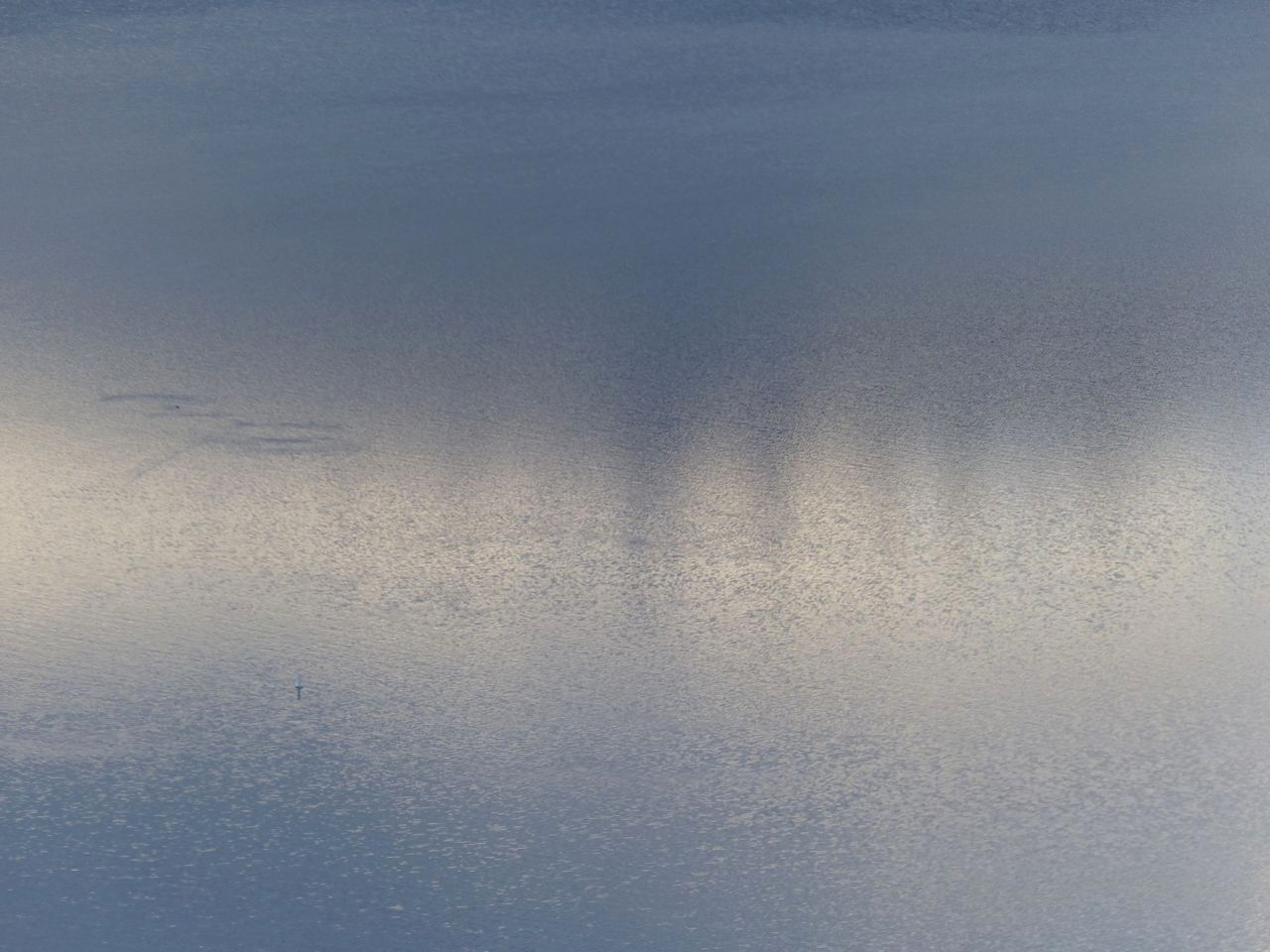
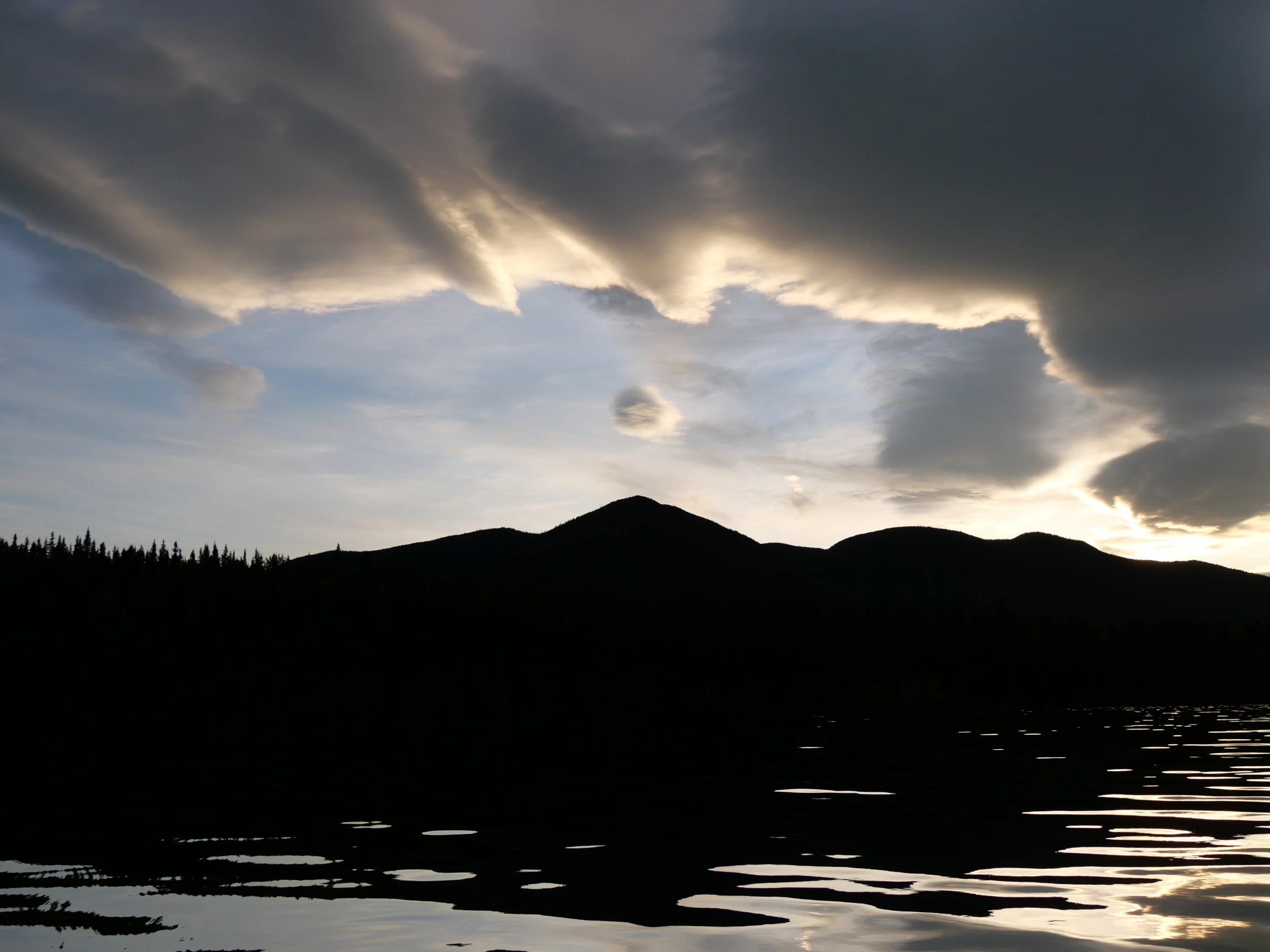
Mud taking an image of the sun through the ridge line trees.
Categories: Atmosphere, Erosion, Gaia, Geology, Grasslands, Nature Photography, Science, Spirit, Water



Great images, beautiful series!
LikeLike
Thanks!
LikeLike
Reblogged this on Sable Aradia, Priestess & Witch.
LikeLike