


I made a comment yesterday, that it would be a moment of great disrespect to write a poem about a moment of beauty in the spring. Back in the 1980s, we were taught by the professional literary specialists of the day not to use words like beauty because they were meaningless. No, they’re not. The issue is what is done with them. I’m referring to moments like this:
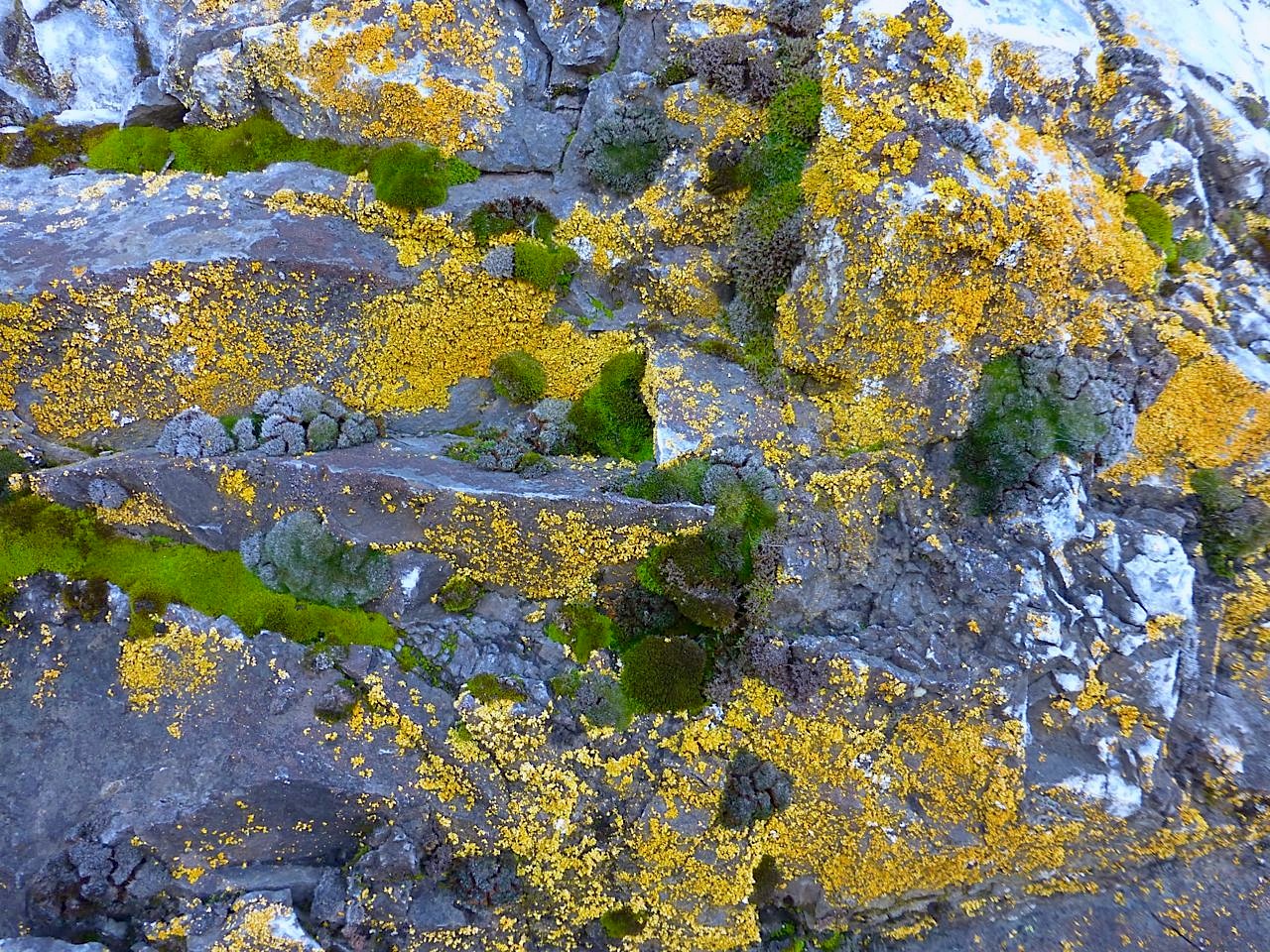
Blue Rock, Green Moss, Orange Lichen
Birds wrote this with their droppings. And not even on purpose.
Please don’t misunderstand. I devoted myself unequivocally to poetry almost forty years ago, but I have seen things which have extended that world. The poetry is there, but it has left a human point of view.
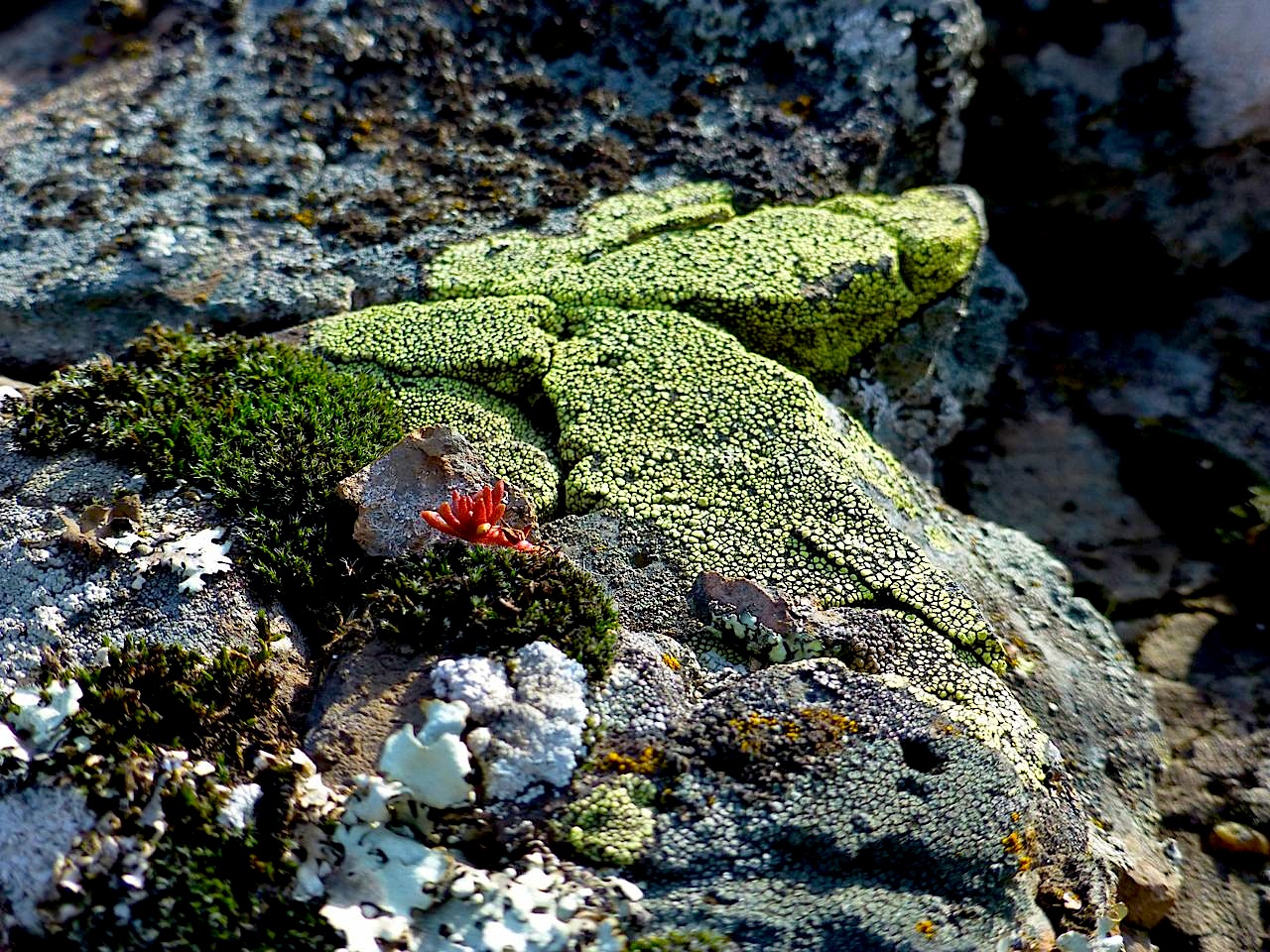
Beside the Deer Trail, Turtle Mountain
My friend, the sculptor Ken Blackburn, tells me that writers have it wrong. It’s all about lines, he says, not words.
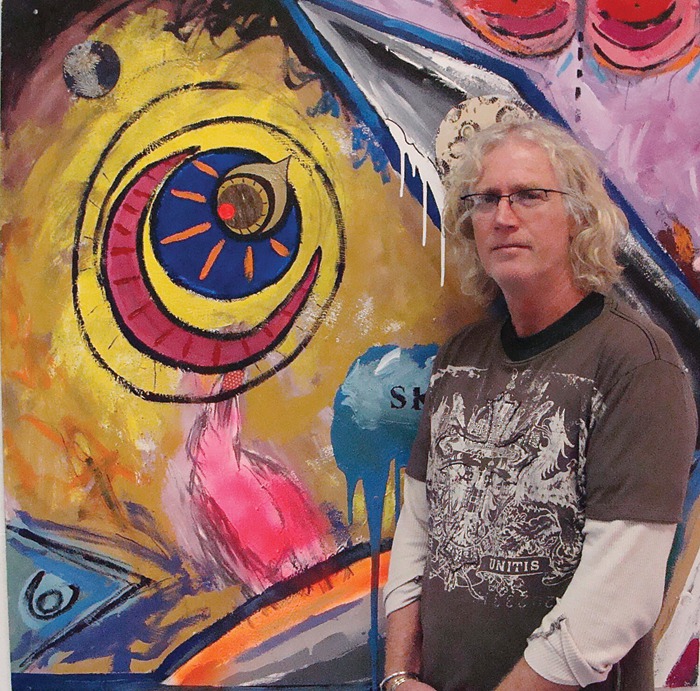
Blackburn at His Lunar Glow Source
Note the pink raven. I like strawberries, too.
You know, I think Ken’s right. Here’s what I saw today, and it starts with some words, because I’m human and that’s my chatter. They go like this… If you have a story that is written on the land with surveying markers, you get the city in the middle ground of this photo:
 Vernon, British Columbia
A 3-D mathematical diagram taken from Turtle Mountain
If, on the other hand, you have a story written on the land by biological humans walking it and observing it through their own faculties, you get the watcher in the foreground of the same image. These are not binary opposites. They are both images of humans. It seems that what you put into humans you get back again. To clarify, however, it is not a question as to who put the turtle head in this image, or the man looking up at it …
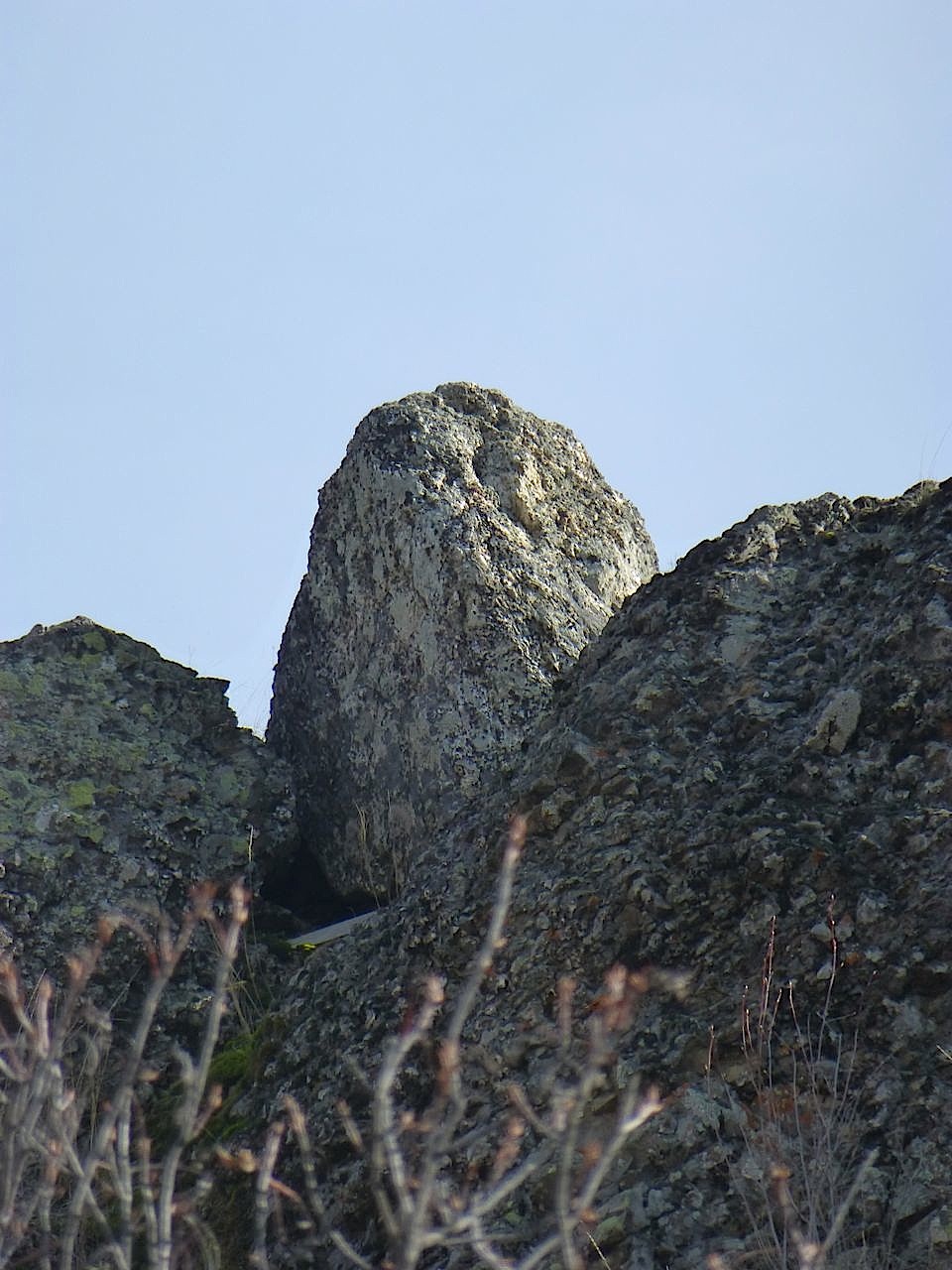
Turtle Mountain, 11:20 a.m.
… but about what will follow in the future if humans observe themselves there, as opposed to here…
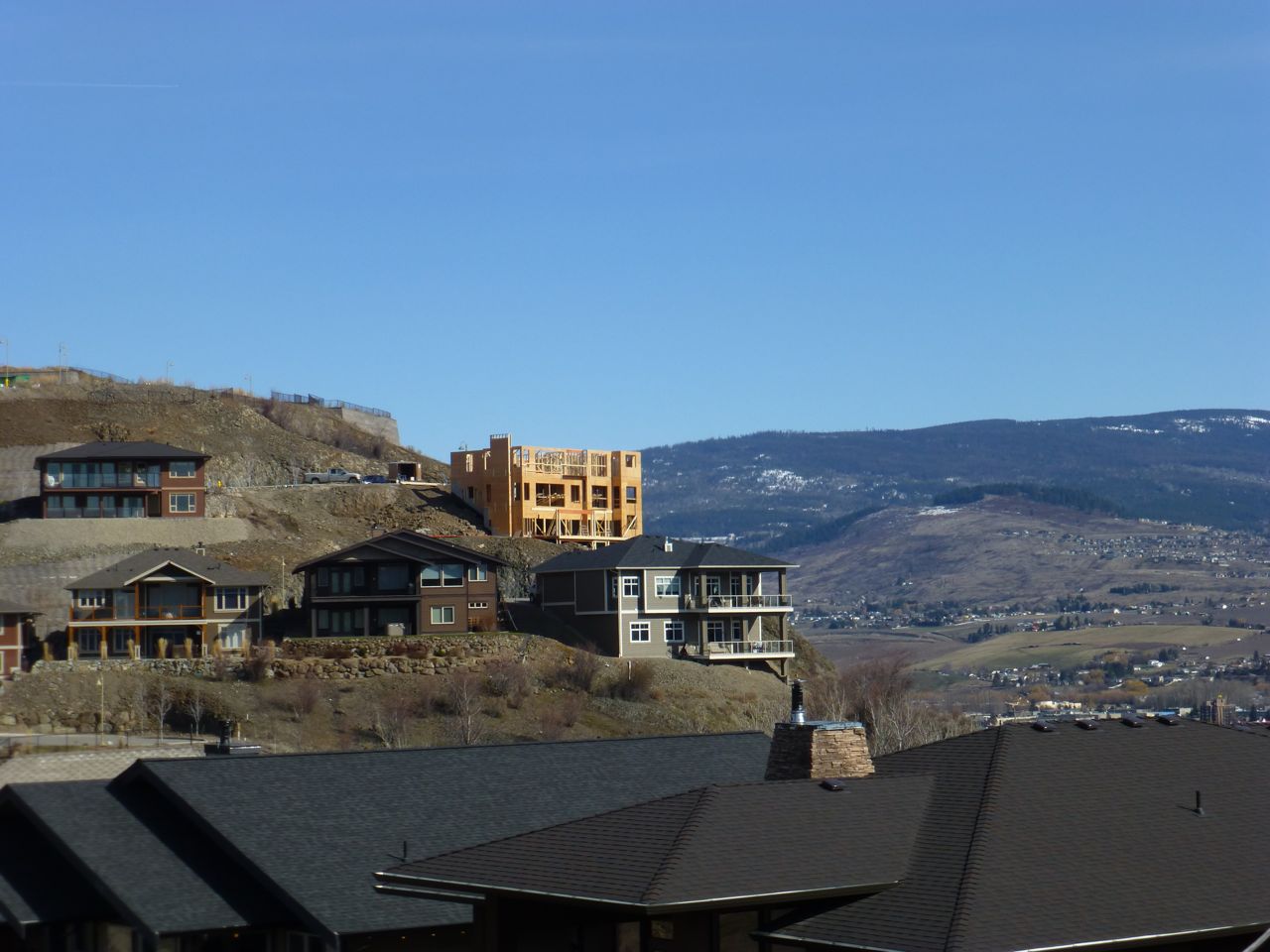
Human Social Hierarchies Written as Landscape
Same mountain. Same day.
… perhaps we will find this …
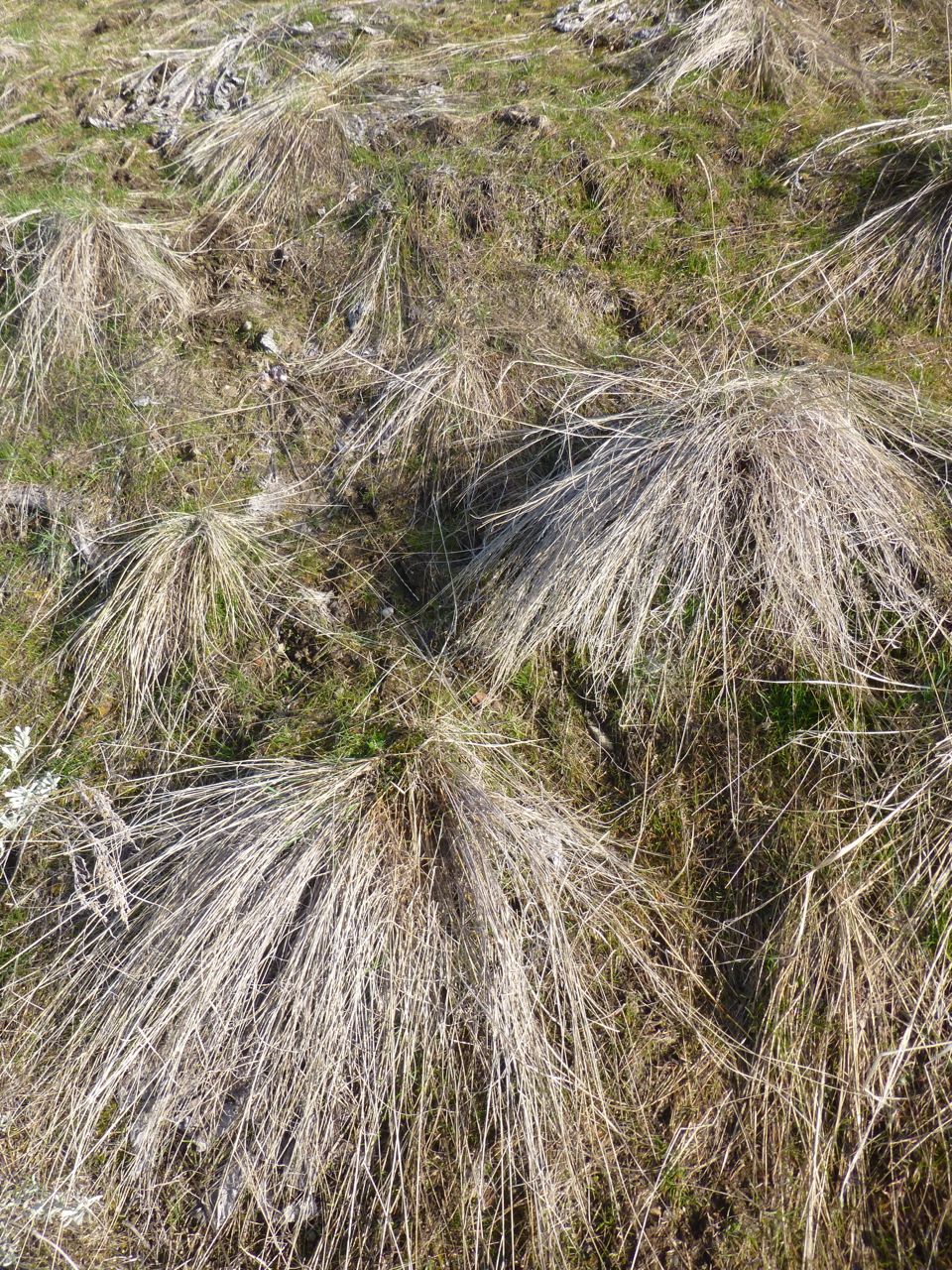 Deer Trail Through the Bunch Grass
There’s Ken’s line, except it’s not made by a human. If it’s language, and I think it is, its syntax is not written in human speech, or even human consciousness, but in the spacing of grass and twigs and stones along it. Humans come to such lines. They hunt along them. They use them to walk through the stories that are landscape. They do not, however, make them.
To put that into a poem would work best if it were a sound artefact, a poem that sang itself to the past an the future. A meaning-artefact, however, as are most poems in the ‘humanist’ age of the present, would most likely lead to metaphors, such as “the trail is a …” or a simile, such as “the trail is like a …”, but, of course, that can’t be finished, not with respect, because to do so means to cross over from grass to a human idea about grass … and the grass will be lost. It will be lost not just in the poem, but in the world.

No Grass.
Attention Customers: We Cannot Be Responsible
Oh, yes, we are too responsible. Even artists. Even poets. For the record, here’s what a man found today by following a deer trail, a man who found, as well, a watcher, a turtle’s head and a man, in profile, watching it.
 Grass in Its Glory
The poem will come when words come that will change human society to fit this grass, not words that put on a mask to pretend to speak to it. That is disrespectful. The earth is dying, and it is our fault. Let me repeat: that includes poets. It is time to be the future. It is time to learn what our brothers know.
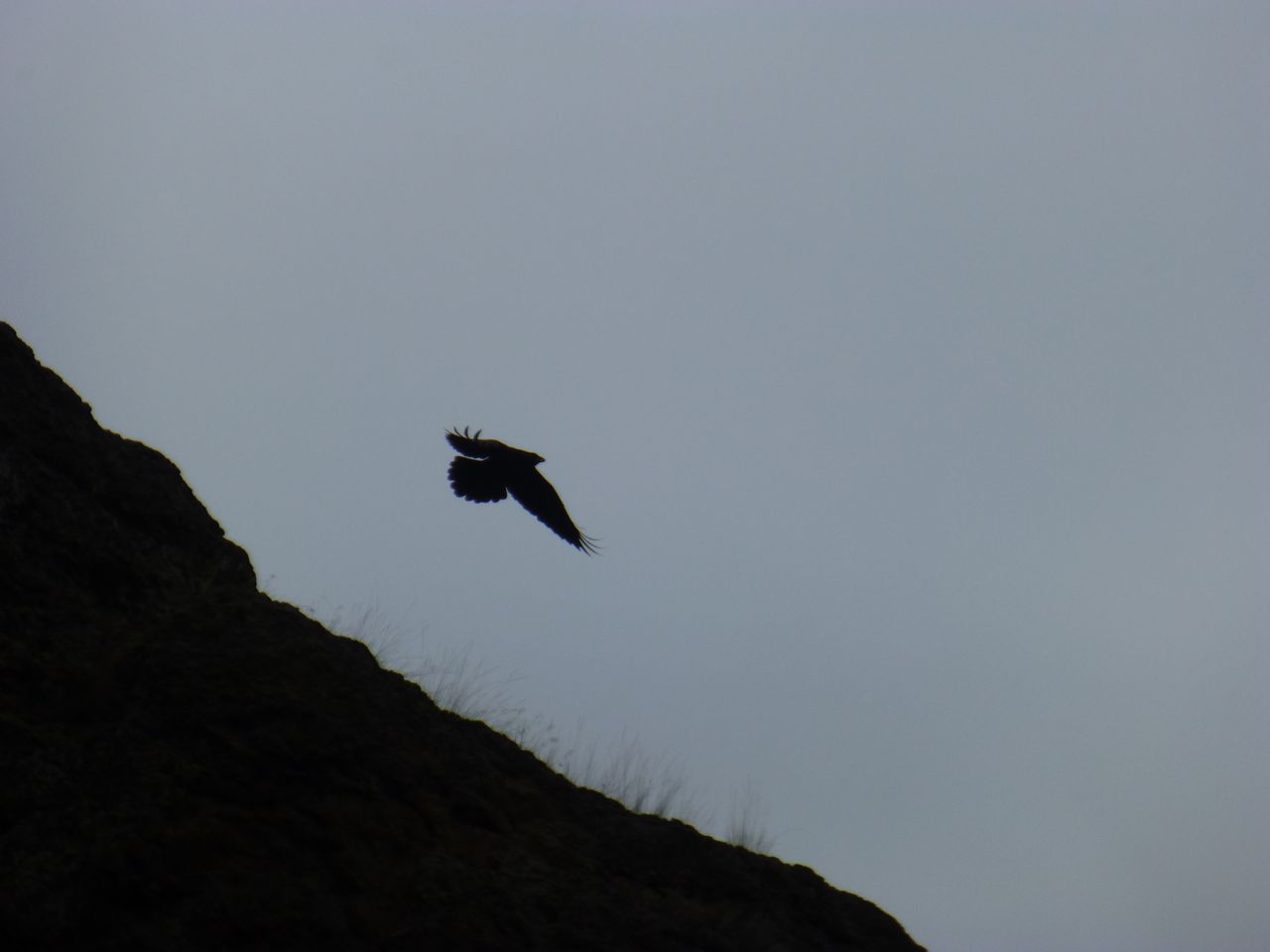 Raven Taking Flight
Turtle Mountain. I bet he’d like his pink brother. I bet he’d like that strawberry.
And they’re not telling. It is our job to figure it out. One way there is through beauty. It is the faculty given to humans, by which they can measure states of balance in the world.
 Pussy Willows in Bella Vista
And filbert catkins, too.
It’s about balance. It’s like flying. Look again at how the raven does it. That’s right…
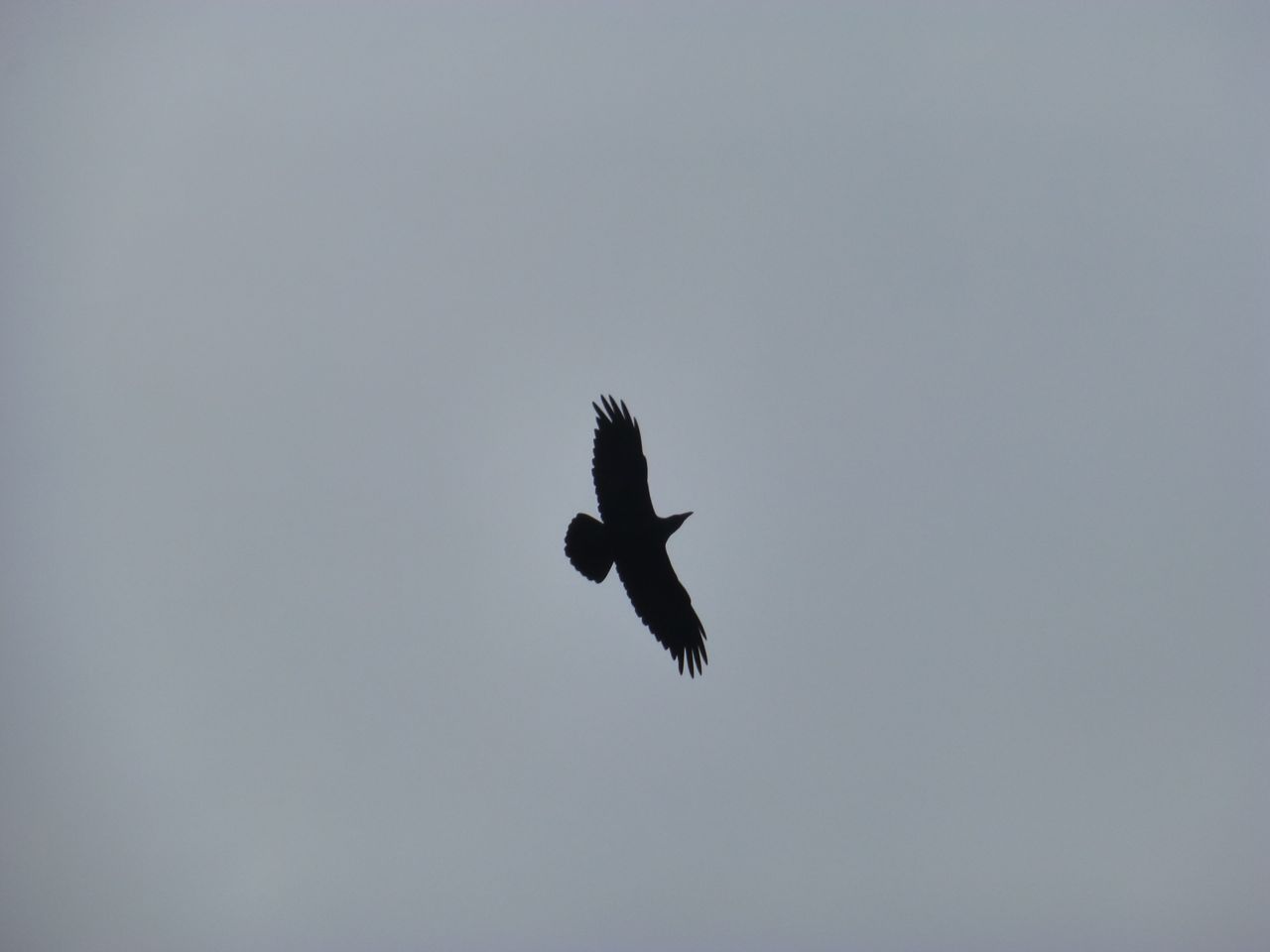 On the Tips of His Fingers
Categories: First Peoples, Land Development, Light, Nature Photography, Other People, Spirit, Urban Okanagan

 Okanagan Okanogan
1 reply »