


Words are curious things. Here are two, often used together by government and industry: value and added. Together they indicate a concept by which an area of production (vegetable growing, perhaps) can increase its economic activity through additional processing or handling of its products. Here’s a weed that my grandmother used to collect to make tea:
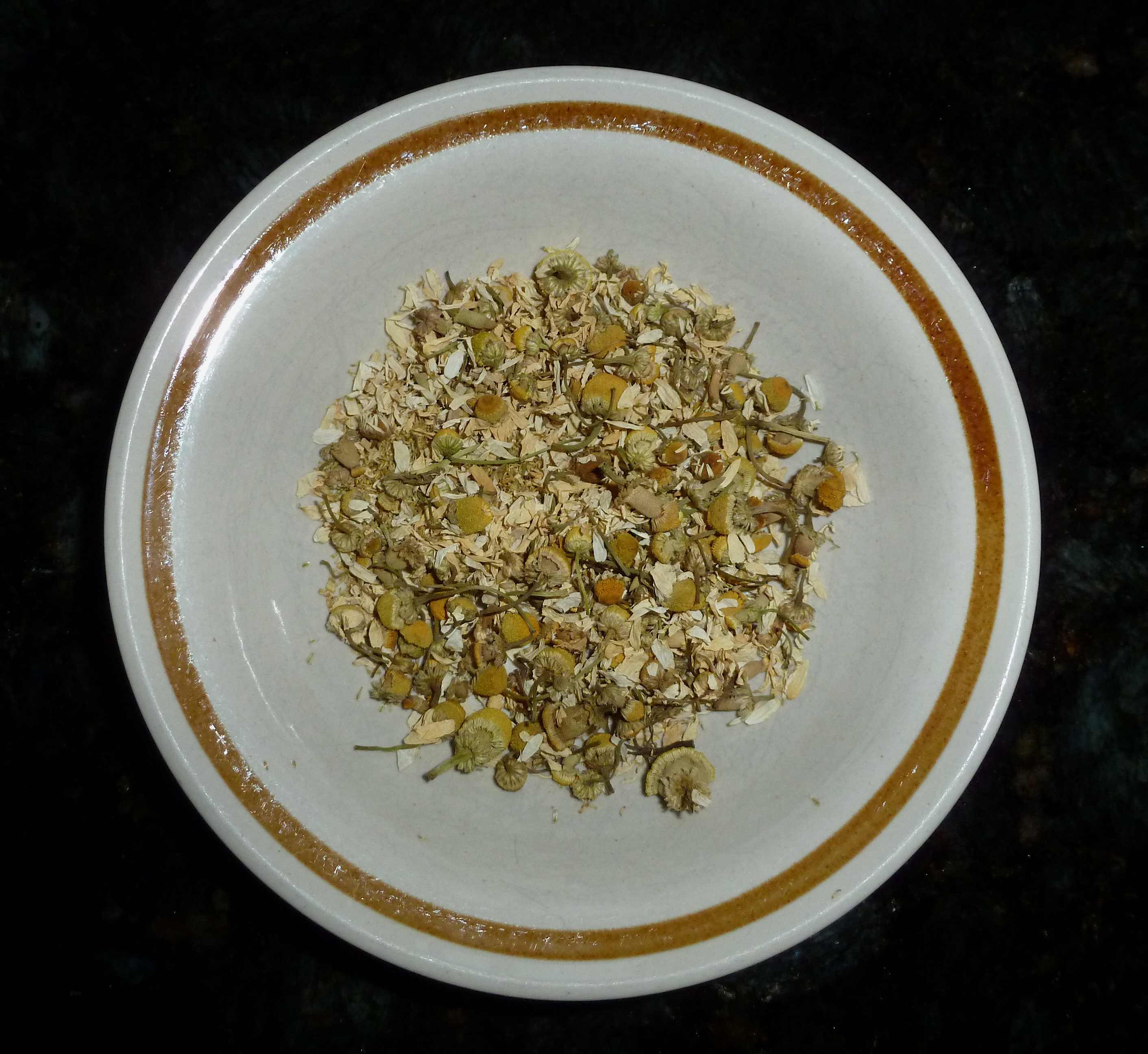 Chamomile Flowers
Just add water.
Here’s what it looks like once it has been magicked up by the Value Added Industry:
 Sleepy Time
I love the “100%” natural thing. One of the neat little sleights of hand of the 1970s.
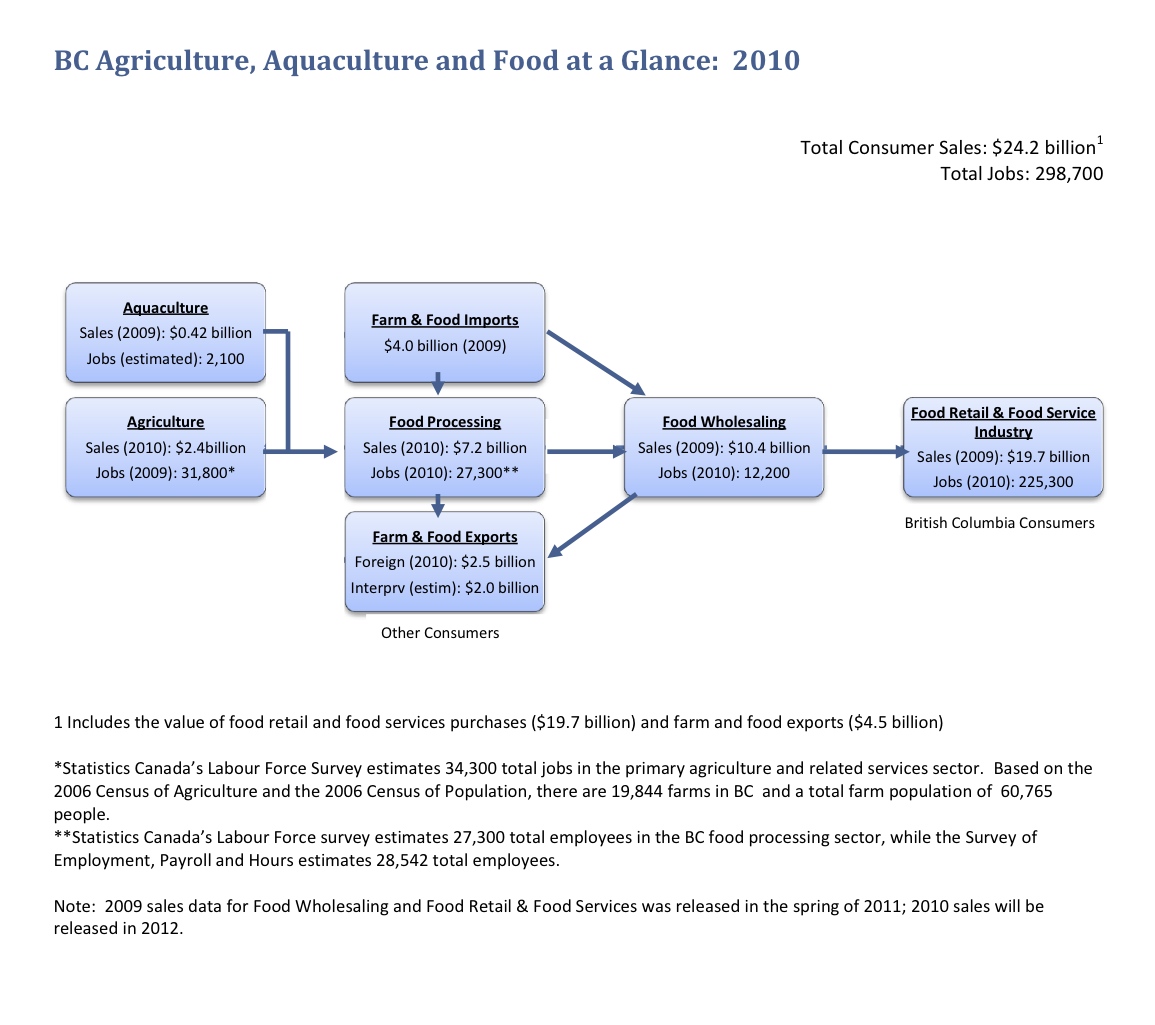
Value Added is often put forward as a model of how to move from a resource economy to a rich, productive one with the ability to turn human energy (growing a head of lettuce) into industrial energy (packing that lettuce, packaging it, wholesaling it, advertising it, and selling it in a retail setting, for instance.) Here’s how the British Columbia government puts it:
 Voodoo
You see how it works? 2.42 billion dollars of production becomes 19.7 billion dollars of food retailing value, paid for by the people of British Columbia. From the standpoint of citizens, that’s a loss of 17.28 billion dollars of value.
Common wisdom is that this money is not actually lost, but is returned to the people through employment. Not always. Here are some disturbing numbers on that:
 Citizens Receiving Social Assistance Payments in the North Okanagan
Crunching those numbers, about 7.5% of working age North Okanagan citizens (ages 19-54) receive social assistance, or about 50% more than the provincial average — in a major agricultural area, yet. In an area population of 77,000, this means that 3660 people are being compensated for their lack of ability to purchase the value added to local food.
These are not new problems. Back in the early 1970s, the back-to-the-land movement had many of us making our own breakfast cereals from simple ingredients. We added the value, and benefited from it. It looked like this:
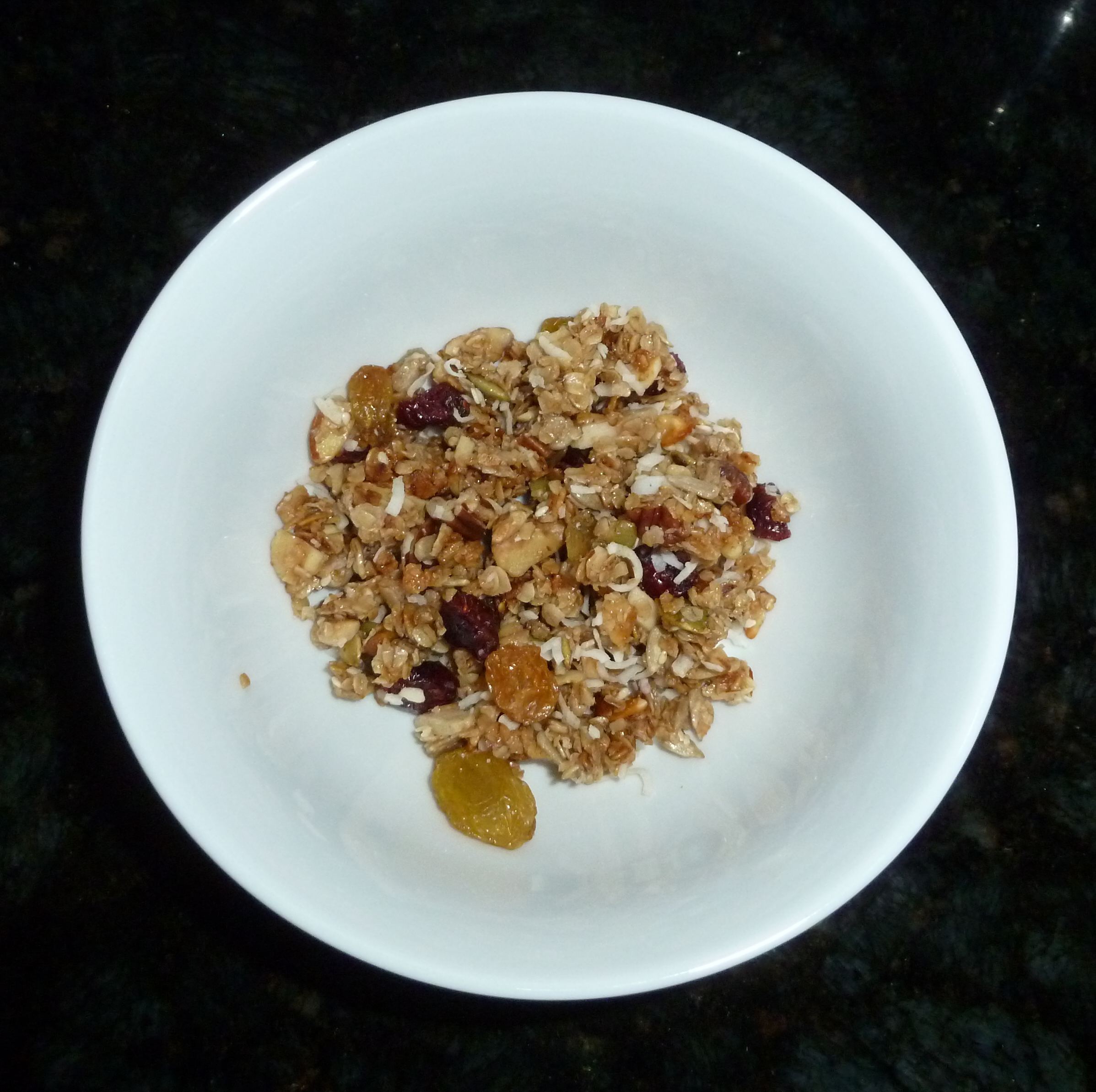 Granola Outside of the Box
And then we watched as it entered the value-added stream and lost its human-land connection. This product is still around. It looks like this:
 Value Added Granola
In England now and definitely in the box. It’s, like, “New!”, right?
When personal work was removed from the equation of creating food through this process back in the 1970s, I remember feeling betrayed, at the age of 13, which is a tough thing. I felt that a theft had been committed on my future. Well, time passes, two generations have kept up the work of adding value and paying a little more for it than they get, our economies have drifted away from economy to packaging, and there are more people hungry than ever. Here’s a thought:
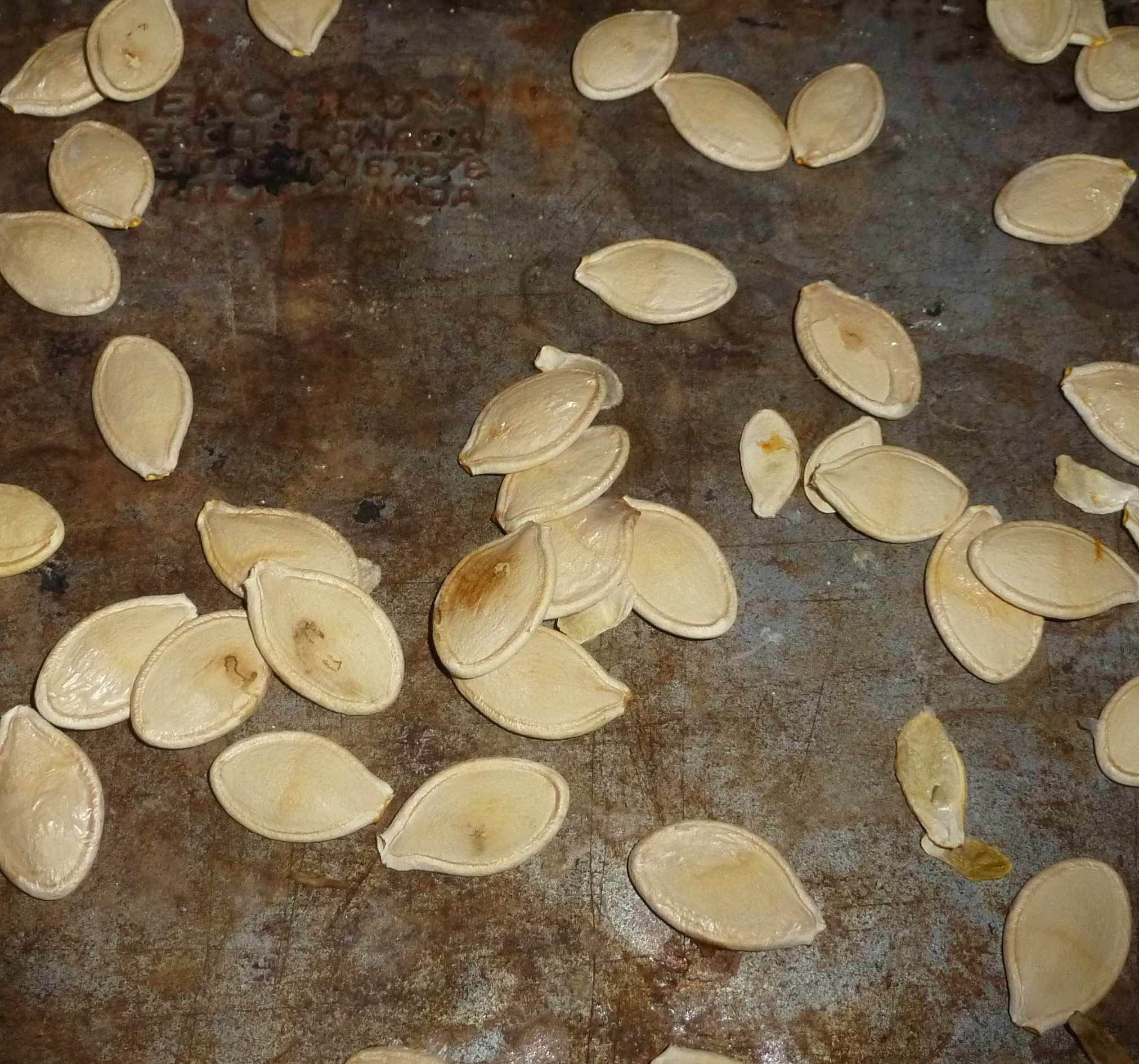 Pumpkin Seeds, Lightly Salted and Toasted
Making use of those jack o’ lanterns after the big Halloween candy fest.
Here’s another:
 Mint Tea in the Raw
Straight from the weed patch.
I think the government should start helping us get away from the economy. If we’re going to save this earth, we need a relationship to the land, not to the packaging industry. It happens one mint leaf at a time.
Categories: Agriculture, Innovation, Land

 Okanagan Okanogan
Your best blog post ever! Really enjoyed reading this Harold. Keep up the great work.
LikeLike
Glad you like it! I’m circling around the heart of the beast, and starting to make little nips at its ankles, for sure.
LikeLike