Okanagan Okanogan

Reclaiming the Art of Living on the Earth

Friday, January 16th, 2026|
Twitter

Menu

  • Home
  • Sustainability
  • About
  • The Okanagan in History

Enter your email address to follow this blog and receive notifications of new posts by email.

Join 1,264 other subscribers
Follow Okanagan Okanogan on WordPress.com
We Got This Wrong
Getting Our Land Back from the Pacific Northwest
Ten New Commercial Fruit Crops for the Okanagan
Please, Please, Please Don't Plant That Lavender!
Rocky Mountains Go Home Now, Eh
What If We Stopped Reading Books?
The Illahie: the Braided Country
Placer Mining the Grasslands
33. You Say Skaha, I say Sqexeʔ
Indigenous Creativity in the Pacific Northwest

Becoming History in the Okanagan

By Harold Rhenisch on March 2, 2021 • ( 3 Comments )

When the rail line along Kalamalka Lake was decommissioned, communities along the trail came together to purchase the land and turn it into a four-season lake-side trail. Preparation work included ripping out […]

Hunger: Climate Change in the Okanagan, 7

By Harold Rhenisch on March 1, 2021 • ( Leave a comment )

Here’s one of last year’s fawns looking thin as all get out. Well, yeah. Mule deer browse on willows and Douglas fir in the winter, out of the snow. Here, that means […]

Climate Change in the North Okanagan 6: A Tale of Two Orchards

By Harold Rhenisch on February 26, 2021 • ( 4 Comments )

This is an old apple tree. The government has paid for it to be replaced. Best read that again. The government has paid to have almost all of these trees replaced. Up […]

Reducing Climate Risk in the Okanagan 5: Collect Water in Place

By Harold Rhenisch on February 25, 2021 • ( Leave a comment )

The practice of collecting water in the mountains, delivering it to cities and farms in the valley bottom, and then emptying recycled water into the lakes is placing us at climate risk, […]

Climate Resilience in Okanagan Agriculture 4: Rewilding Apples

By Harold Rhenisch on February 24, 2021 • ( 2 Comments )

There are too many apples in the world. Far too many. Too much cropland is taken up producing a product falling out of cultural favour. For 120 years in Canada, the solution […]

Climate Resilience 3: Self-Fertilizing and Self-Watering Islands

By Harold Rhenisch on February 23, 2021 • ( Leave a comment )

That’s right, islands in the grass. They’re not just sitting there. They are creating nitrogen and releasing minerals from the rock into a form that plants can use. In fact, instead of […]
Zero Carbon Farming in the Okanagan

By Harold Rhenisch on February 22, 2021 • ( 6 Comments )

This week, I will be discussing options for reducing climate risk in Okanagan farming. The Canadian government is interested in protecting the atmosphere from carbon emissions. I am interested in that and […]
Reducing Climate Risk in Okanagan Agriculture

By Harold Rhenisch on February 19, 2021 • ( 4 Comments )

The Canadian Government has recently released an economic action plan. It’s a bit exhaustive and exhausting, but worth a walk-by. Click here to have a look. Bring some friends along. Coyotes, maybe. […]

Living Inside the Mountain or Flying With the Ravens

By Harold Rhenisch on February 18, 2021 • ( Leave a comment )

When it got down to 20 Below last week, ice appeared along the ditch of the Grey Canal Trail in Vernon. This is not ice from the water the city has been […]

Big Game Tracking in the Intermontane Grasslands

By Harold Rhenisch on February 17, 2021 • ( Leave a comment )

Suppose you’re hunting voles. I know, it’s not on any list of grocery items, but just suppose. It’s winter. It’s 20 Below. And you’re hungry. There are a lot of holes. Which […]

Posts navigation

‹ Newer 1 … 39 40 41 42 43 44 45 46 47 48 49 … 314 Older ›

The Okanagan in History: Table of Contents

This is a Blog about People in Place

I have worked here since 2011 telling stories of the Earth as preparation for a history of the Intermontane Grasslands of Central Cascadia and the rainswept coast that keeps them windy and dry. Now I am presenting this history, step by step, as I have learned it, often from the land itself. The history of this region includes the Canadian colonial space “The Okanagan Valley”, which lies over the land I live in above Canim Bay. The story stretches deep into the American West, into the US Civil War, the War of 1812, and the Louisiana Purchase, as well into the history of the Columbia District of the Hudson’s Bay Company. In all, the story spans the Chilcotin and Columbia volcanic plateaus and the basins that surround them. In this vast watershed lie homelands as old as 13,200 years (Sequim) and 16,200 years (Salmon River.) That’s how far we are walking together here, who are all the land speaking.

https://okanaganokanogan.com/harold-rhenischs-shop/ Click to buy my new book The Tree Whisperer, an extension of Thoreau's Wild Apples and a book about learning to write poetry by pruning fruit trees. Only Olaf Hauge, from Norway, and I have followed such a path.
  • We Got This Wrong
  • Getting Our Land Back from the Pacific Northwest
  • Ten New Commercial Fruit Crops for the Okanagan
  • Please, Please, Please Don't Plant That Lavender!
  • Rocky Mountains Go Home Now, Eh
  • What If We Stopped Reading Books?
  • The Illahie: the Braided Country
  • Placer Mining the Grasslands
  • 33. You Say Skaha, I say Sqexeʔ
  • Indigenous Creativity in the Pacific Northwest

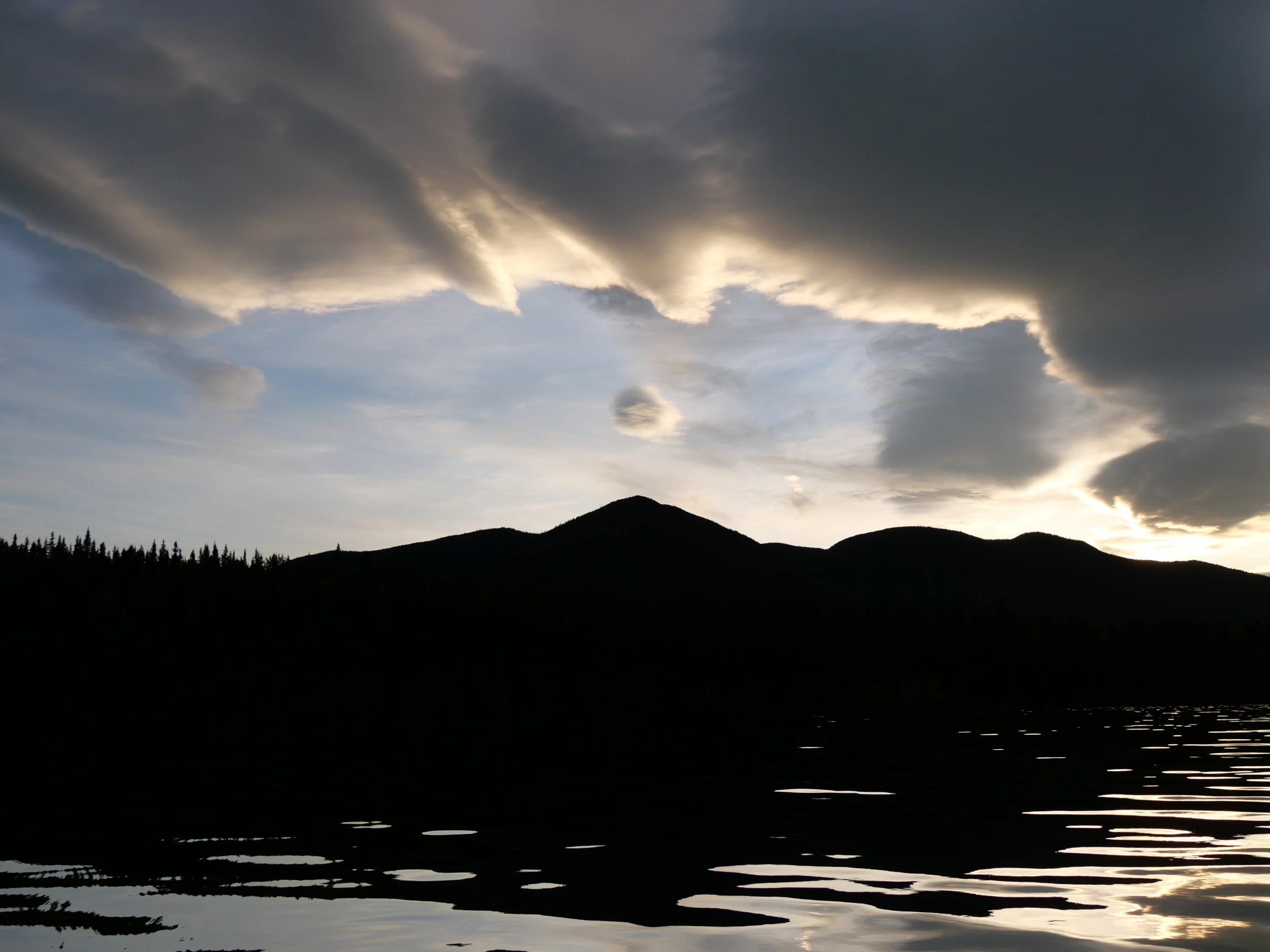
Jesmond Mountain, Where the Coast and the Grasslands Meet

Archive

  • January 2026
  • December 2025
  • November 2025
  • April 2025
  • March 2025
  • February 2025
  • January 2025
  • December 2024
  • November 2024
  • October 2024
  • September 2024
  • April 2024
  • January 2024
  • December 2023
  • October 2023
  • September 2023
  • July 2023
  • June 2023
  • May 2023
  • April 2023
  • March 2023
  • February 2023
  • January 2023
  • December 2022
  • November 2022
  • October 2022
  • September 2022
  • August 2022
  • July 2022
  • June 2022
  • May 2022
  • April 2022
  • March 2022
  • February 2022
  • January 2022
  • December 2021
  • November 2021
  • October 2021
  • September 2021
  • August 2021
  • July 2021
  • June 2021
  • May 2021
  • April 2021
  • March 2021
  • February 2021
  • January 2021
  • December 2020
  • November 2020
  • October 2020
  • September 2020
  • August 2020
  • July 2020
  • June 2020
  • May 2020
  • April 2020
  • March 2020
  • February 2020
  • January 2020
  • December 2019
  • November 2019
  • October 2019
  • September 2019
  • August 2019
  • July 2019
  • June 2019
  • May 2019
  • April 2019
  • March 2019
  • February 2019
  • January 2019
  • December 2018
  • November 2018
  • October 2018
  • September 2018
  • August 2018
  • July 2018
  • June 2018
  • May 2018
  • April 2018
  • March 2018
  • February 2018
  • January 2018
  • December 2017
  • November 2017
  • October 2017
  • September 2017
  • August 2017
  • July 2017
  • June 2017
  • May 2017
  • April 2017
  • March 2017
  • February 2017
  • January 2017
  • December 2016
  • November 2016
  • October 2016
  • September 2016
  • August 2016
  • July 2016
  • June 2016
  • May 2016
  • April 2016
  • March 2016
  • February 2016
  • January 2016
  • December 2015
  • November 2015
  • October 2015
  • September 2015
  • August 2015
  • July 2015
  • June 2015
  • May 2015
  • April 2015
  • March 2015
  • February 2015
  • January 2015
  • December 2014
  • November 2014
  • October 2014
  • September 2014
  • August 2014
  • July 2014
  • June 2014
  • May 2014
  • April 2014
  • March 2014
  • February 2014
  • January 2014
  • December 2013
  • November 2013
  • October 2013
  • September 2013
  • August 2013
  • July 2013
  • June 2013
  • May 2013
  • April 2013
  • March 2013
  • February 2013
  • January 2013
  • December 2012
  • November 2012
  • October 2012
  • September 2012
  • August 2012
  • July 2012
  • June 2012
  • May 2012
  • April 2012
  • March 2012
  • February 2012
  • January 2012
  • December 2011
  • November 2011
  • October 2011
  • September 2011

This is a blog about living in place.

News, politics, art, literature, commentary, and happenings of importance to the watershed and path of the Okanagan River, no matter how far it flows.
  • Top categories: Nature Photography spring
  • Social links:
    Twitter
Blog at WordPress.com. |
  • Subscribe Subscribed
    • Okanagan Okanogan
    • Join 1,264 other subscribers
    • Already have a WordPress.com account? Log in now.
    • Okanagan Okanogan
    • Subscribe Subscribed
    • Sign up
    • Log in
    • Report this content
    • View site in Reader
    • Manage subscriptions
    • Collapse this bar
 

Loading Comments...