A bit early for a soak in the sun, too. Worth a look, maybe.

A bit early for a soak in the sun, too. Worth a look, maybe.
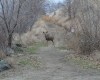
It’s dry down here. There isn’t even any snow. Weird. The deer aren’t in the best of shape. Just one antler, buddy? Ouch. Nor the vineyards. Planted to increase the value of […]

The coriander is beautiful today. Do you see the bee hiding there? Bees and wasps everywhere. People are asking, “Where are the bees and the wasps and the pollinators this year?” Here. […]

I was down at Chopaka yesterday, planting a nursery on Lower Similkameen land. This is a food sustainability project to replace the orchard that White farmers from the packinghouse at Keremeos, a […]

Here’s Kelowna’s explanation of their success at mitigating climate change. See that? 20% of sensitive ecosystem land is protected. Given that sensitive ecosystems make up 28% of Kelowna, and Kelowna covers 214 […]

There is a beautiful, simple understanding of plants: they have roots, stems, branches, leaves, flowers and fruit, in various combinations, but grape vines, like all the rest, are understood to grow from […]
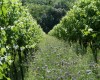
The best intentions don’t always lead to the best results. Placing a vineyard or orchard next to a wild environment so that both farmed and non-farmed environments can exist and the farm […]
Our project to celebrate the resilience of the Sməlqmíx through friendship and an amazing apricot tree is celebrated in an article by Aaron Hemens in Indigenews. Here is elder and language keeper […]
When an apple costs $2 a pound in the store and the farmer gets $.02 for it, might get $.15 and needs $.30, well, perhaps you can see that the price of […]
This is the tenth of a series on race and apples in Northern Cascadia and the stresses this racial past places on food security and affordability, land access and environmental resilience. I […]

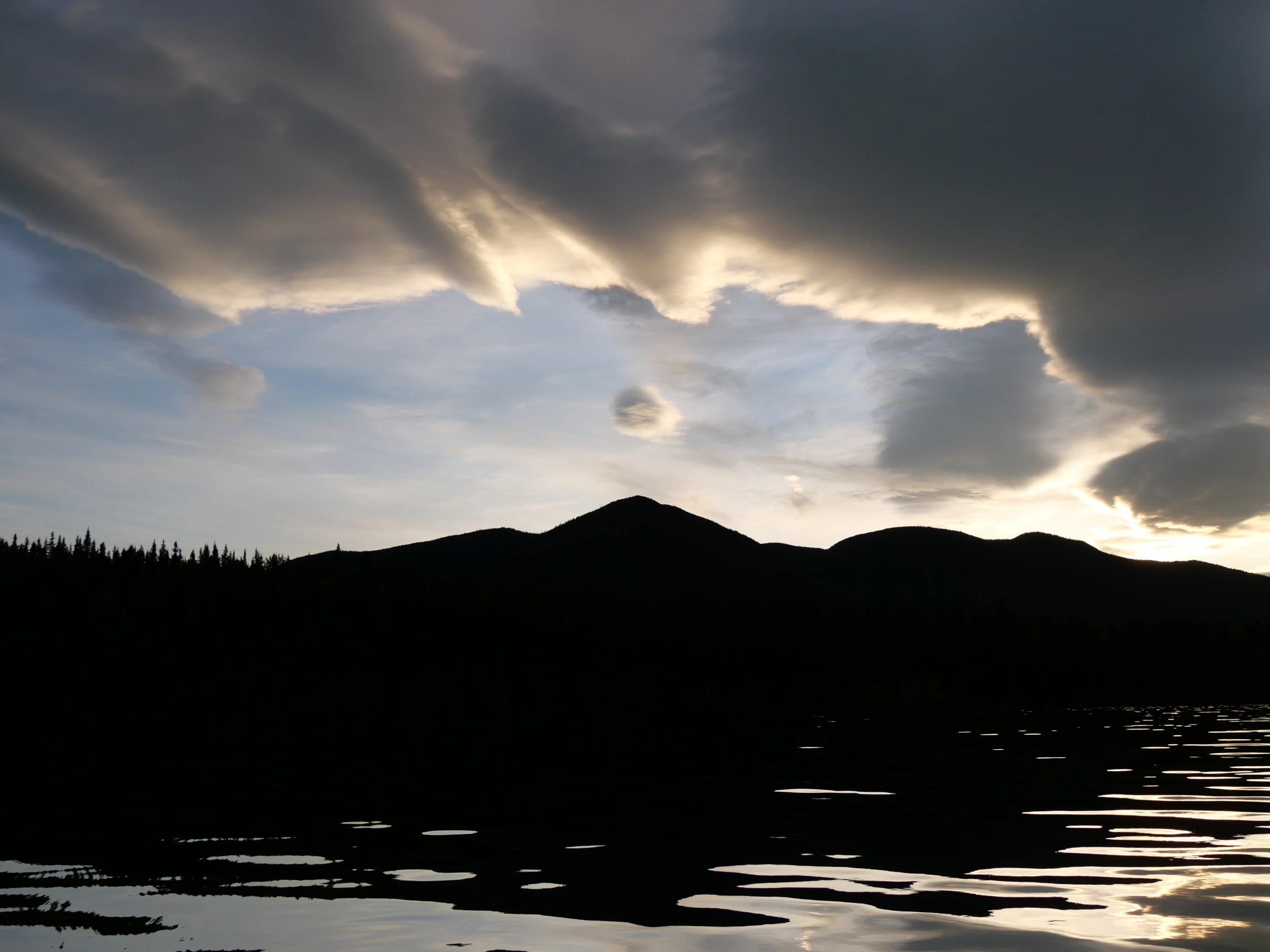
 Okanagan Okanogan