




The other day, here, https://okanaganokanogan.com/2024/10/17/what-does-rural-british-columbia-need/, I rephrased the question
“What does rural British Columbia need?”
as an entirely different one:
“What do the land and water need?”
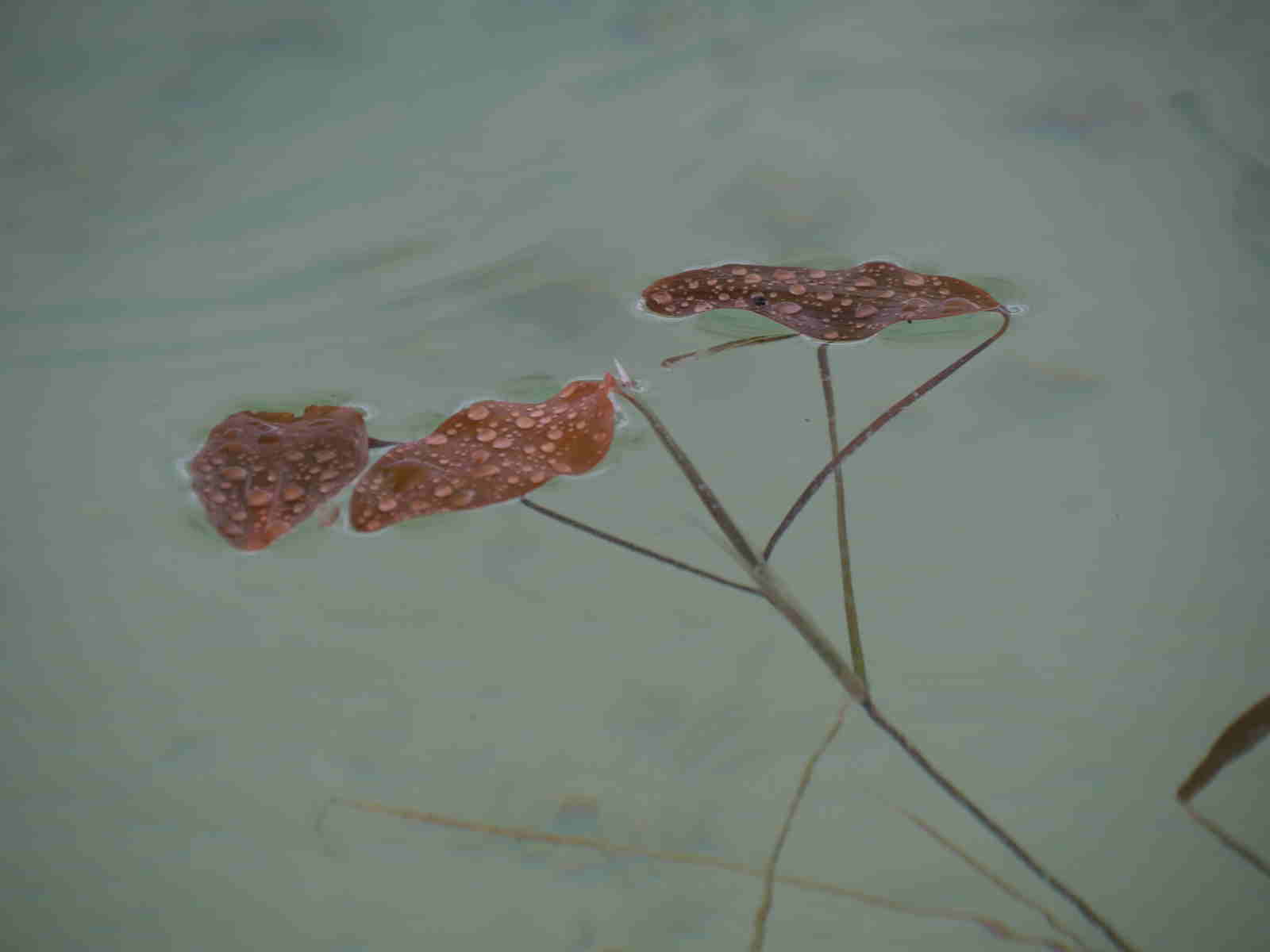
Beaver Bay, Big Bar Lake. Photo by Harold Rhenisch.
The first question concerned the Canadian political province of British Columbia. It’s a question about a certain kind of human social order, organized around “development” of the land and water in harness to a certain kind of human social goals. The second concerns the bulk of the northern reach of Cascadia.
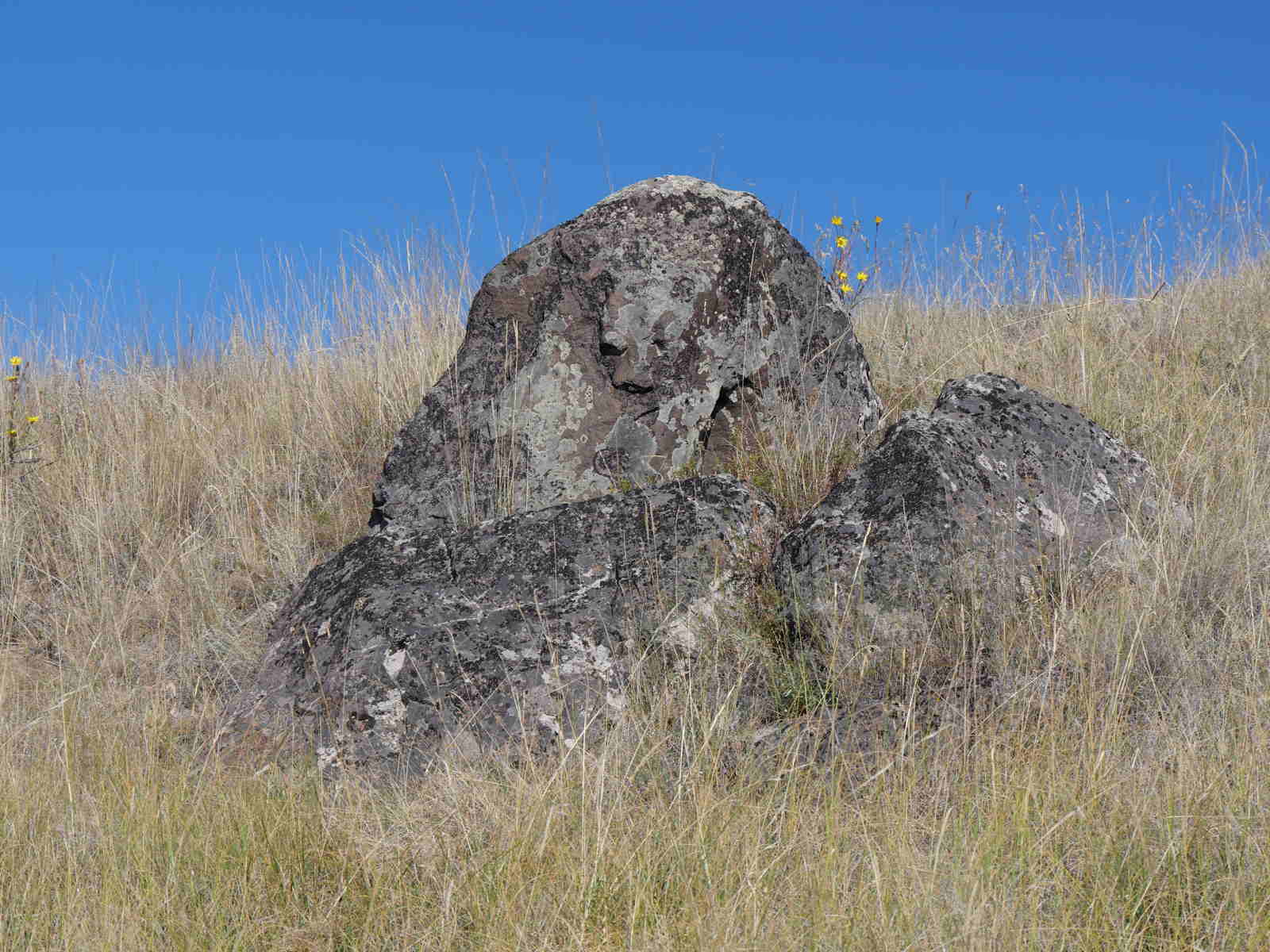
Ancient gravestone? Remnant of a lateral glacial morraine? It’s up to you. Photo by Harold Rhenisch.
It’s a question about a certain kind of social order that includes humans, but more as well. What development is contained within it is the development of conditions necessary for all species, and for humans only to the extent they are woven into those communities. This guy warming up on a cold fall day, for instance, with whatever heat there is, on the sand of a parking lot, even:
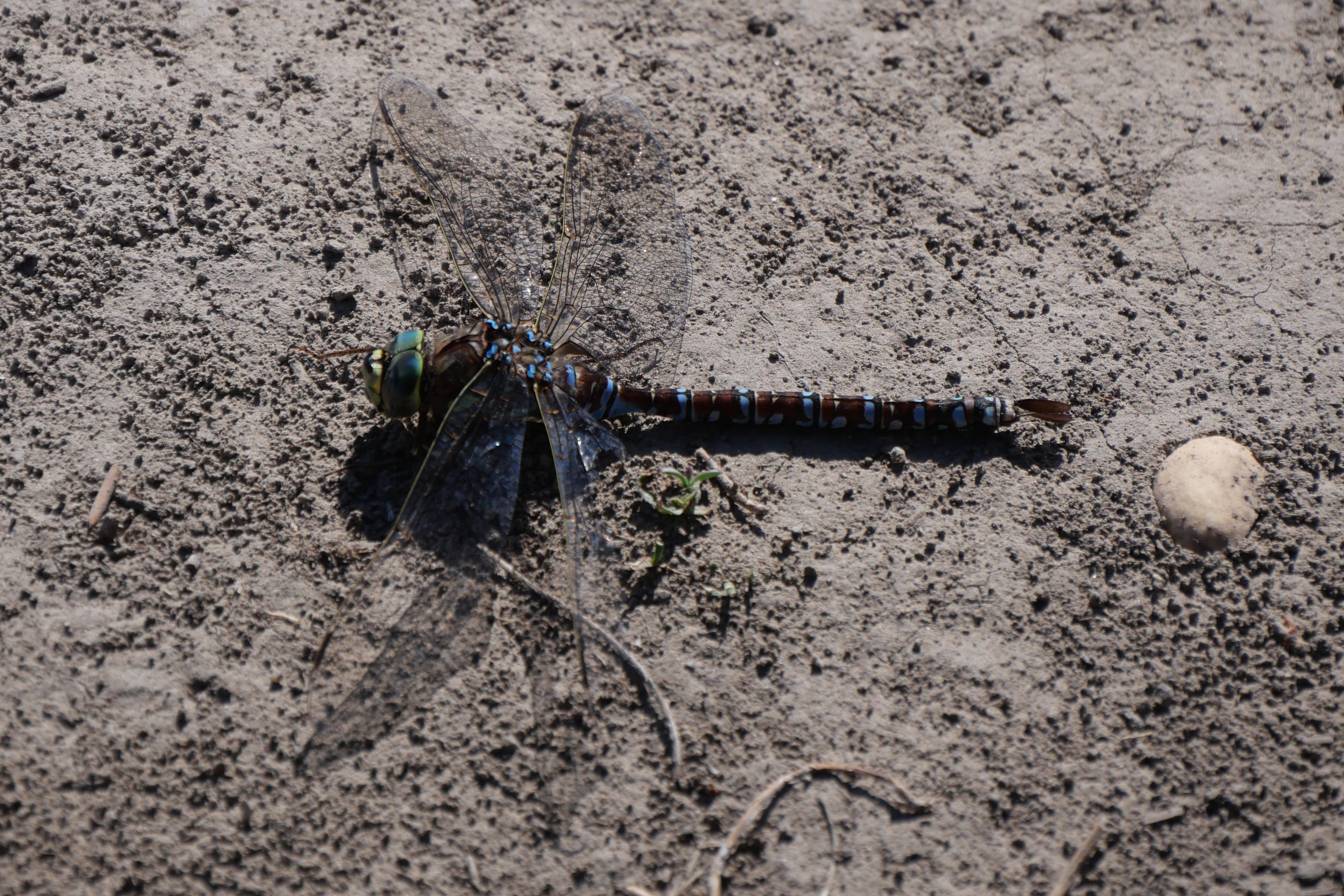
Life’s a Beach. Photo by Harold Rhenisch.
These questions are not just artful. They are real and have important contributions to make to a sense of civic order. This, for instance, is urban space:
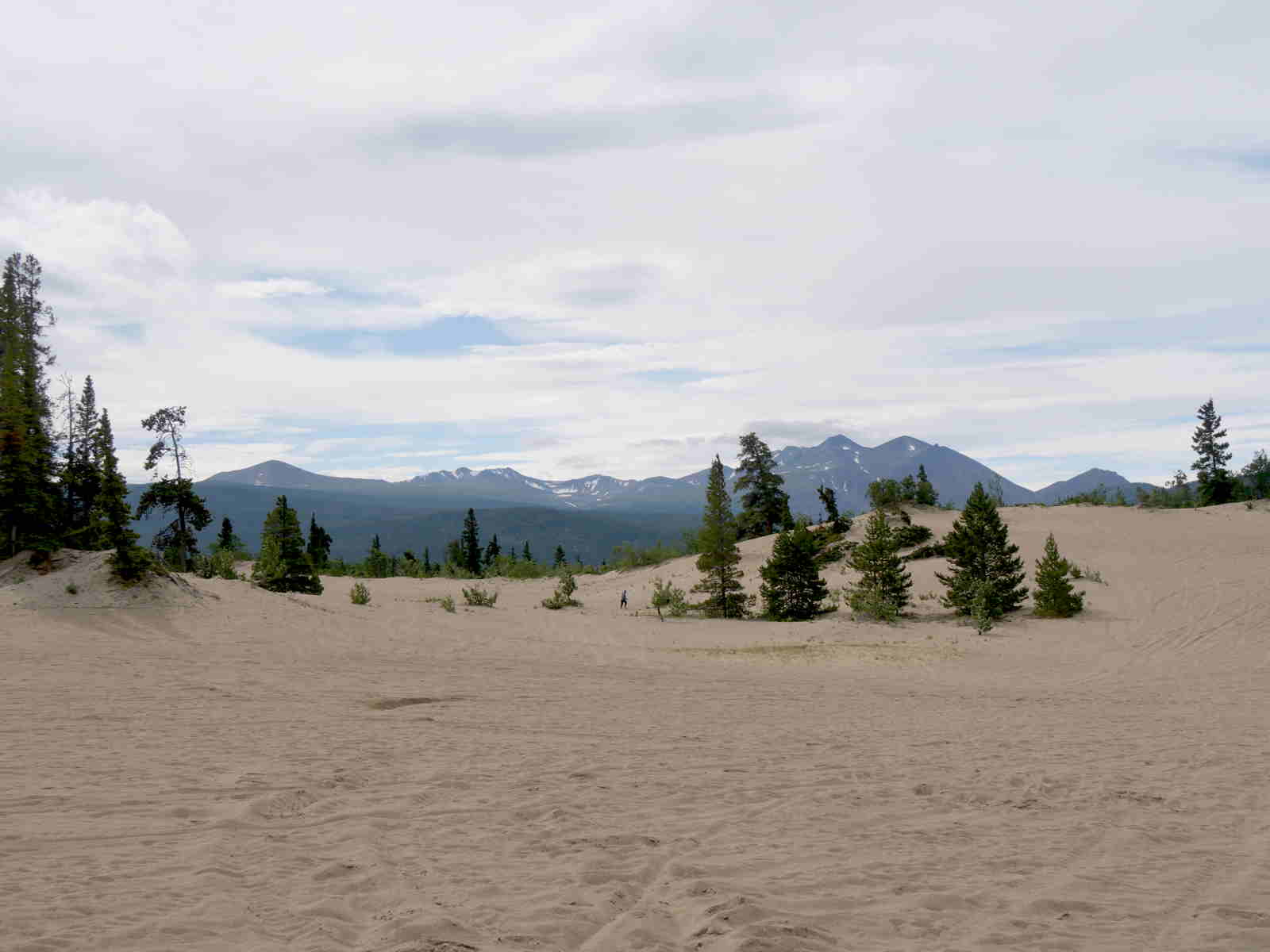
Carcross, Yukon. Photo by Harold Rhenisch.
It’s “wild” and a “desert” and “nature” in British Columbia, Yukon and Canada…
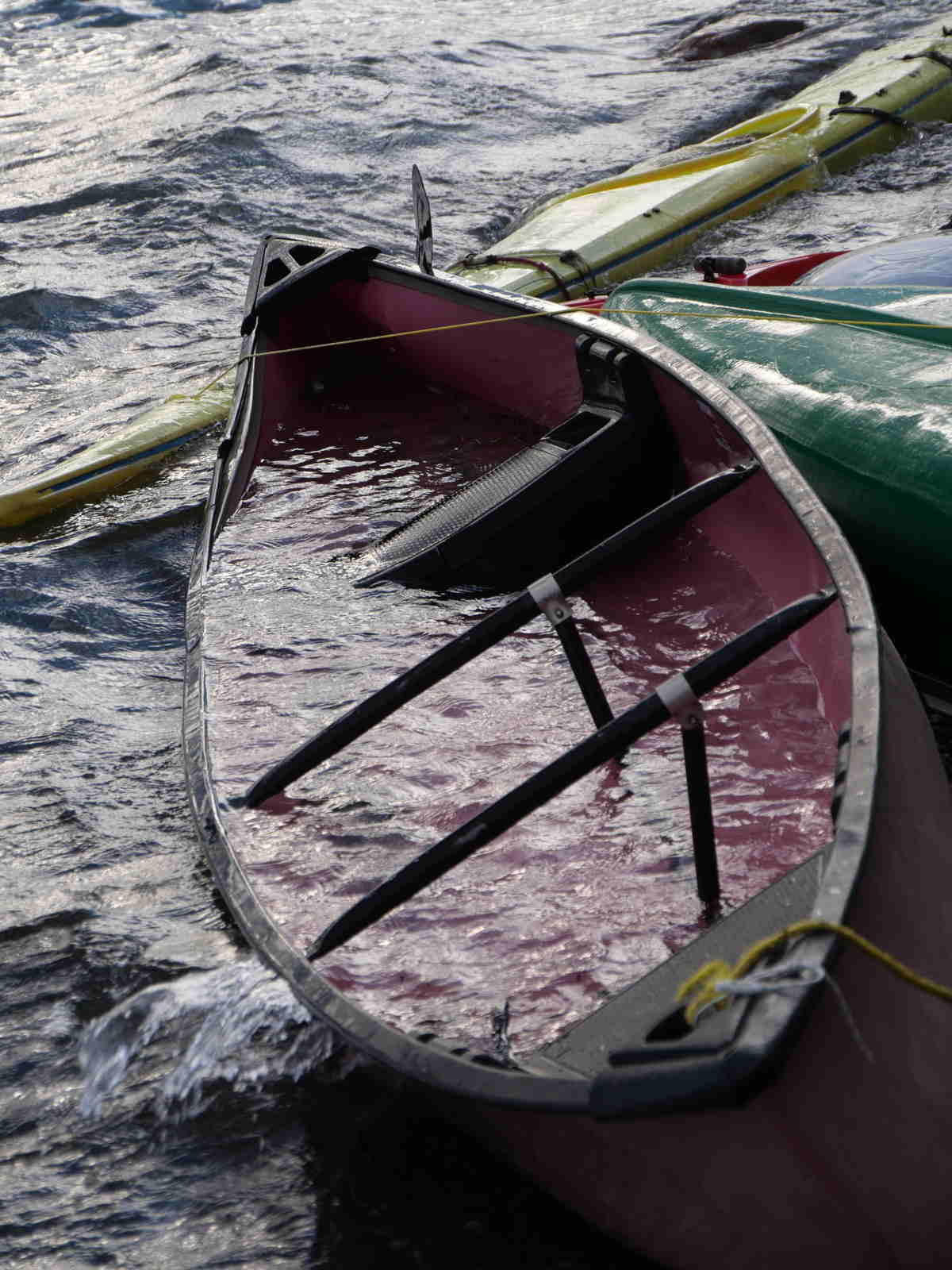
Boats for Tourists to Yukon, Canada. Photo by Harold Rhenisch.
So what to call it? In Syilx Country, where I live…
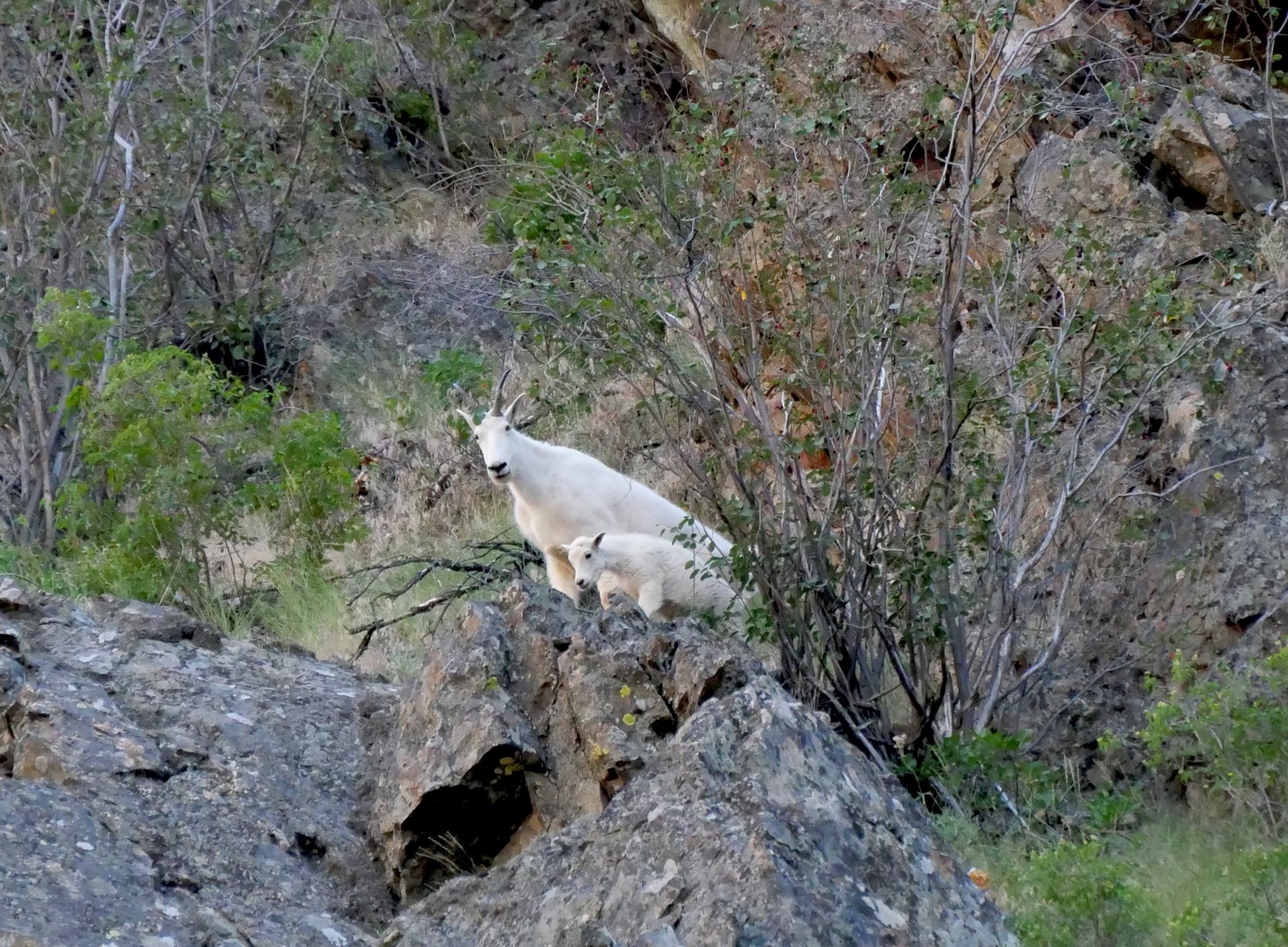
Keremeos Creek Canyon. Photo by Harold Rhenisch.
… the answer is easy, it’s the tmxʷulaxʷ (the land-and-water-as-one-thing) and the tmixʷ As the syilx say themselves, here, https://syilx.org/natural-resources/land/…
The nsyilxcen word commonly used to refer to all living things is tmixʷ. tmixʷ includes everything alive – the land, water, animals, people, plants, and so on. The Syilx Okanagan concept of land encompasses more than the physical geography of place, it includes the spiritual connections of everything living on and within it.
You can learn it from traditional syilx knowledge, or you can learn at least of little of it from the land. The syilx are just one of the 203 First Nations in the tmxʷulaxʷ claimed by Canada as “British Columbia”, and the hundreds more in Cascadia as a whole, so to apply their concept universally risks being as problematic as calling the land, water, people and spirits “urban” and “rural” space. We could proudly call it “illahie”, though. You may have heard me go on about it before.
This time, let me just remind you that “illahie”, as imagined by the Indigenous women of Fort Vancouver in 1835 as they created a language which they could use to speak to their British and (French) Canadian husbands as they wove them into traditional Indigenous kinship and land use protocols, is a “fish weir”, a “fence around a garden,” or as I put it in my new book The Salmon Shanties, his own “hedgerow,” in the stick game called S’lahal, which has been played here for well over 13,000 years. (Notes on that, here.) Everyone has their illahie, inherited from social and spiritual relationships, but the concept remains steady. Land and water are a series of stories. One does not trump others. A story that is a “law” to “British Columbia” does not replace a story of Sen’klip bringing salmon to the people, along with a bit of sexual mischief.
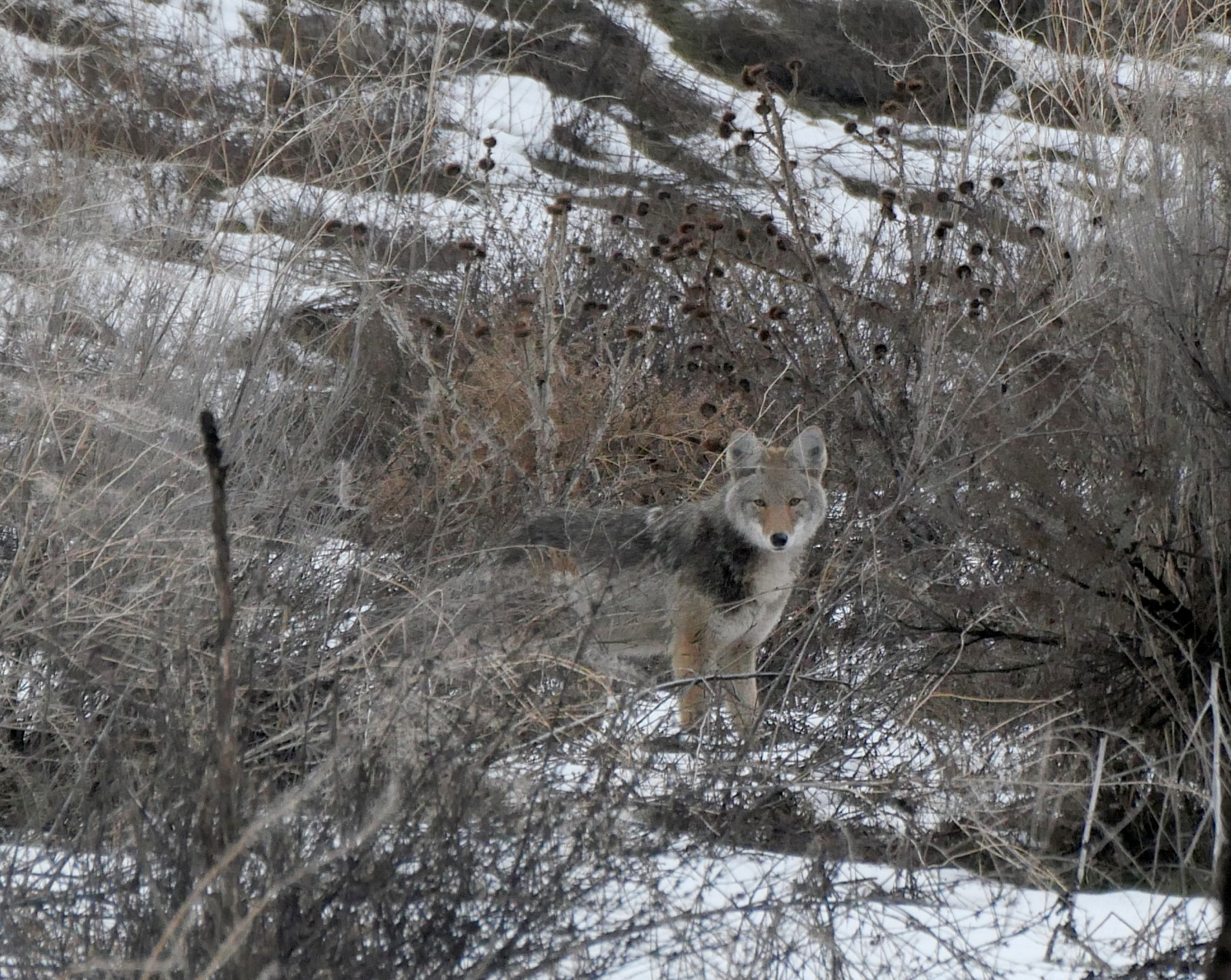
No mischief here. Just Hunger at Canim Bay. Photo by Harold Rhenisch.
Canada and British Columbia are not illahies. They are political spaces and their power relationships over the land they claim. Kind of an aristocratic relationship, really, in a British kind of way, as the name “British” Columbia should probably suggest. But if illahie won’t do, why not just get down to basics and call some space “rural”:

Camas Prairie, Nimiípu’u Country, remade into a rural wheat field in Idaho. Photo by Harold Rhenisch
We can call some other space “urban”:

Canada Makes a Cameo in Yukon, photo by Harold Rhenisch
But we can’t define “rural” by the “urban”, or “urban” by the “rural”, and we can’t define the land-and-the-water by either. Why not just call it what it is, “spiritual ground” or “life.”
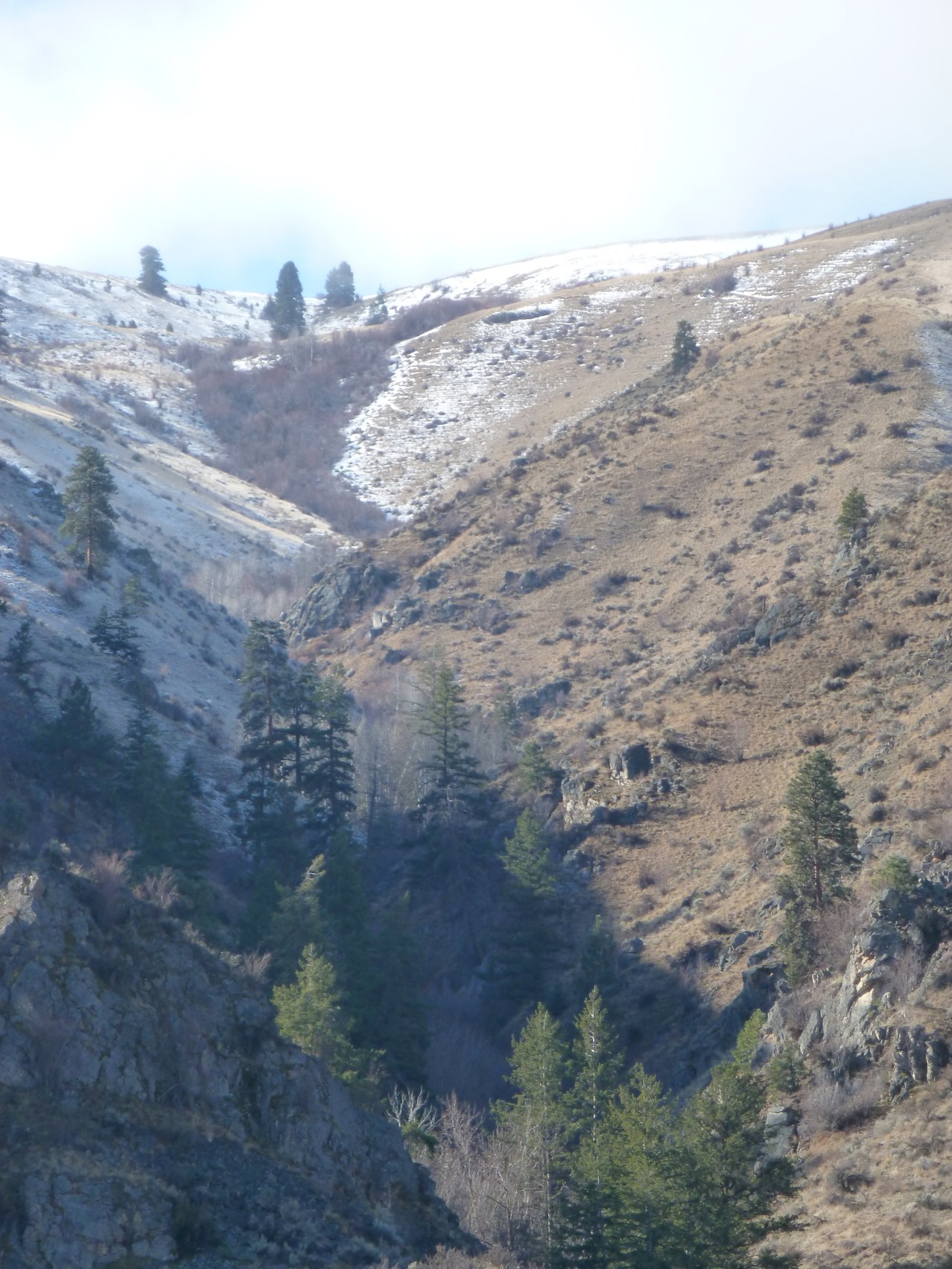
Wenatchi (Pisquouse) Illahie, photo by Harold Rhenisch
Because that’s what it is. If the English language fails to readily express that, it’s because it is largely an urban language these days, still drawing on its pre-urban roots through art. You’re allowed to ask for more respect than that. You are allowed to receive it.

Beaver Bay, Big Bar Lake, photo by Harold Rhenisch
Even if it is indistinct, it can still catch the light. The path is to be within.
Categories: Arts, Earth, Ethics, First Peoples, Nature Photography, Pacific Northwest

 Okanagan Okanogan