


To give you a bit of a road map, we’re walking along here together to Pierre’s Hole, as the first of three critical moents in the transformation of Cascadian culture from a multi-racial and multi-cultural integration into a racial war. It took a bit of effort, but it was achieved in the end, firest at Pierre’s Hole, then at Sutter’s Fort in California, and then at the Whitman Mission in the Walla Walla Country. Right now, we’re at Pierre’s Hole, getting our bearings.

Pierre’s Hole.
Not quite a hideaway these days. Source.
Pierre went to ground in his hole after abandoning Peter Skene Ogden’s 1824 expedition to deny American access to the west by killing every beaver in the Middle and Southern Rocky Mountains. You can read about Ogden’s environmental destruction and social enslavement here.
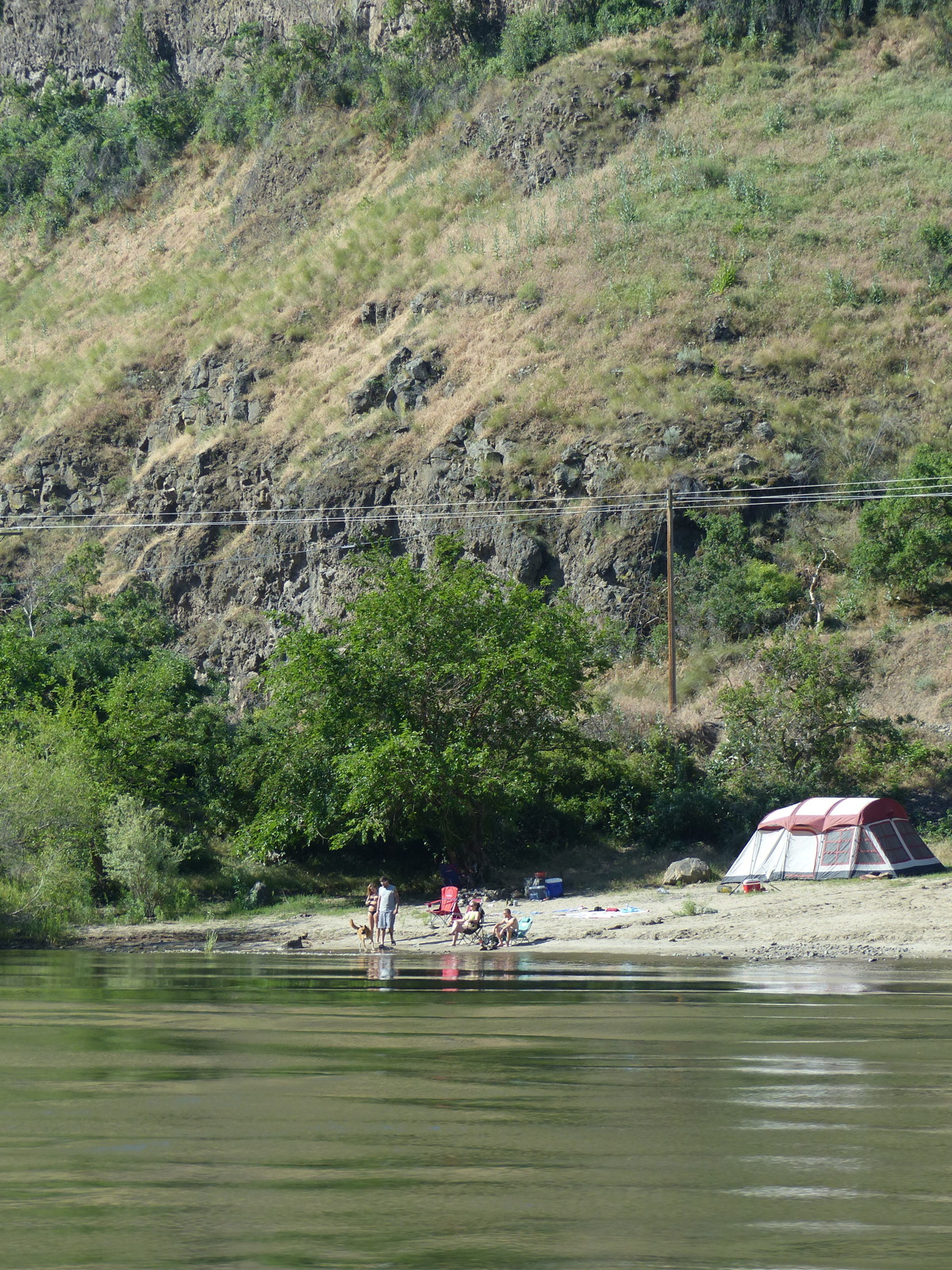
No Beavers on the Snake These Days. Photo by Harold Rhenisch.
Thank you, Peter Skene Ogden
Now, I get it, that doesn’t particularly look like enslavement. In fact, it looks like freedom, but freedom, well, it’s always relative to something else, and that something is slavery. If you get to stop along the road, camp where you like, and contemplate the beautiful flowing river, that’s the freedom of the wealthy and powerful, transferred to the, well, less wealthy and powerful. However, that’s a lot different than having beavers determine the condition of the land as they weave it with the water. If anyone is weaving it with the water, it’s you, but just a little. Swimming is not a cultural thing. Standing at the shore, or in water up to your knees, that’s ok.
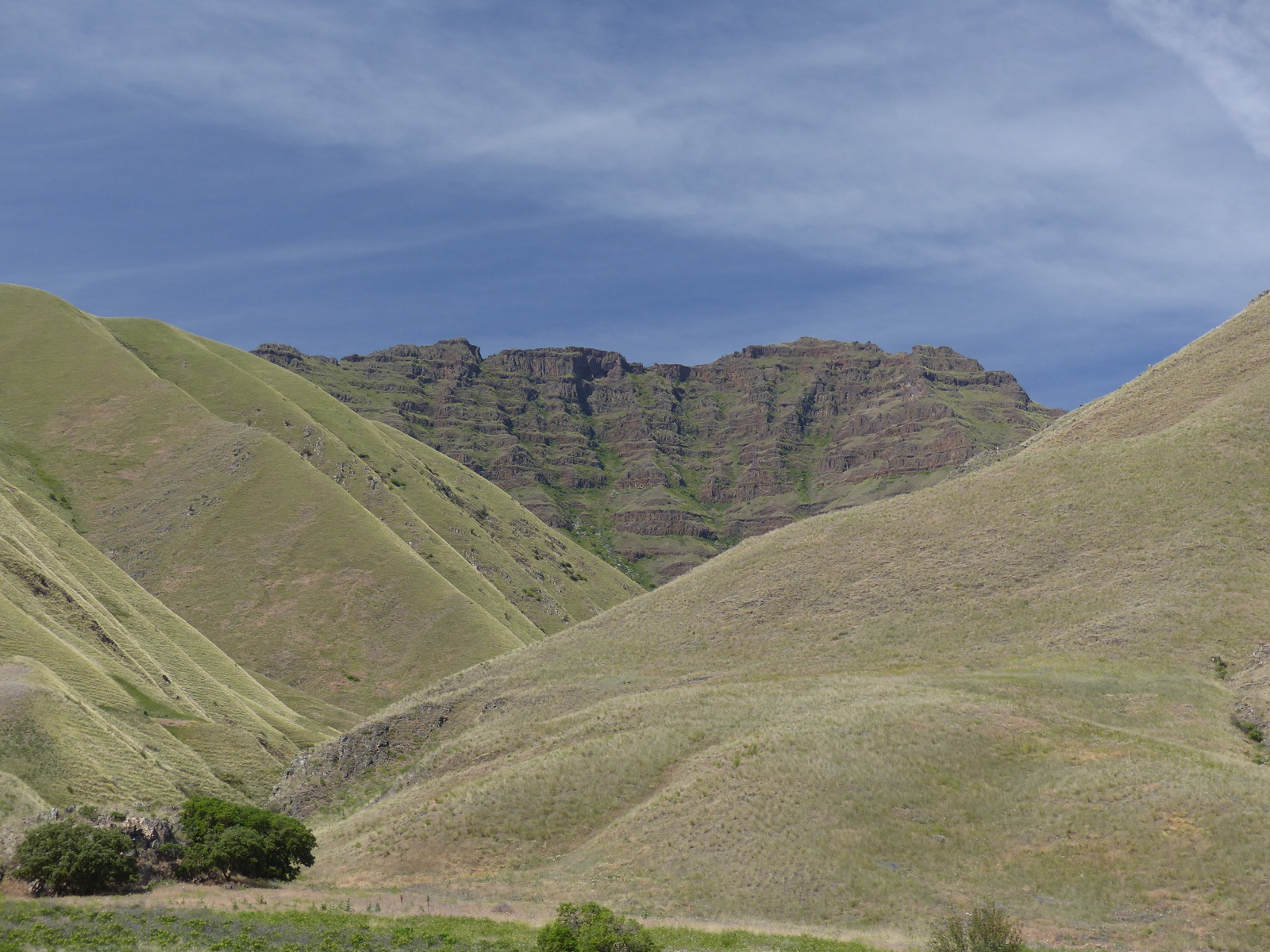
The land, though, is dry. It sheds water, but doesn’t hold it, in a perfect representation of the shedding of beavers that the HBC worked at in 1824, 1825 and 1826. Photo by Harold Rhenisch
What were water captures became water sheds.

The Water Flows Freely in the Snake Country Now. Photo by Harold Rhenisch
That’s the point of freedom and what freedom writes on the land.
Well, except when there’s a dam.
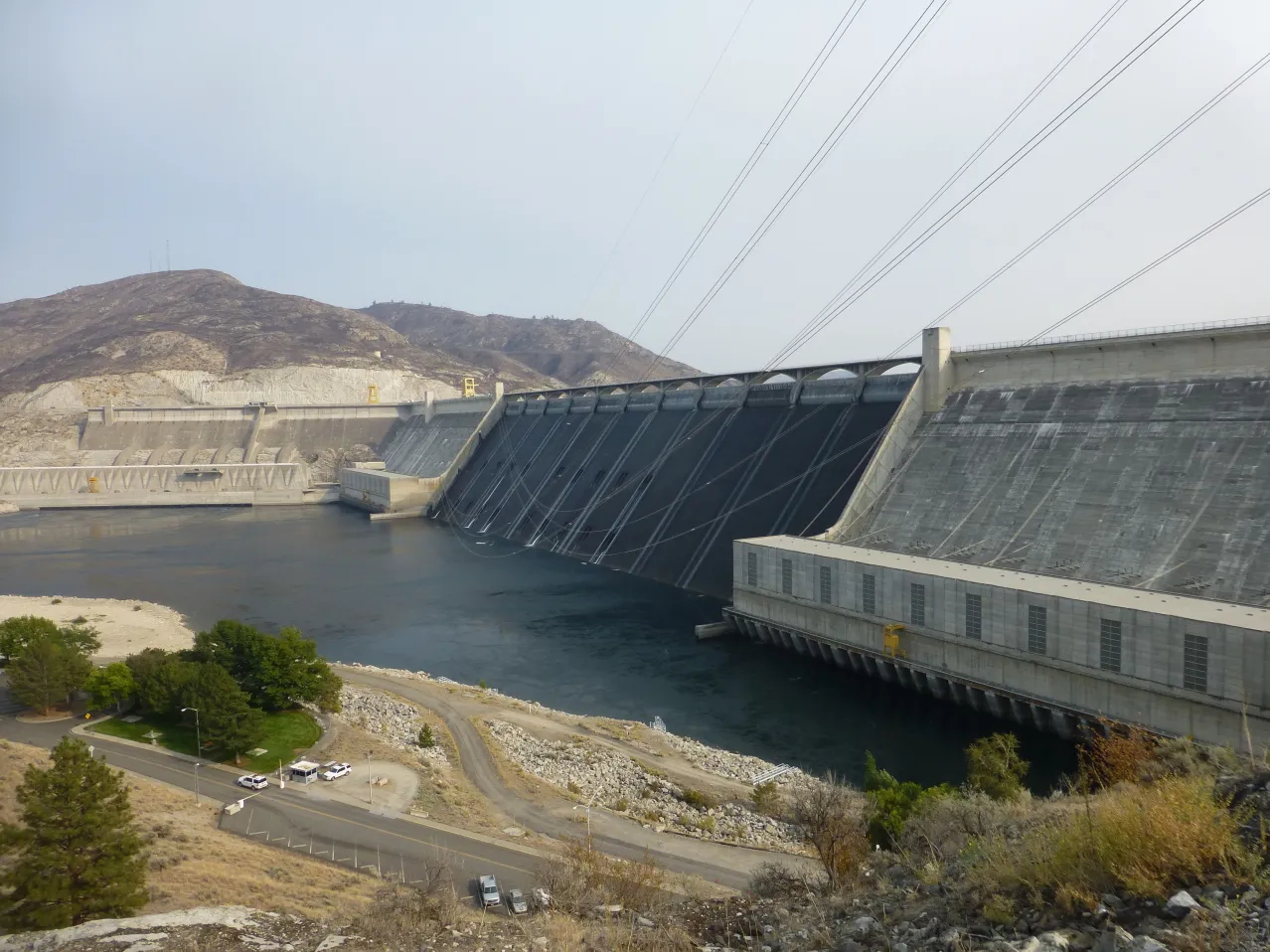
Grand Coulee Dam. Photo by Harold Rhenisch.
In that case, the river is said to flow on through transmission lines, to, well, power stuff. You can plug all the stuff below into the dam, all available at Hero Ace Hardware in Seattle. It’ll do your work for you.

Luxury, man. That’s what that is.
Woody Guthrie sang about it.
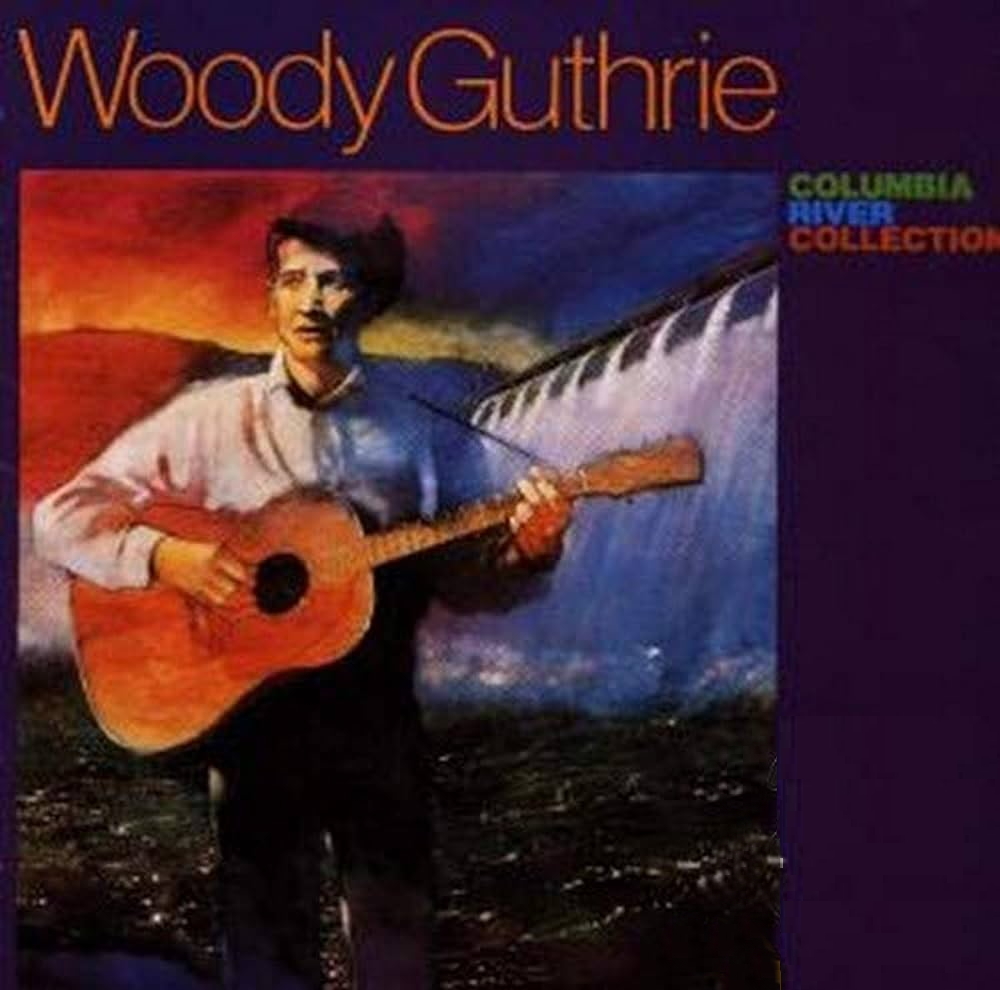
And on up the river is Grand Coulee Dam
The mightiest thing ever built by a man
To run the great factories and water the land
So roll on, Columbia, roll on
These mighty men labored by day and by night
Matching their strength ‘gainst the river’s wild flight
Through rapids and falls, they won the hard fight
So roll on, Columbia, roll on
Sure.
The point was to divide the land from the water, capture the land (like a horse), capture the water (as a free, flowing rope), tame the land with a plow (like a horse), and any people attached to it (like a slave), harness the water (no explanation necessary) and assign ownership to it (like the tamed land), and put it to work (for you,) on the principle that no man can be separated from his labour unless you separate him from the source of his labour (beavers). I think. Something like that.
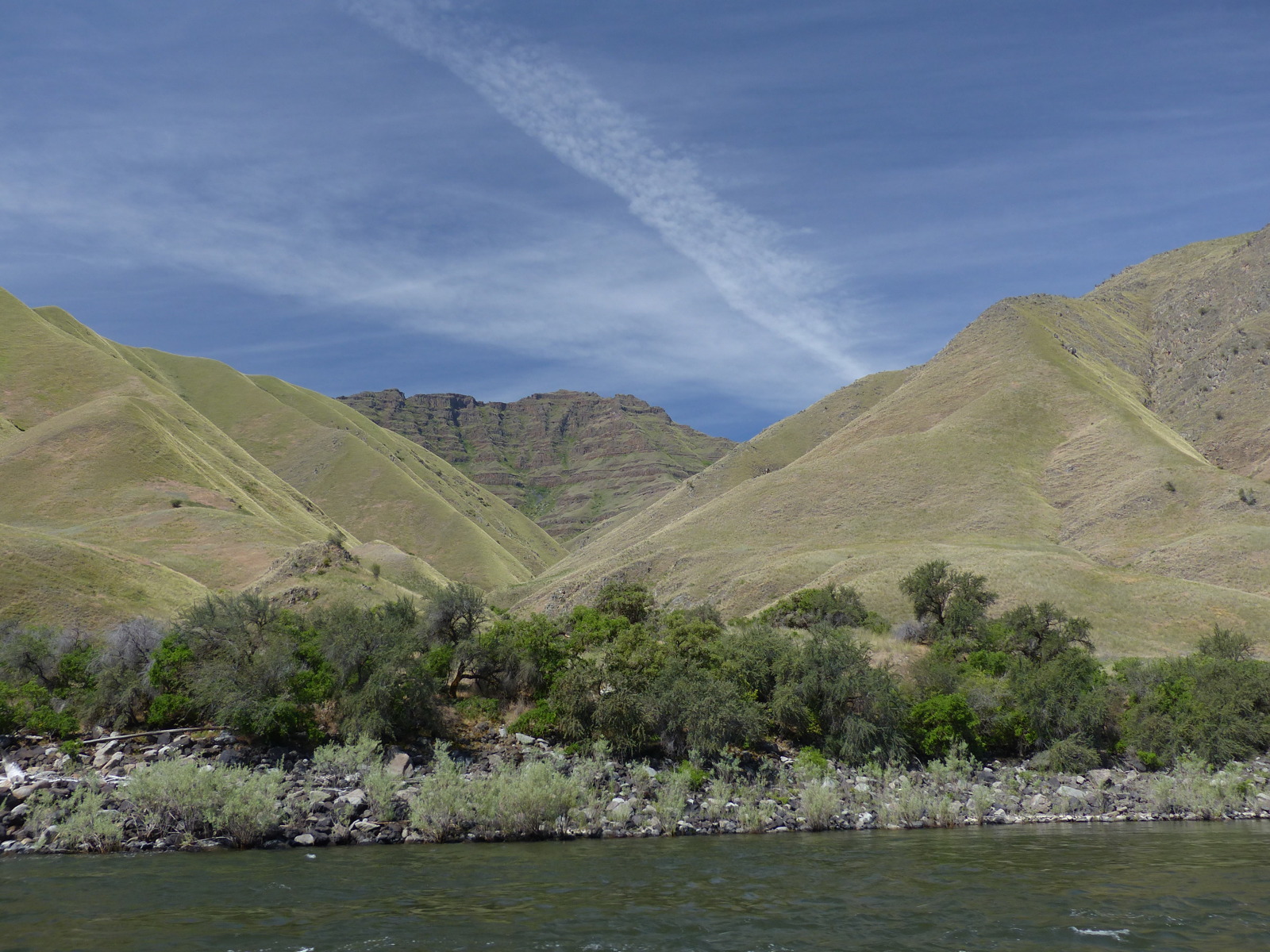
Hence, No Beavers.
It wasn’t just the HBC. The Americans were coming into the country from the East and killing just as many beavers, and shooting it out with frustrated Indigenous people at the same time, people who liked beavers, given that they wove the land and the water together and kept them from separating, and all. There were a lot of fur trade proxy wars.
- Americans using beavers to sell whiskey,
- Americans selling beavers at a discount to lure Iroquois trappers to their side,
- thereby hopefully bankrupting the HBC
- as the Iroquois brought the furs they had trapped along with them without paying off the debts they owed to the HBC for supplying the expeditions,
- the Iroquois using the Americans to regain their freedom as free trappers (a kind of union negotiation) instead of what amounted to indentured labourers among the British,
- the British using beavers to keep the Americans out of Cascadia
- and to force Indigenous people into dependent trade relationships as they’d have nothing to trade with the Americans,
- and Indigenous people using the beavers to buy guns and tobacco to protect themselves from tribes such as the Blackfoot,
- who were using beavers to subjugate other nations, in order to monopolize trade with the Americans
- and maintain their independence.
When you couldn’t actually own the land, seeing as it was tied up for a bit with treaties, you took it out on the beavers, the water people, who lived in the flow…

Leverage
…so that you could harness the flow and deny it to others. All this pressure (and a declining stock in free-flowing land and beavers) led to a shoot-out in 1832 called dramatically
The Battle of Pierre’s Hole.
Really, it was just a shoot-out. Calling it a battle, however, gave some romantic drama to the peril of the American shooters and the Indigenous defenders. Like this:
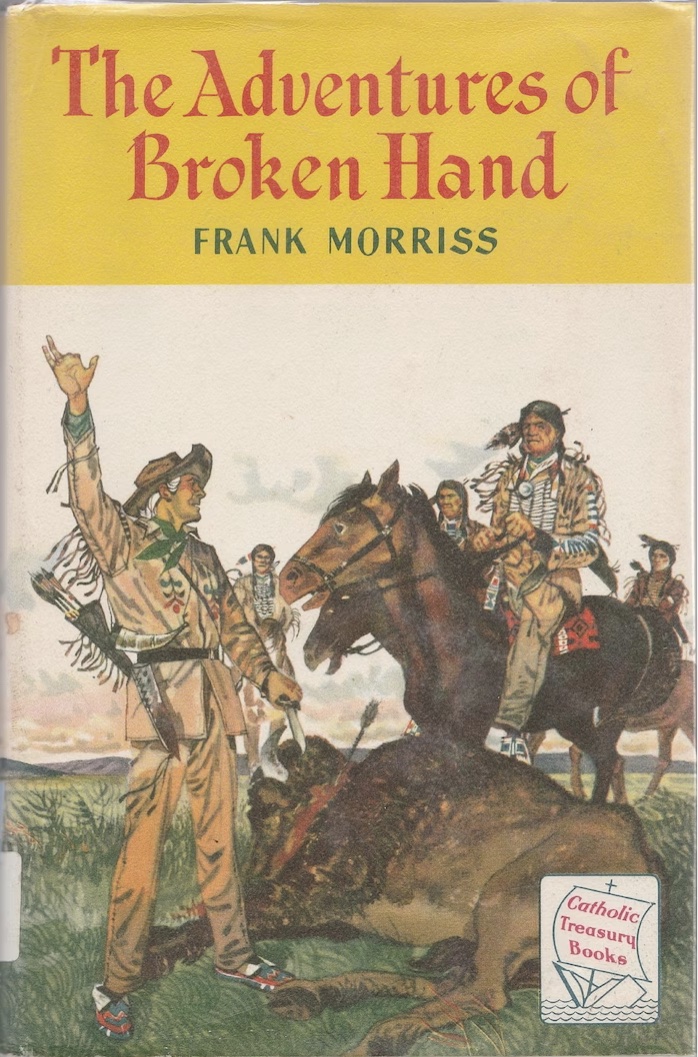
And what might an American Catholic (!) series of books based on the model of German ones much loved in Nazi Germany and then communist East Germany, back in the day? Ah, well.
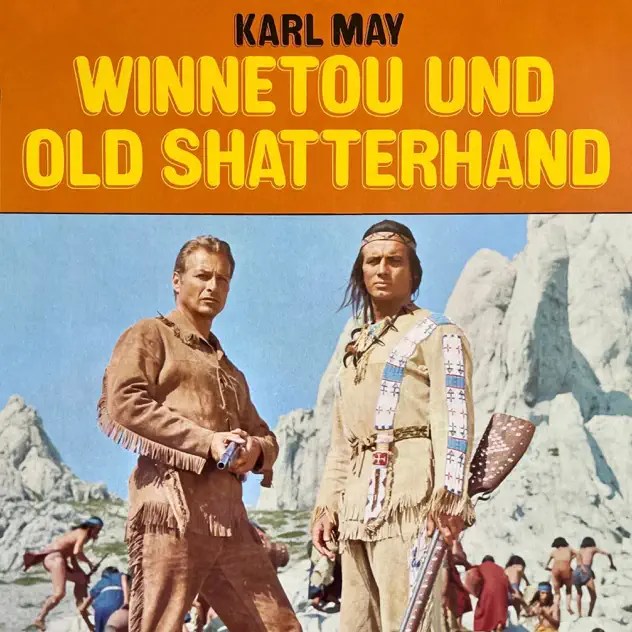
That’s “the indestructible” Old Shatterhand on the left. Winnetou on the right.
… have to do with Pierre’s Hole? Ah.
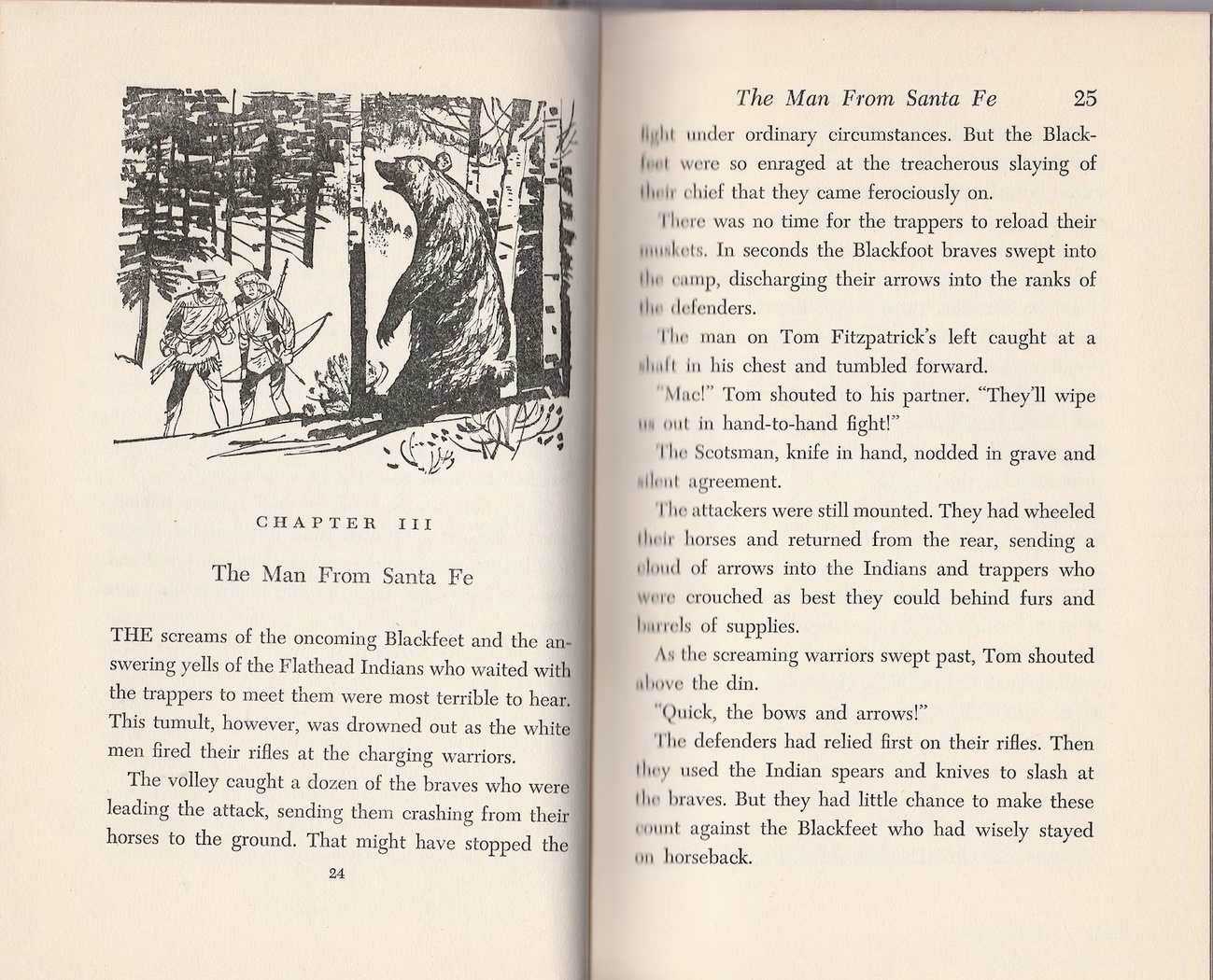
See?Not just adventures with Old Brokenhand but romantic adventure too! Even with a bear, yet.
The shoot-out at Pierre’s Hole (we’ll get back to it later, after setting its context here) is tied closely to Ogden’s expedition: the shooter who started the battle was very possibly Baptiste Dorion, son of Pierre Dorion, who left the expedition with Pierre Tevanitagon (whose hole it was.) A revenge killing, in other words, with Iroquois actors, halfway between Euro-American and Indigenous culture, but maybe not being quite as Catholic as Baptiste’s grandfather Thyery had started out as in Kahnawake a generation before.
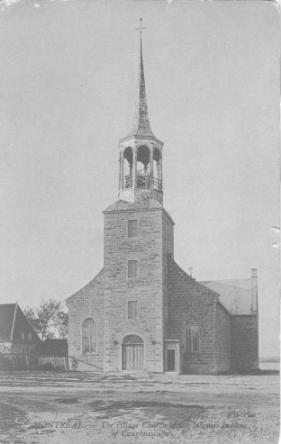
Caughanawaga (Kahnawake) Church.
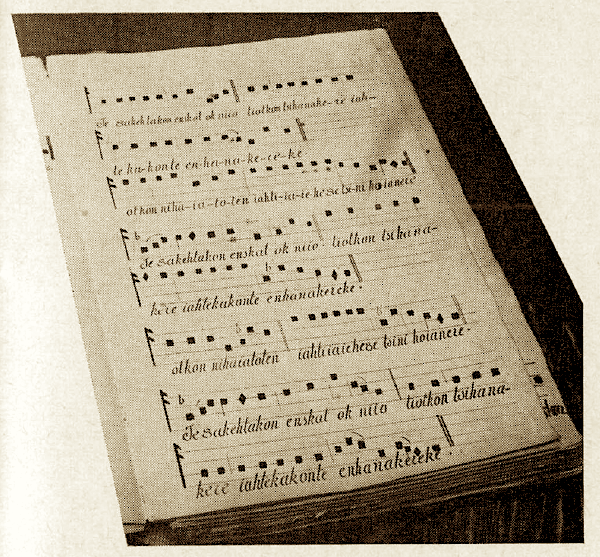
The Asperges Me in Mohawk in Kahnawake.
The Iroquois in Montana had been trying to correct that and would have a tiny bit of bittersweet success a couple years later, but for the moment the order to shoot was given by another Iroquois, Antoine Godin, who had left Ogden’s next expedition in 1825, at the same time Pierre returned to it, cash in hand, and bought his freedom by repaying his debt to the Company. He was revenging Thyery’s death. This was not a very Catholic act. The Iroquois, however, were in a bind. Even though they were ostensibly Freemen, they were as mixed racially as the indentured labourers for the Hudson’s Bay Company. What was at stake on all sides, Indigenous, American, British, Canadien, Métis, St. Louis French, Mountain Men, everyone, was a pre-modern way of life, a way of living that integrated Indigenous and settler worlds. The US was changing. What had been integrated so deeply that people like the Cherokee lived European lives. Grand Chief John Ross was a fully Indigenized, bicultural and bilingual son of a Scots Highlander. He was also Cherokee, and a plantation (and slave) owner.
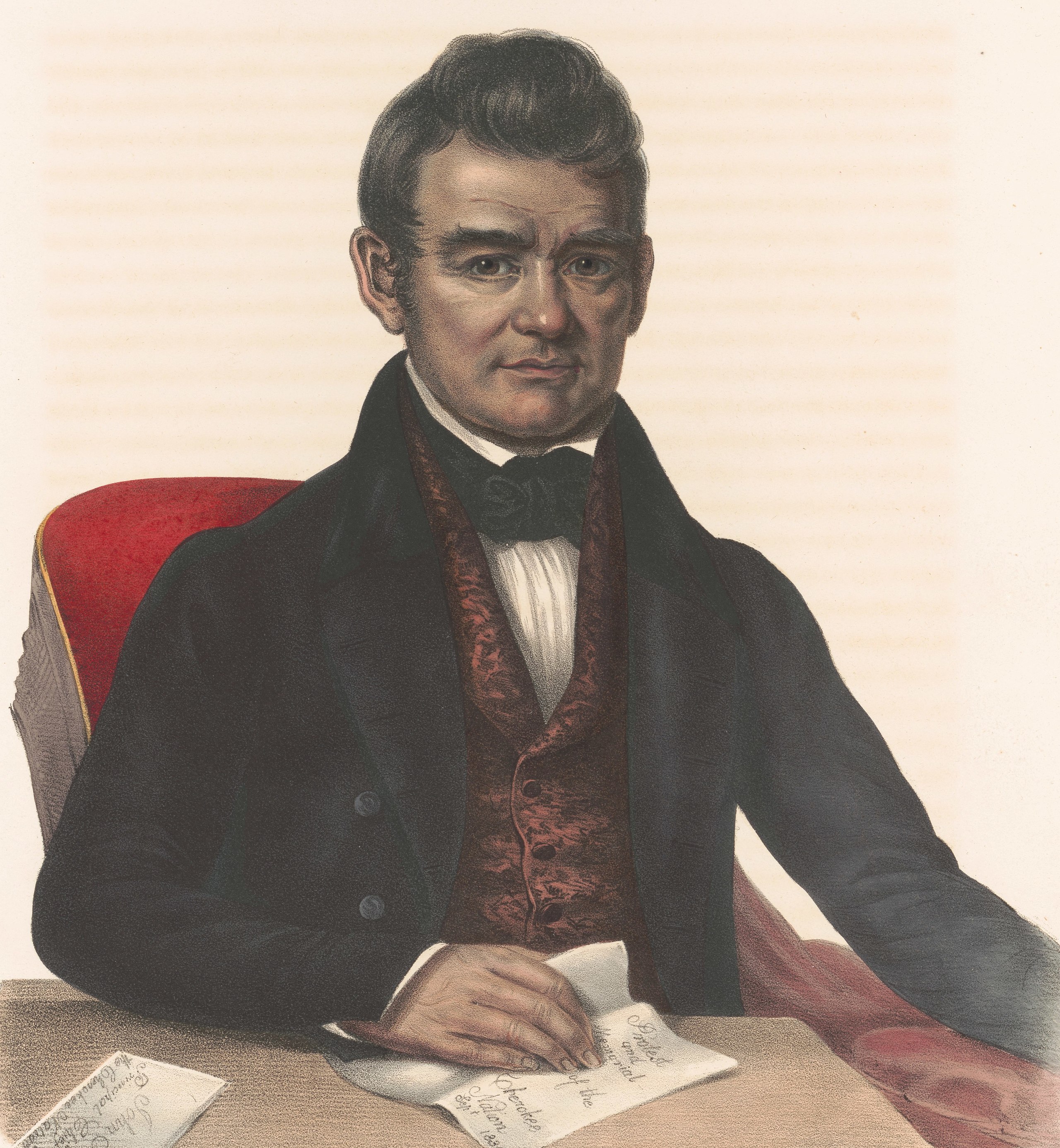
Grand Chief John Ross
The one people who weren’t a part of this game were Blacks, who were relegated to being slaves. Everyone else wanted to make sure they didn’t fall into that terrible hole.
A good place to start on that remarkable history is in Colin G. Calloway’s White People, Indians, and Highlanders:
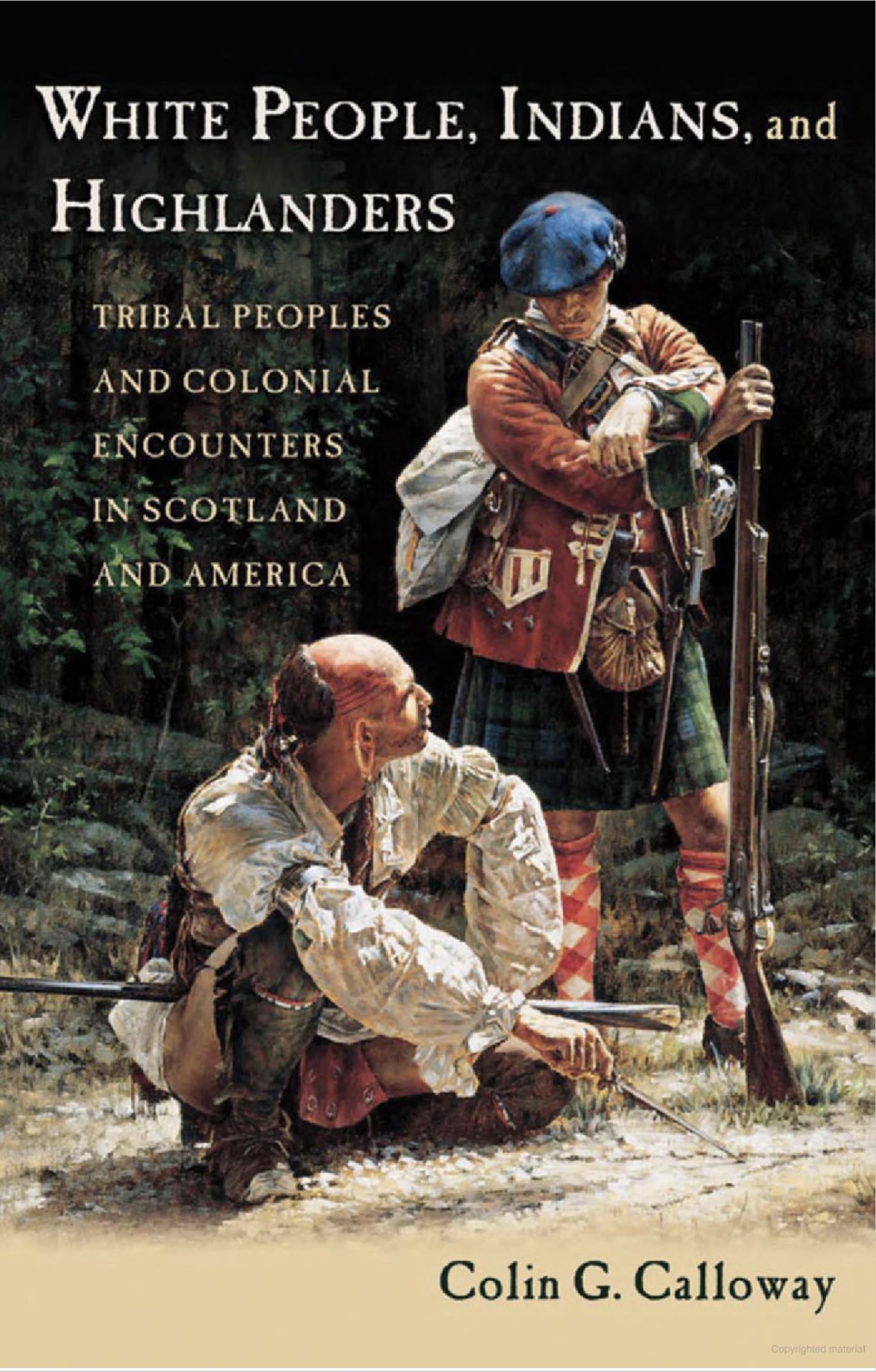
Scots-inspired regalia was a cultural norm.
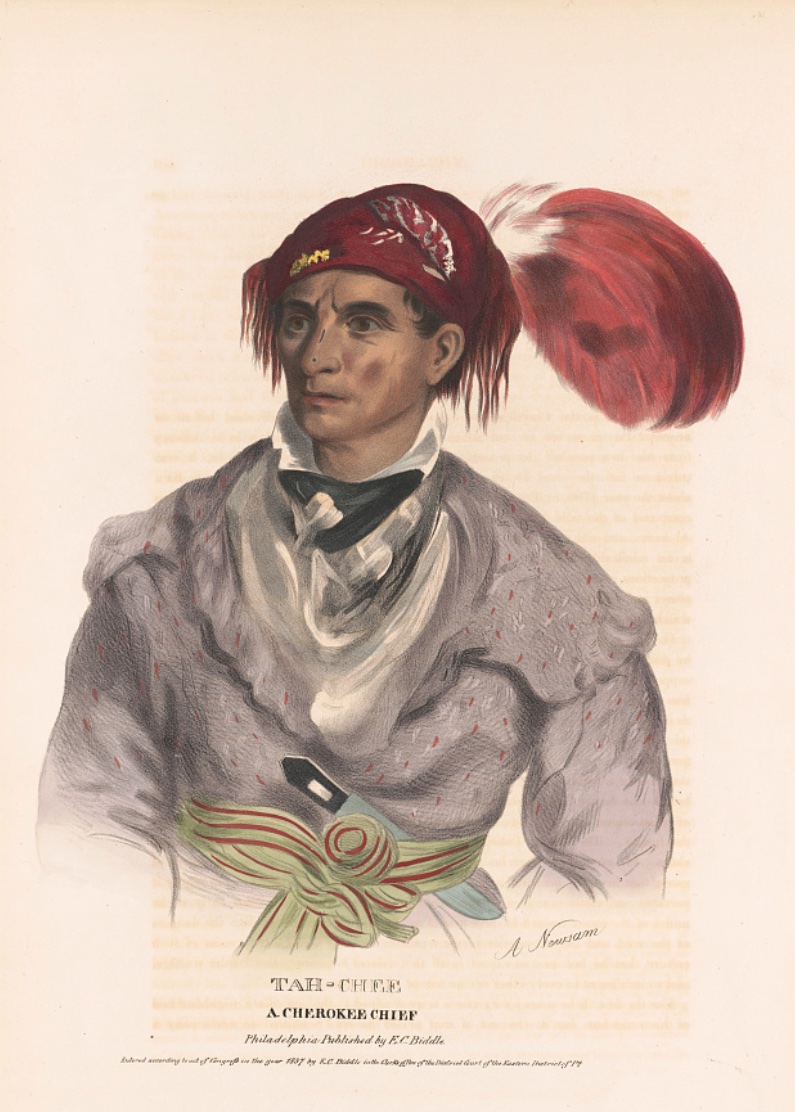
Tah-Chee
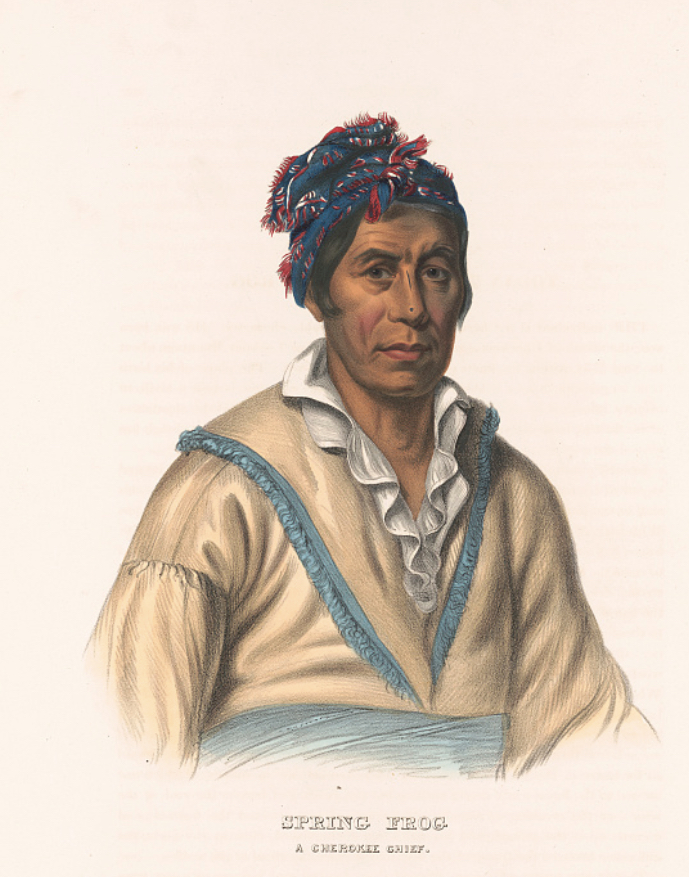
Spring Frog
It was long before Scots Highlanders were considered part of the White race. Really. Read Calloway’s book. In short though, all this is relevant because the 1830 eviction of the Cherokee to the West (2 years before the shoot out at Pierre’s Hole) was enacted in part because they were a mixed race, which meant that it was possible to leverage their identity (like beavers), to break the law an evict them. It was, like today, conspiracy time.

In the 1820s an 1830s (and later), the mixing of races was a perceived threat, kind of on this spectrum:
- 1500s through 1855; Black people are so inferior, they can be used as animals of burden, like horses. Any black man who has sexual relations with a white woman will be summarily hanged.
- 1820s: (North America) Mixed Race Children Are Intellectually Inferior to White Children.
- 1930s: (Germany) One sexual encounter between a German woman and a Jew will cause all her children, forever, to be subhuman, as it will change her genes through her blood.
- 2020s: (Pretty much everywhere, to varying degrees): MRNA vaccine will destroy your immune system through your blood, damning your gene pool to slavery to embedded microchips forever.
In other words, this all isn’t new. Like the Cherokee, the Iroquois, as freemen (independent trappers) were a cross-cultural group, and like the Scots in the old Southeast at the heart of European incursions into the country. They were successful emissaries of French culture after the fall of New France. So were the American French. As Saint Louis Magazine puts it:
“There were multiple cultures coexisting here, and nobody was killed in their sleep,” Fausz says, shaking his head in amazement. “The French viewed Native Americans as allies, lived alongside them, learned their language, traded easily with them. When the French Jesuits named Kaskaskia “Notre Dame de Cascasquias,” they were braiding their faith with the native tradition; by 1721, they were baptizing black babies and marrying slave couples.”
By Pierre’s time, things were starting change. Racialization was becoming increasingly dominant, probably because the sons of the generation that had expelled the Cherokee (and which had been terrorized by the Iroquois in the War of 1812) had moved West, to find their own place in the world, carrying their fathers’ stories of Iroquois scalpings with them. If you would like a guide as to just how much propaganda that was, and how little actual scalping was done, I recommend Alan Taylor’s amazing reading of that war, The Civil War of 1812.
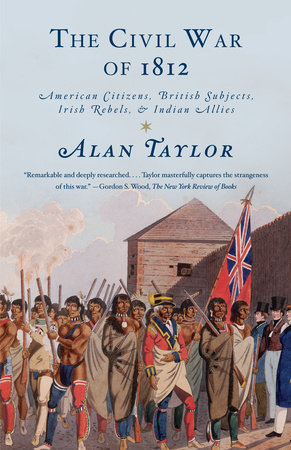
The violence at Pierre’s Hole was just one example of this shift. The illegal expulsion of the Cherokee from their homelands in the southeast was another. People who could were seizing land in a violent game of racialization. People who had been racialized were treated like that land. They were, in short, enslaved.
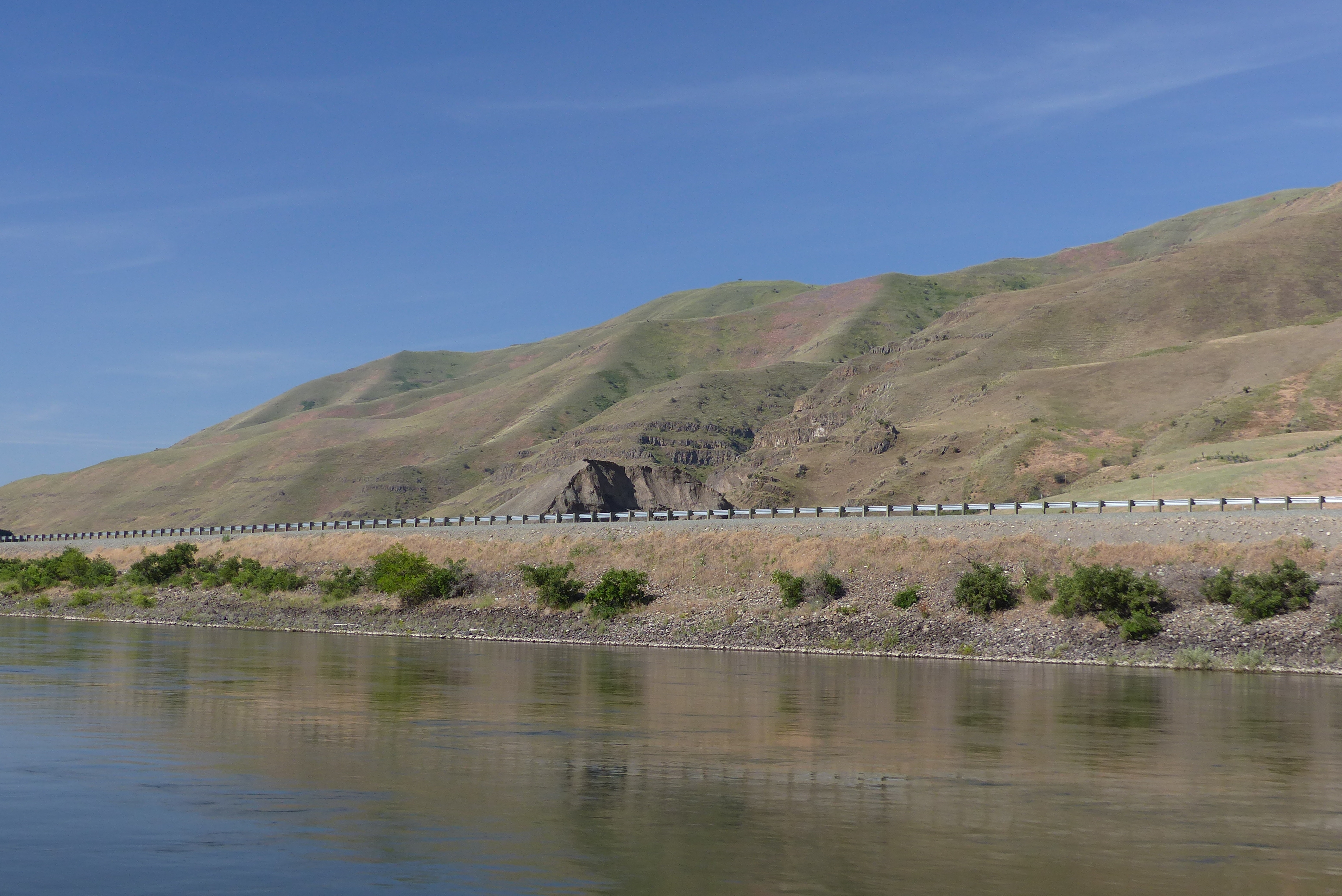
No Room on the Snake for Beavers Today. Photo by Harold Rhenisch
Next: the Iroquois Road to Pierre’s Hole. As a special treat, Henry the X1V will show us his dancing shoes. See you there.
Categories: First Peoples, history, Pacific Northwest

 Okanagan Okanogan
O good. I’m not white. Knew it.
LikeLiked by 2 people