I have worked here since 2011 telling stories of the Earth as preparation for a history of the Intermontane Grasslands of Central Cascadia and the rainswept coast that keeps them windy and dry. Now I am presenting this history, step by step, as I have learned it, often from the land itself. The history of this region includes the Canadian colonial space “The Okanagan Valley”, which lies over the land I live in above Canim Bay. The story stretches deep into the American West, into the US Civil War, the War of 1812, and the Louisiana Purchase, as well into the history of the Columbia District of the Hudson’s Bay Company. In all, the story spans the Chilcotin and Columbia volcanic plateaus and the basins that surround them. In this vast watershed lie homelands as old as 13,200 years (Sequim) and 16,200 years (Salmon River.) That’s how far we are walking together here, who are all the land speaking.




 Okanagan Okanogan
Harold – I’ve sent a few notes to you before, thanking you for these continually inspiring images and thoughts. And I do so again.
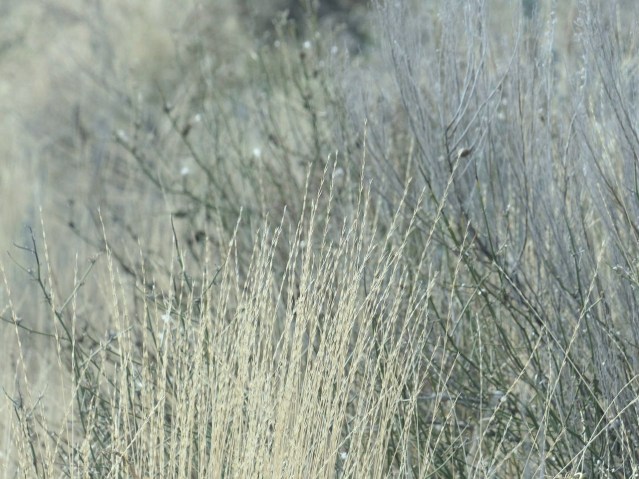
But: I think you are the only person I have ever known to use the term “blue-bunched” wheatgrass for my dear old favourite agropyron spicatum. I have always known it as “bluebunch” wheatgrass. Have I been wrong all this time?
Cheers John Kidder
LikeLike
I am thrilled and sad, John. Thrilled to be corrected. Sad that my beautiful word is just plain wrong. Thanks, though. Truly. Cheers, Harold
LikeLike
pretty sage greens and wheat!
LikeLike
Blue bunch wheatgrass, yet!
LikeLiked by 1 person
yup. blue BUNCH
LikeLike