


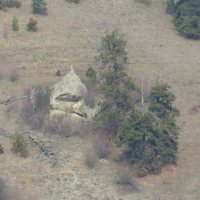

The days are short. By 3 pm there’s little light left. If I had any sense, I’d leave the camera at home. Fortunately, I have none. Look what I learned today at 3:30:
 Light is present. It has a quality. Intensity is not the point. And what did I learn from that? I learned that this is why people once walked out with watercolours and tried to capture the light. A camera can’t. What a camera captures is the photographer. I mention all this, because this land was largely settled by Europeans in the age of watercolours, just before and just after the Great War, when to go out and get the palette right, and to capture a colour that had never been in paint before, was deemed worthy of a civilization. This relationship between people and the earth was deemed to be artful. That war put the end to all that, but did it, really? No, technology did. Here’s a view over the lake 10 minutes before the view above…
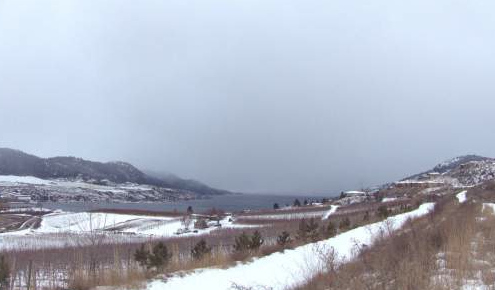 Okanagan Landing
When I made this image, the lake was glowing. The camera could catch its colour, but not its light. I had to be there for that. When this stretch of 135 kilometre-long Okanagan Lake was first settled by Europeans, the steamboats that carried traffic were launched from this section of the lake. In that age, watercolour, and its images of light, was culturally equal to steam, and both contributed to bringing Europeans here. The light and the water have been forgotten, and because all humans normalize their own experience, it is as if it was never there, but it’s there. There is a path through it to the earth, but it’s not an intellectual path, nor is it a path of power. Canadian society is crying out for what lies there, but Canadian society will never find it. Only people will, on their way home to the earth from the great war.

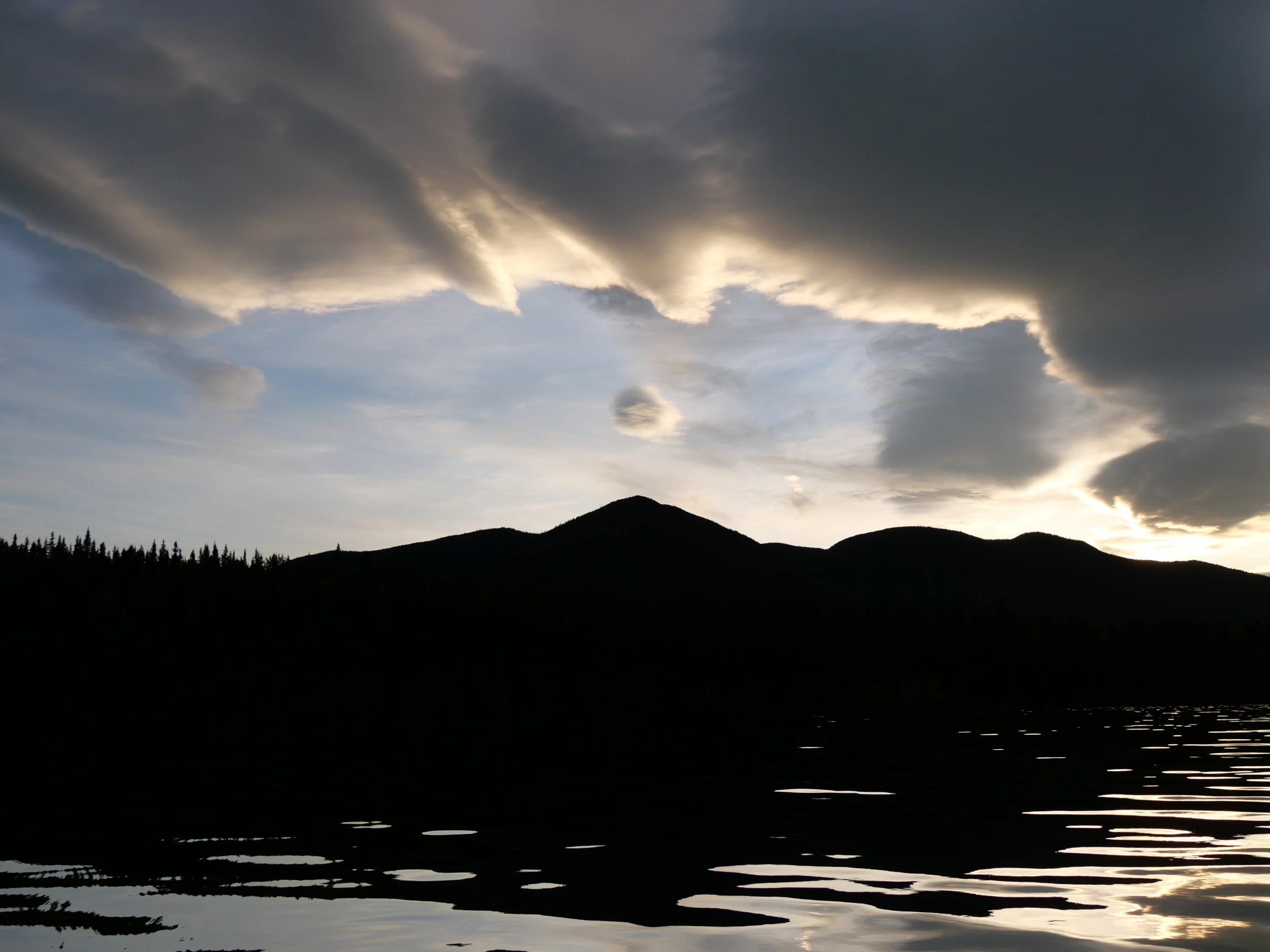


Technology has robbed us of many simple pleasures.
LikeLike
The words here that capture me are “… on the way to the earth from the great war.” Powerful… Thanks!
LikeLike