





To see the last ice age up close, all you need to do is go to the mountains on the northern fringe of the desert that stretches from Central Mexico through California, Oregon, Washington and into British Columbia. There, you’ll find the glaciers. They’re liquid now, but they haven’t gone anywhere. Here’s a winter view…
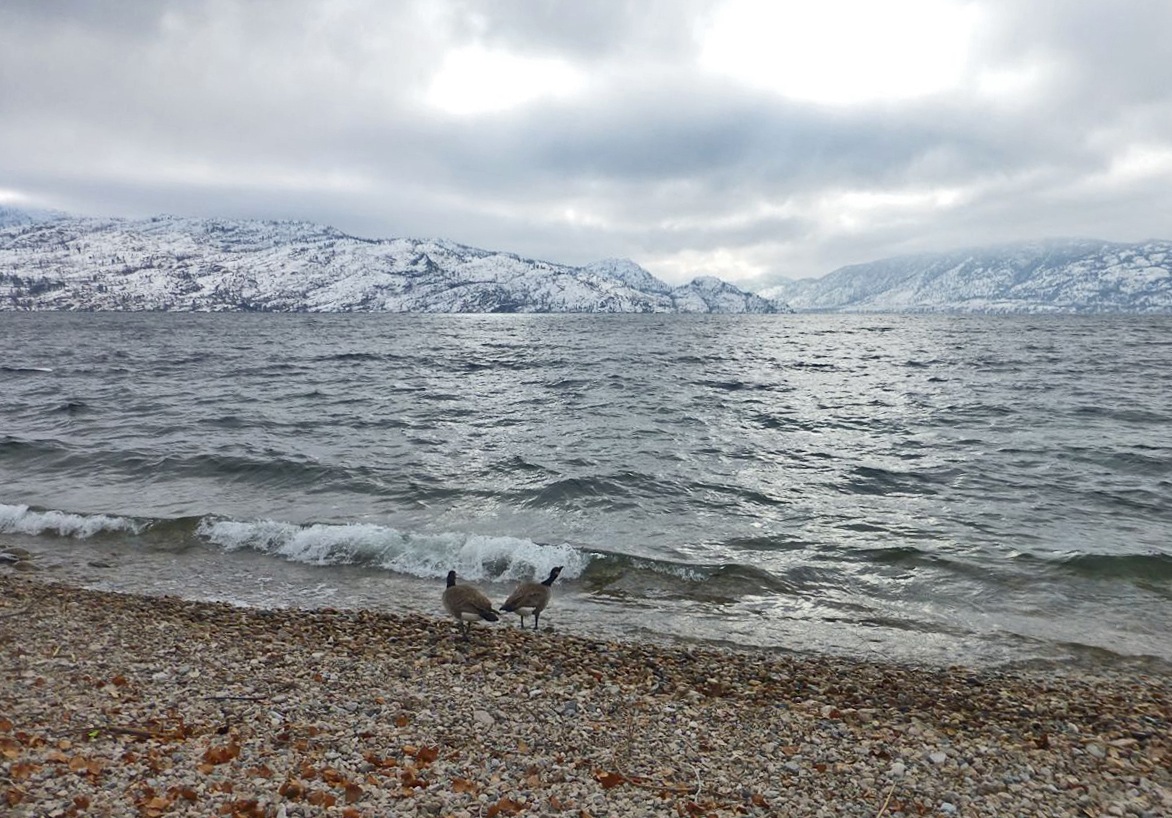 Canada Geese Barking at the Glaciers
“Get back! Get back! Get back!”
Categories: Industry

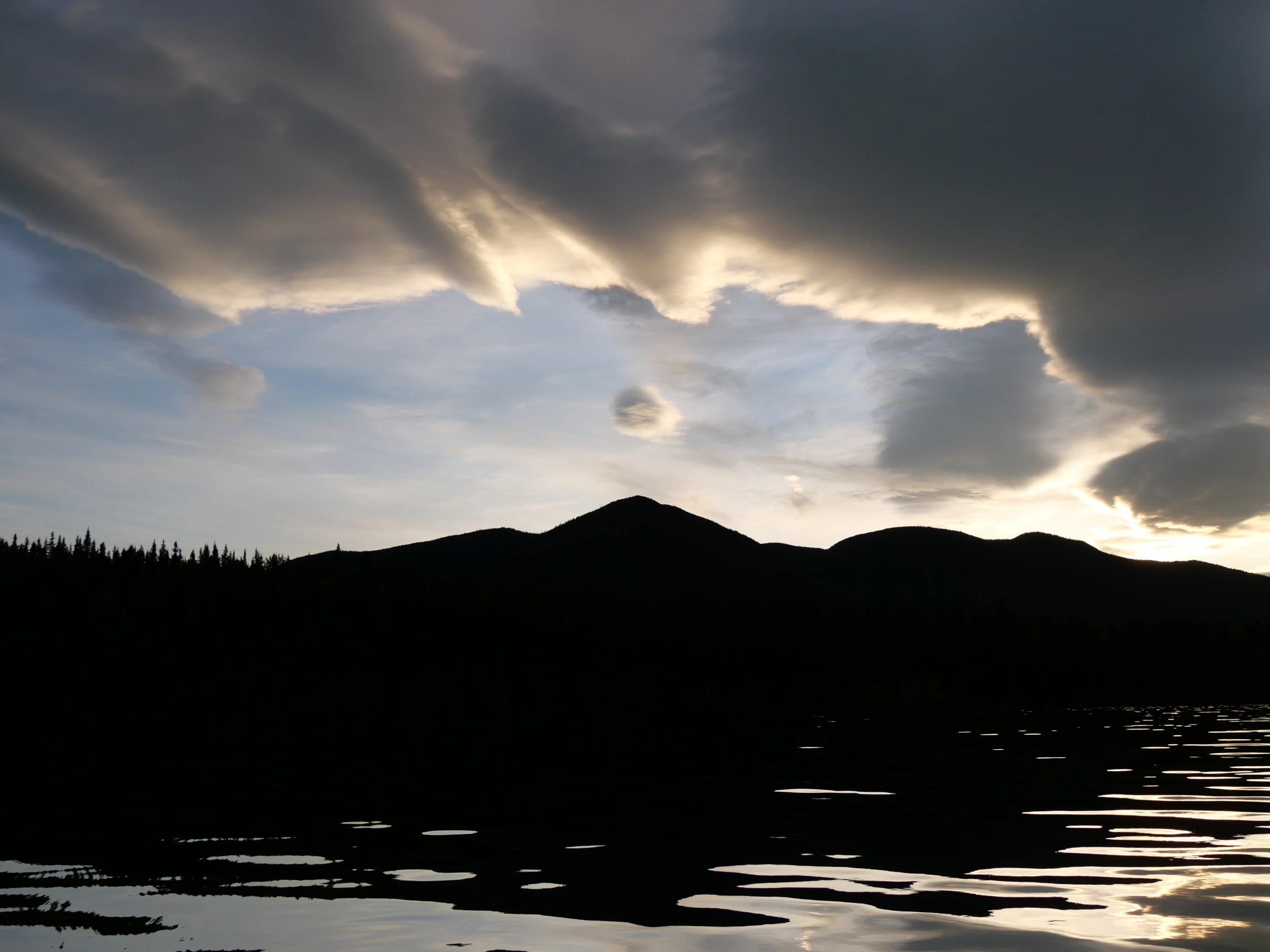
 Okanagan Okanogan
http://en.wikipedia.org/wiki/List_of_glaciers_in_Norway
LikeLike
Thanks for the glaciers. It sounds like the geese were successful and sent them to you! For interest’s sake, not far to the west this corner of the earth has glaciers aplenty, too, including what because of altitude and extreme close proximity to the sea might be some of the last glaciers on earth, should mass glacial melting occur. The ones I’m talking about are the big continental glaciers (here they were two miles deep), that ended in the Columbia Basin to the south. When they melted 10,000 years ago, this valley, for about 200 kilometres, was one of numerous giant lakes created by ice dams between the mountain ranges of the North Pacific Coast. When they drained, suddenly and extremely rapidly, they created the cataclysmic landforms of the present, such as the Scablands of Eastern Washington and the Fraser River Canyon. The large lakes today, including 140 km long Okanagan Lake in the above image, are glacial water. Okanagan Lake is rather unique among them, as in its case all this fossil glacial water lies within a near-desert. There are continued demands to use it for irrigation and domestic water supplies, because common understanding does not understand that it is not replenish-able. <>
LikeLike