




Back before 1920, watercolour painters used to paint landscapes to portray previously unnoticed colours they had seen in nature. That was the age in which the dominant European agricultural images of the Canadian Okanagan were established, which include this heavily photoshopped image of Blue Mountain Vineyard in Okanagan Falls, or even Luciana Alvarez’s equally arresting and equally colour-drenched paintings. Originally, though, the idea looked like this:

Okanagan Falls Watercolour
The colours here are largely brown and delicate. To see their balance, one has to stop and look and see.
Brown remains the forgotten colour of the valley. Here it is in a subtly different palette:

Poplar Leaves After an Early North Okanagan Snow
These leaves tell a story less of colour than of light.
In the low, November light, brown hues have the ability to change as much in the changing sun as do the blues, greens, reds, and yellows of summer. Here, for instance:

Tumbleweed at Dusk
Out of palettes like the glory of this humble weed growing at the side of a vineyard access road, a civilization came to this land and attempted to renew itself — just as it does now with its vineyards.
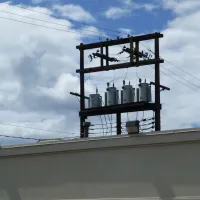
Beauty occurs, said the ancient Greek philosopher Plato, when things are contemplated in balance. Having arts that explore both sides of our colonial legacy, the bright colours that we have inherited from early orchard packing labels, and the subtler colours of the watercolour traditions, should bring that balance — that beauty — closer to us all. Even here:

The Brown Face of Power
Vernon
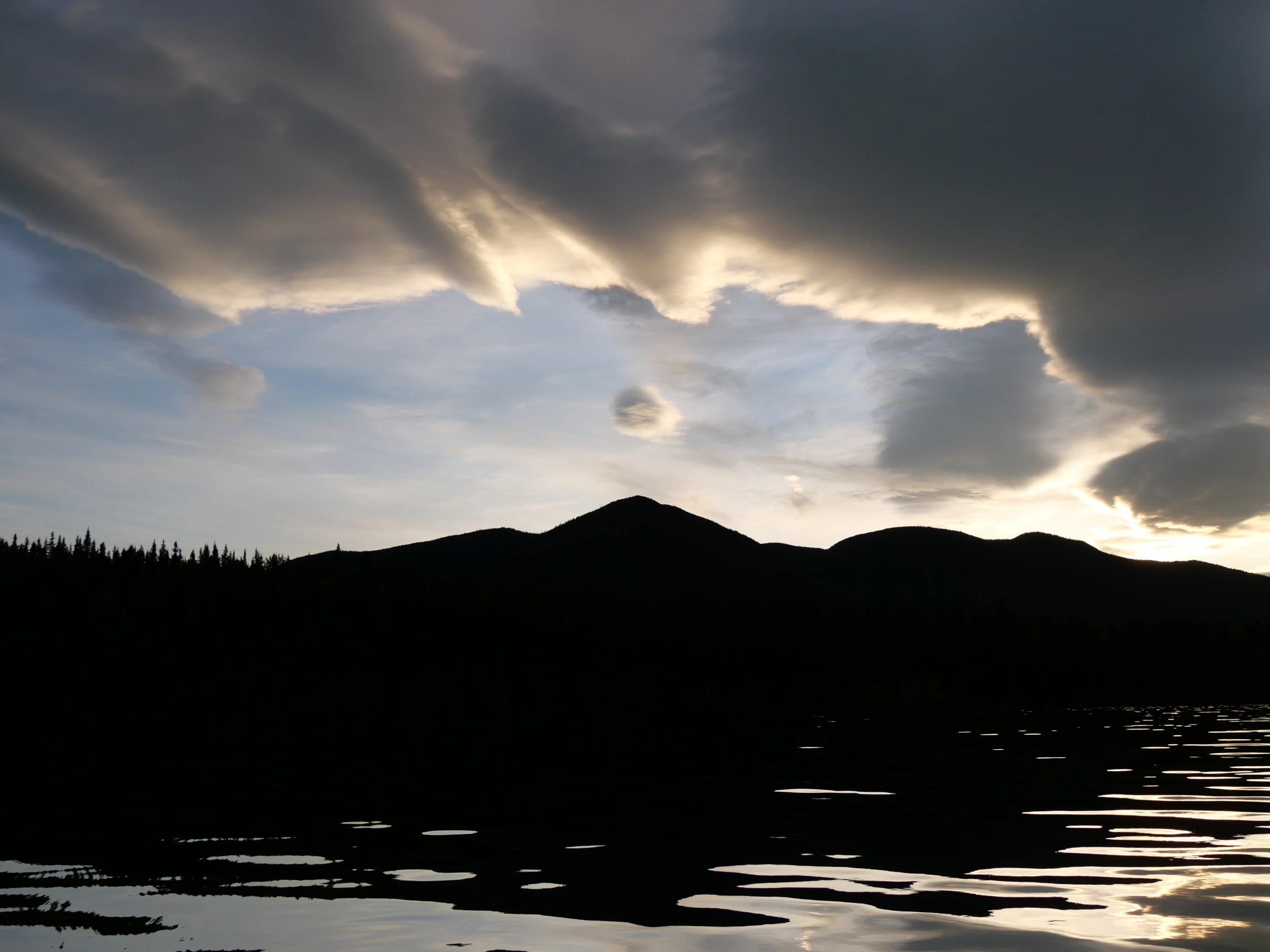
This post is a celebration of the low rays of the light at this season and at the subtle but forgotten joys of living on seasonal earth. I hope we will develop entire artistic traditions out of this light. Summer is not our only story.

 Okanagan Okanogan