




Poetry, Poetics and Scholars of Place in the Heart of Cascadia
Saturday March 1 & Sunday March 2, 2025
Room: Art 366
Arts Building, UBC Okanagan Campus, Kelowna

Asotin
Presenters:
- Vivek Sharma • Nepal
- Soha Aftab • India
- Slava Bart • Kazakhstan
- Michelle Poirier Brown • Vernon
- Emma Carey • Kelowna
- Don Gayton • Summerland
- Sean Arthur Joyce • New Denver
- Christine McPhee • Penticton
- Cole Mash • Kelowna
- Lorin Medley • Comox
- Jeanette Merrick • Summerland
- Astrida Neimanis • Kelowna
- Paul Nelson • Seattle
- Francisco Peña • Kelowna
- Harold Rhenisch • Canim Bay
- Erin Scott • Kelowna
- Kelly Shepherd • Edmonton
- Sharon Thesen • Lake Country
- Stephan Torre • Saltspring
- Amy Wang • Kelowna
For Day 2, please click here:
Day One!
Saturday, March 1, 2025

The Prince’s Cabin, Waiilatpu’u
8:00
Welcome. Set-up. Book tables. Coffee, Tea & light snacks. Come when you can.
9:00
Welcome
Slava Bart
A child of the post-Soviet diaspora, Slava left Israel for Kelowna in 2023 to explore the social and political dimensions of this biosphere in a time of global change.
Slava is completing an MFA in Creative Writing at UBCO.
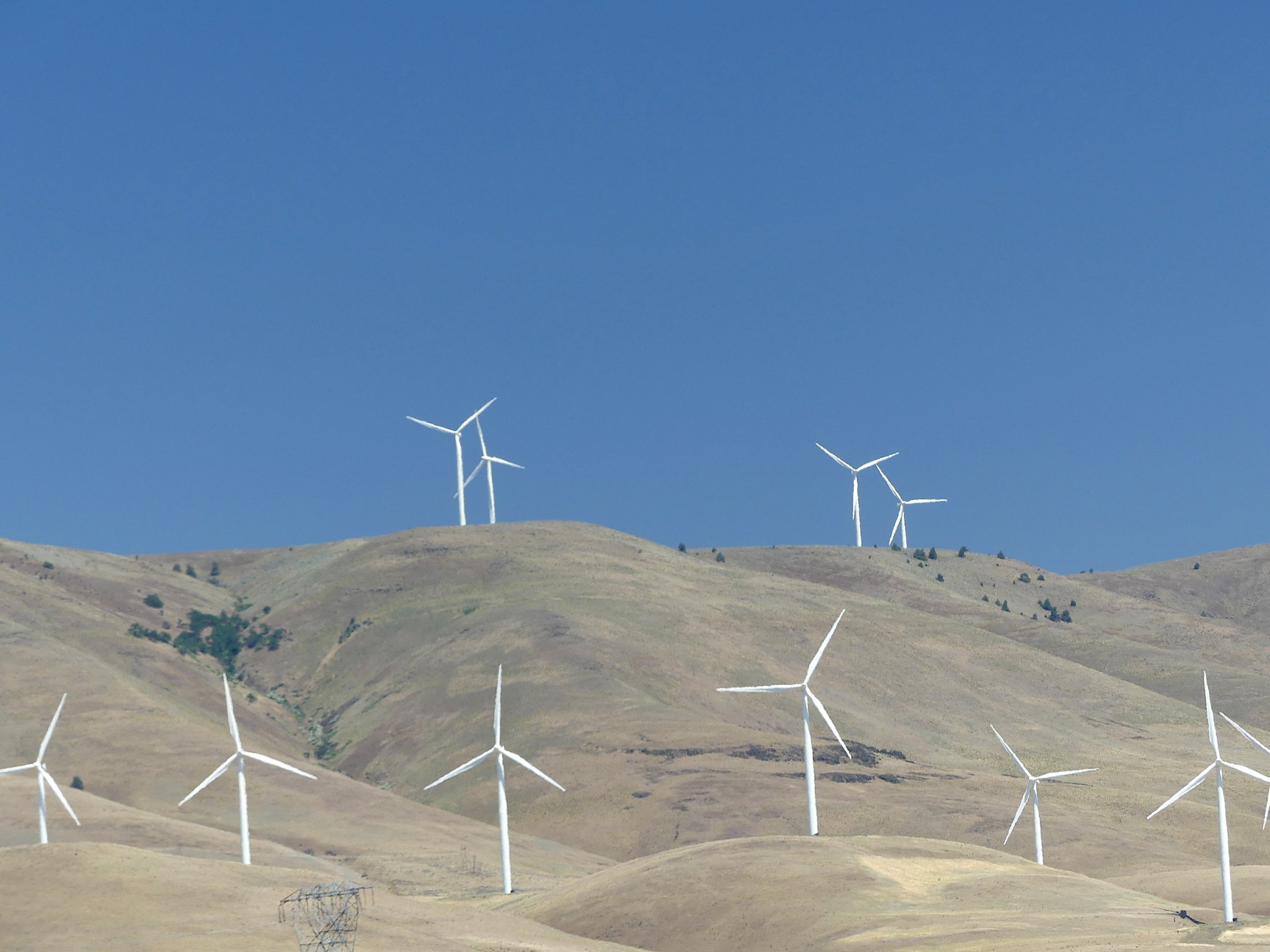
Farming near Marysville.
9:10
Introducing Cascadia
Harold Rhenisch
An introduction to Cascadia’s natural and social history, based on 15 years of extensive travel throughout the region.
Harold is the author of The Salmon Shanties: a Cascadian Song Cycle, Out of the Interior: the Lost Country, The Wolves at Evelyn: Journey Through a Dark Century, Motherstone: The Volcanoes of the Cariboo Chilcotin, and many more. He lives above Canim Bay.

The Ancestor Pahto. Yakama Nation.
9:30
Cascadian Mind & The Cascadian Saturation Job
Paul Nelson
Paul will address how to allow one’s mind to be more of the place than of the intellect that has abstracted us from what is real and how to take the notion from Charles Olson of a “saturation job” to create a project centred around one event or events in the history of the bioregion and to write about them in a “use of speech at its least careless and least logical” in a way that Brenda Hillman describes as “experimental lyric form.” Paul will develop this conversation over two days, and will discuss the role of lineation.
Poet/interviewer Paul E. Nelson founded the Cascadia Poetics LAB & the Cascadia Poetry Festival. Books include DaySong Miracle (Past 62) (2024); Cascadian Prophets (Interviews 1999-2023) (2024); Haibun de la Serna (2022); A Time Before Slaughter/Pig War: & Other Songs of Cascadia (2020); American Prophets (interviews 1994-2012)(2018); American Sentences (2015, 2021); A Time Before Slaughter (2009). Co-Editor of Winter in America (Again: Poets Respond to 2024 Election (2025, Carbonation Press); Cascadian Zen Volume I: Bioregional Writings on Cascadia Here and Now (2023, Watershed Press), Make it True meets Medusario (2019) (Spanish & English) and other anthologies. He’s Literary Executor for the late poet Sam Hamill and lives in Rainier Beach, alongside dxʷwuqʷeb Creek..

10:00
Break.
Conversation. Coffee & Tea. Ripples.

10:20
Performing Cascadia
Erin Scott
Erin Scott will read from Atrophy, her long poem that won the John Lent Poetry and Prose Award in 2019. The poem moves from the Okanagan and down through the pacific north west on a road trip to San Luis Obispo, California. It contemplates diaspora, land relations, and loss. She will discuss the work and its relation to and within the Cascadia region.
Erin Scott holds an MFA in writing and performance and is currently a PhD student in digital arts and humanities at UBCO. Her work is in time based mediums across forms and asks complex questions around identity, land, and language.

10:40
Living Land
Stephan Torre
A farmer and gifted performer of poetry, Stephen will take us into the performance the land makes on people as they perform serious rituals with the land.
Stephan will read from his selected poems, Red Obsidian.

11:10
Living Through Fire
Sean Arthur Joyce
Sean Arthur Joyce will speak on his experience living through the Slocan Valley Fire.
Sean is a poet and columnist. His latest book of poems is Pole Shift. Look for him speaking from it tomorrow, in a discussion of climate as a solar phenomena.

Fire Above Canim Bay.
11:45
Q & A on Human, Land & Environmental performance with Erin Scott, Stephan Torre & Sean Arthur Joyce.
12:00
Lunch Break
Keeping our bodies in the conversation.

12:50
Living Water
Astrida Neimanis
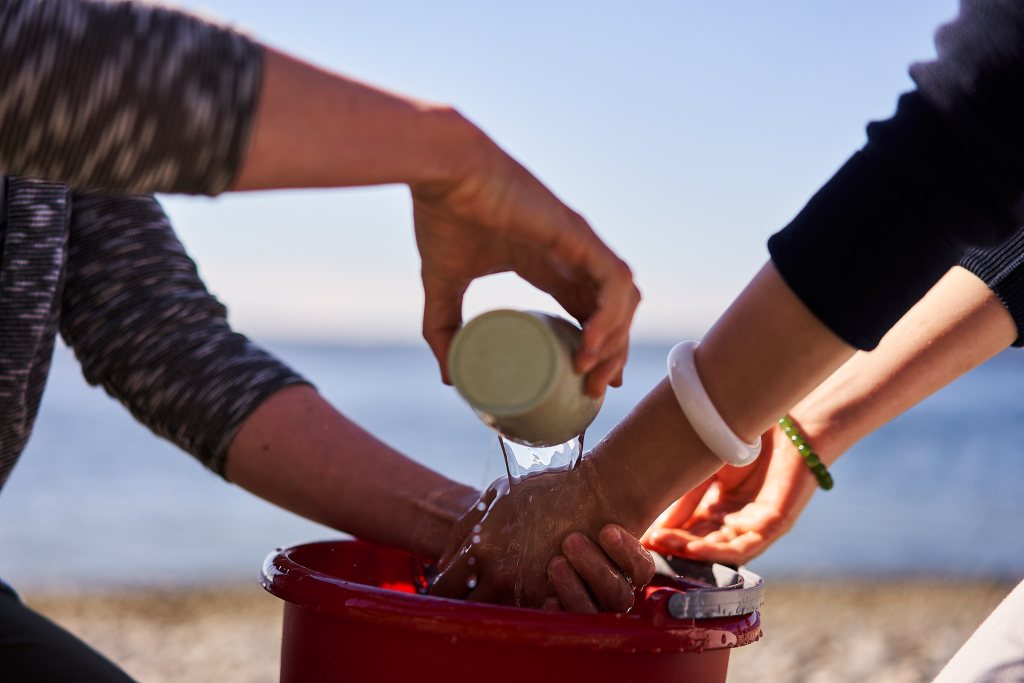
Astrida Neimanis will read excerpts from her project Learning Endings (with artist Patty Chang and marine scientist Aleksija Neimanis). An arts-sciences collaboration in part situated on the shorelines of Cascadia, “Care for the Stranded” examines grief, care, time and multispecies oceanic kinship in a time of many endings.
Astrida Neimanis is Canada Research Chair in Feminist Environmental Humanities at UBCO. Working at the intersection of feminism and environmental change, her research focuses on bodies, water, and weather, and how they can help us reimagine justice, care, responsibility and relation in the time of climate catastrophe. She is also director of The FEELed Lab
1:20
The Salmon Shanties
Harold Rhenisch
Harold will read from his new book of long poems, The Salmon Shanties: a Cascadian Song Cycle. These are reconciliation songs, based on drum songs, fancy dances, Sámi music and film scores. The salmon are singing to us, calling us home.
Harold Rhenisch is a poet and horticulturalist from Canim Bay, the Similkameen and the Kwan Kwan Illahie of Syilx territory. This is his 33rd book.

1:50
Civic Fires
Sharon Thesen
Sharon Thesen will discuss her two “fire poems” following evacuations in 2003 and in 2023. The former long-form poem was published in The Good Bacteria (House of Anansi Press) in 2006; the latter, “Day Song,” was published in 2025 as a chapbook by Vernon’s Broke Press. The poem series “The Fire” describes my experience of the fire itself and its aftermath; while “Day Song”‘, a poetry assignment from a Cascadia Poetics Lab workshop, hardly mentions the fire at all, but rather social and civic life and questions of innocence and beauty.
Sharon Thesen is a poet, a scholar of the long poem, and a professor emerita from the University of British Columbia. She works as a voice for energies passing through and describes poetry as “a spiritual second-sight, or, as someone, I forget who, defined it: one last look at the ducks.”

2:10
Q&A on Living Forms with Astrida Neimanis, Harold Rhenisch & Sharon Thesen.
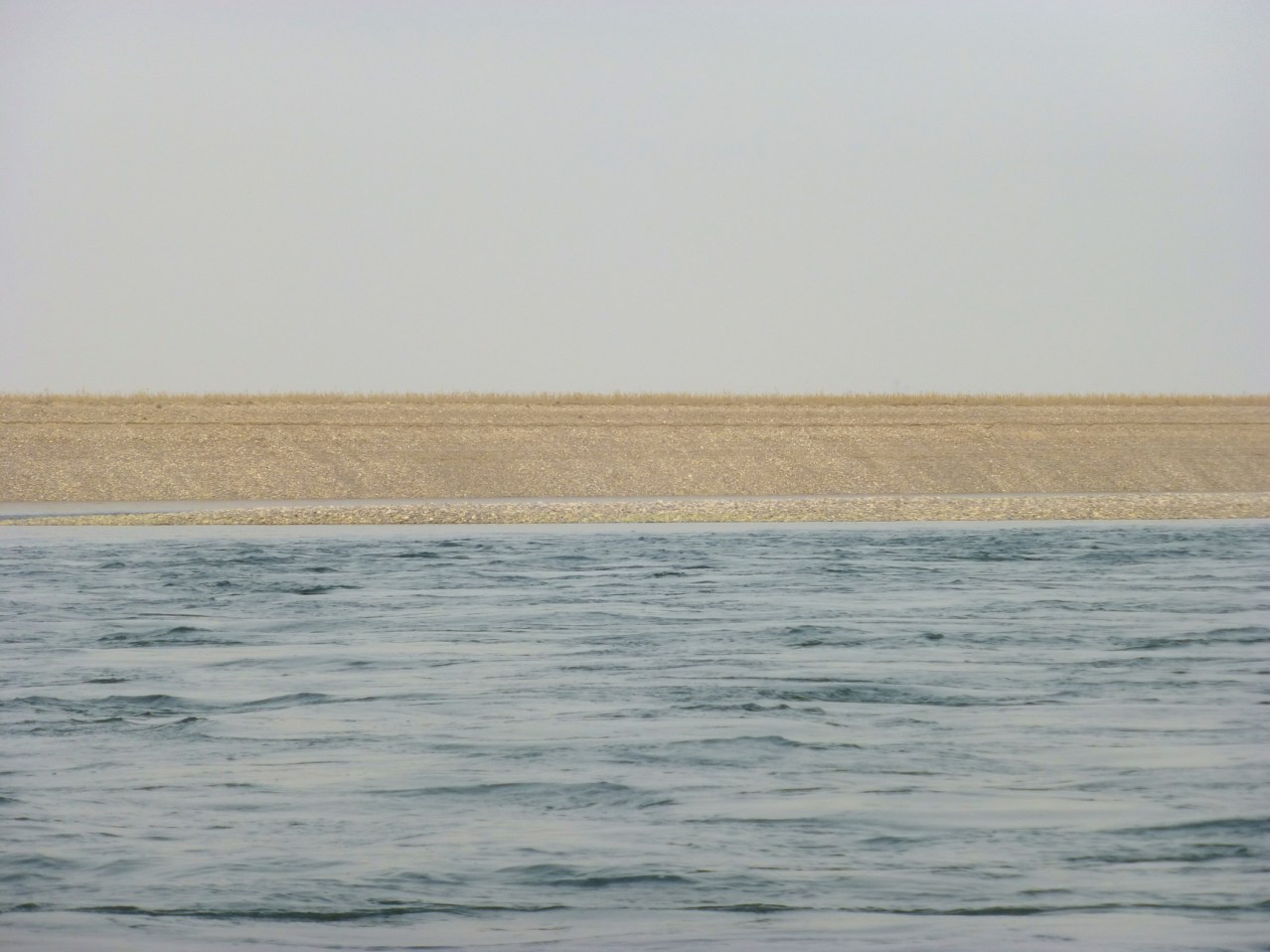
The Nkwentaikwt at Hanford
2:20
Dog and Moon
(Transformed Ghazals)
Kelly Shepherd
Kelly will give a pre-launch reading from Dog and Moon, which places nature writing in conversation with poetry workshops, mythology, memory, and sensorial encounters with the natural world as it collides with images of home and belonging. The launch is March 4, here at UBCO.
Kelly Shepherd is a Cascadian son from the shadow of Hudson’s Bay Mountain, currently teaching communication in Edmonton. He holds a MFA in Creative Writing from UBCO.

2:40
Ghazals, Reimagined
Vivek Sharma
Vivek will discuss the ghazal, exploring its brief history, its journey to the West through the translations of Ghalib and Mir, and how poets in North America embraced, adapted, and transformed the form. He will also read selections of ghazals from poets like Agha Shahid Ali, Jeet Thayil, John Thompson, Phyllis Webb, and others, highlighting the differences between the traditional Urdu-influenced ghazal and the Canadian free-verse ghazal.
Vivek Sharma, a poet from the hills of the Mahabharata, holds an MFA from the University of British Columbia, Canada and resides in the unceded territory of the Syilx Okanagan peoples. His work appears in The Malahat Review, EPOCH, The Fiddlehead, Prairie Fire, and Arc Poetry Magazine. His chapbook, “Between Two Valleys, A Lake,” will be out from Anstruther Press in Fall 2025. Find him on X @SharmaviVivek.

3:00
Q&A on ghazals with Kelly Shepherd & Vivek Sharma.
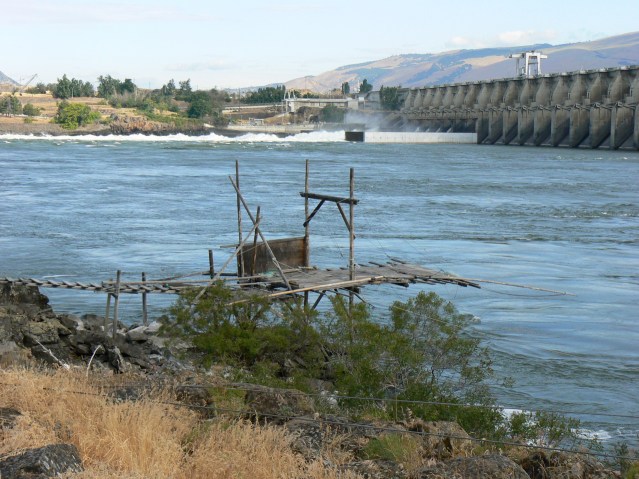
Lone Pine Replacement Fishery, Cellilo
3:10
Break
Coffee, Tea, and Energy.

3:30
Spiritual Worlds
Francisco Peña
Francisco will bring his research into fusing and separating cultures in medieval Spain and the Levant to our Cascadian and Canadian context.
Francisco is professor in the Department of Languages and World Literatures at the University of British Columbia and Coordinator of the World Literatures Program. His research spans Medieval Studies, Literary and Biblical Studies, and Religious Studies. His research engages in synthesizing analyses of literature, history, and religion. Just the man for an ecosystem of old and new beliefs.

3:50
Spirit, People
Michelle Poirier Brown
Michelle will read from work written since her move to interior Cascadia reflecting the influence of landscape on both poetic process and spiritual practice. She is an active force of cultural bridging between her new home and her previous cultural community in coastal Cascadia.
Michelle Poirier Brown is a Métis poet, currently living in Syilx Territory (Vernon). She is the author of You Might Be Sorry You Read This.

4:10
Living Sound
Cole Mash
Cole will help us set text aside by bringing us his passion for spoken word poetry and his experience in the burgeoning art scene of the re-treaded but still not retired streets of Kelowna.
Cole Mash is a writer, teacher and community arts organizer who lives on unceded Syilx-Okanagan territory in Kelowna, BC. He has performed poetry locally and nationally for over 10 years, and his creative work has been published in CV2, NōD, Pinhole, and Forget Magazine, and The Quiet Minds Anthology. His lyric-memoir, What You Did is All it Ever Means, was published with Broke Press in 2021. His critical work has been published in Scholarly and Research Communication and on the SpokenWeb Blog, and he is the co-editor of Resistant Practices in Communities of Sound from McGill-Queen’s University Press. He is the co-founder and Executive Director of non-profit arts organization Inspired Word Café. He holds a PhD in English from Simon Fraser University and teaches sessionally at Okanagan College and UBC Okanagan. Cole has a wonderful partner, four kiddos, and two kitties whom he loves all the way to the bottom.

4:30
Q&A on People & Spirit with Francisco Peña, Michelle Poirier Brown & Cole Mash

Marble Range
4:40
Settler Stories
Don Gayton
Don will discuss his current writing project, Settler Stories. He describes it as an extension of “the notion that Indigenous people have traditionally used story to connect with their local ecosystems,” and suggests that “we Settlers don’t have any equivalent stories, and maybe we should write some.”
Don Gayton works as an ecologist, specializing in grasslands, grazing management and fire ecology, and he “writes in his spare time”. He says, “In the last century, the physicists interpreted science for the public; in this next beleaguered century, we ecologists will get our turn.” He is humble. His books The Grassland Mechanism and Landscapes of the Interior are must reads for people of the bunchgrass and ponderosa pine biomes.

5:05
Q&A on Settler Stories, with Don Gayton

5:15
Many Tongues
Slava Bart & Friends
A group reading of a poem by Slava Bart weaving Kazakhstan, the Soviet Union, Israel and Japan in group performance by Grad Students at UBCO. Four languages in one sonar landscape.
5:25
Q&A on Group Reading & Identity with all the Grads.

Grand Coulee Dam
5:35
Closing: An Introduction to Tomorrow’s speakers.
You’ve only heard the half of it!

John Day Painted Hills
5:45
See You on March 2. Right here.
We’ll have a circle reading and we’ll go outside, too.

Categories: Arts, Cascadia, education, Ethics, Land, Land Development, Pacific Northwest, poetry, Spirit, Sun, Urban Okanagan
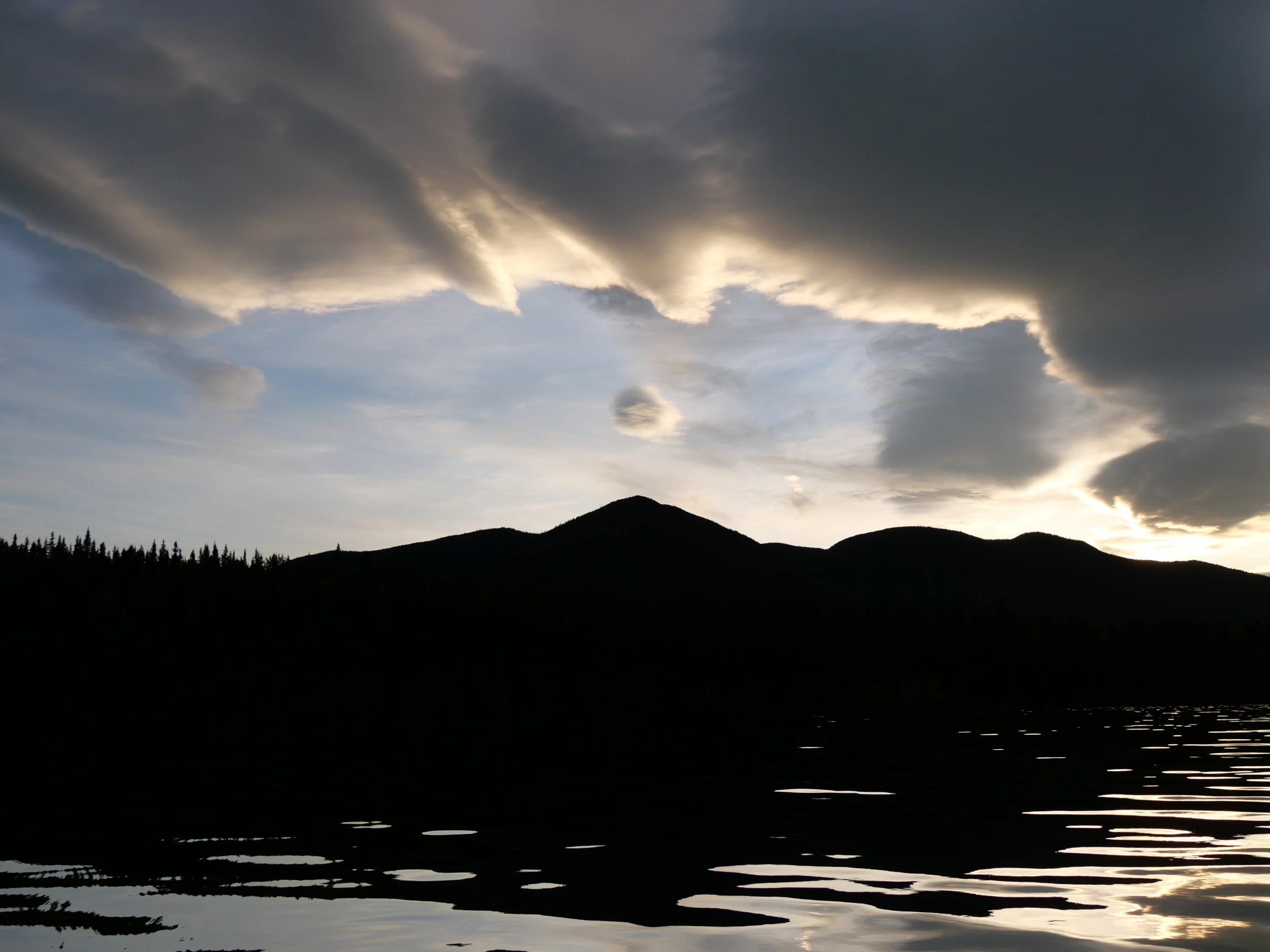
 Okanagan Okanogan
Wow – what a beautiful gathering!
Congratulations and thanks to all
LikeLike