


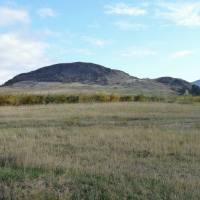


In much of Cascadia, public space is very limited. Here is a narrow strip of it, winding through the Palouse, in one of our regions administered by the USA.
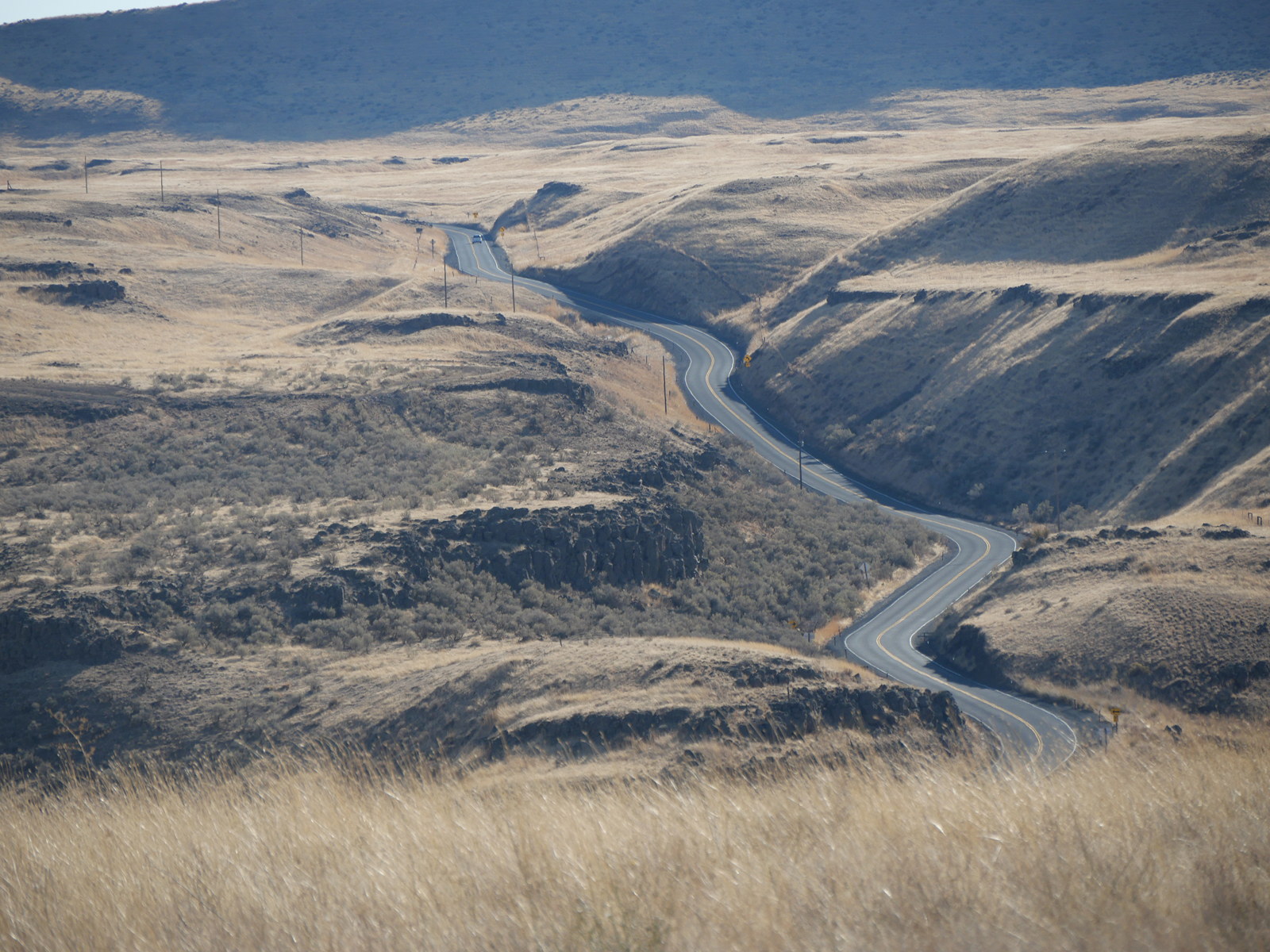
Washington State Highway 261. Photo by Harold Rhenisch
The land is private. It was gained as US Territory on the principle that the Liksiyu people did not own it because they were not farming it, and as soon as a settler put farming labour into it it belonged to him as part of his body. According to this argument, the alternative was slavery. Initially, ownership of this kind was defended by volunteers funded by the US Army during skirmishes in early 1848 and running on for a couple decades. One of the key moments in that generation of uncertainty was when Liksiyu chief Peopeomoxmox was captured in the Touchet River Coulee…
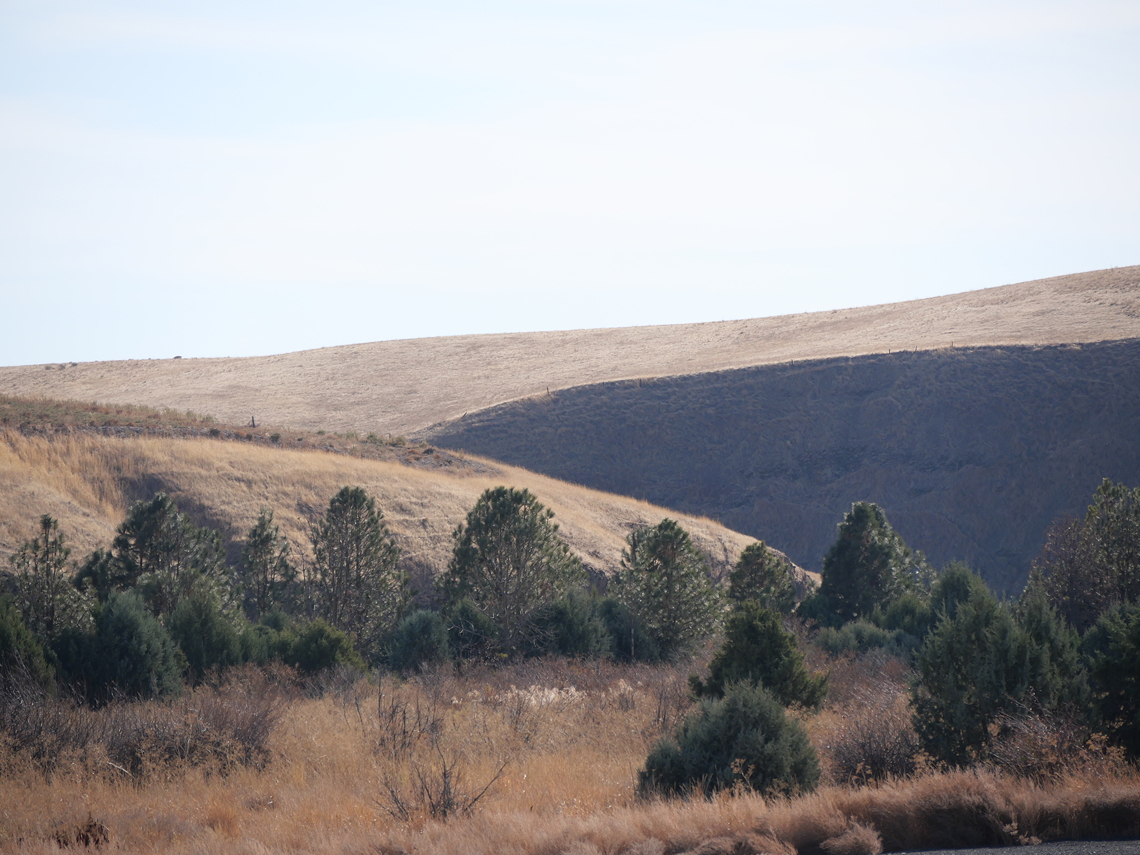
Touchet River Coulee, photo by Harold Rhenisch
… gave himself as a token of peace into American custody as the head of a sovereign people on their own sovereign land, and was killed by a guard as if he were a common criminal or murderer under US law. This is not a partisan political statement. It is simply a statement of how weak US law was at the time. It continues to be how weak the land’s ties are to the world of modern communications and power…
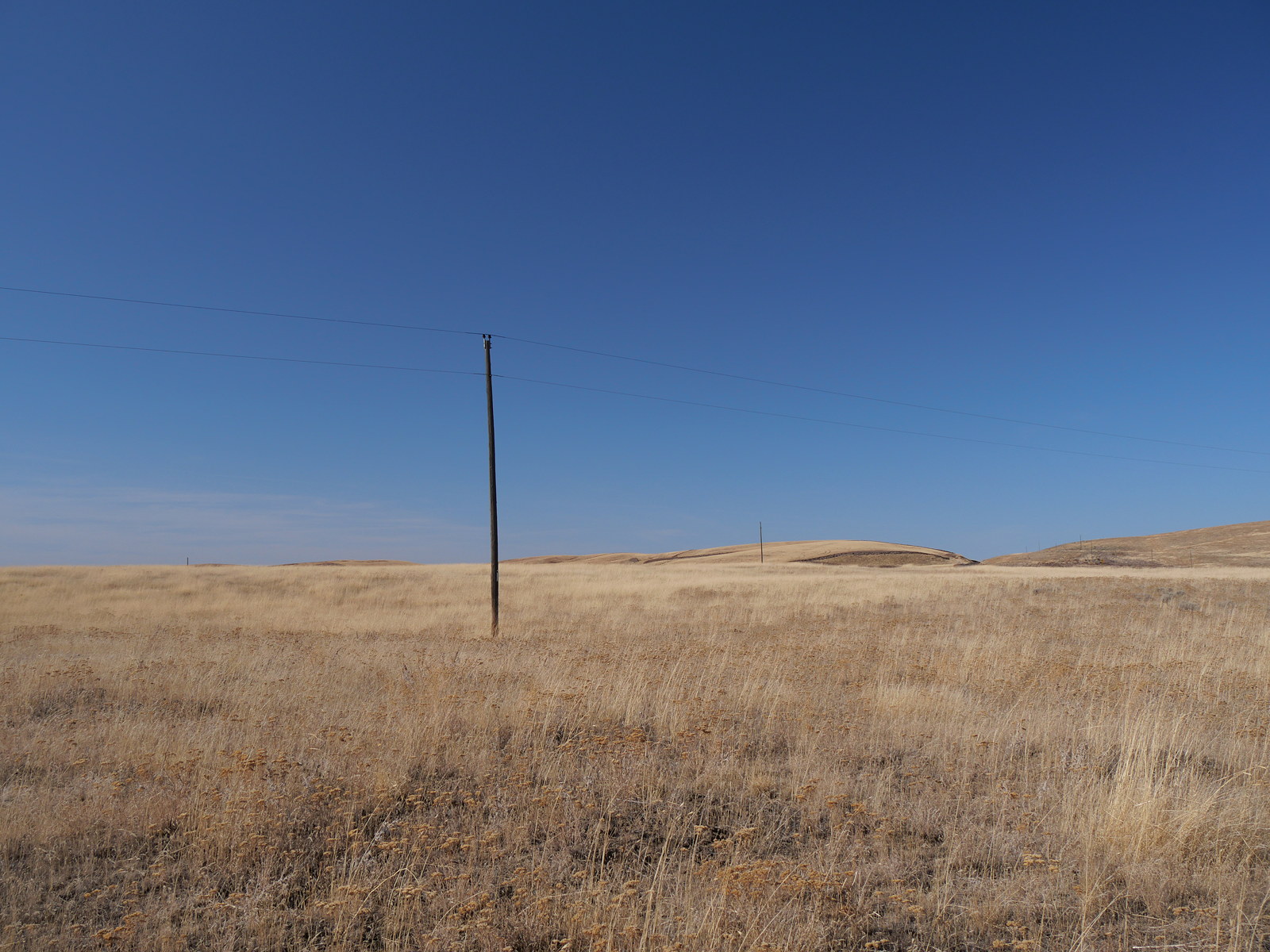
… and how little power is needed to hold it to the American land claim. The land, however, is private. US representative governments, such as the State of Washington, provides access across private lands to other private areas, but often little more. Public land, however, heavily circumscribes private access.
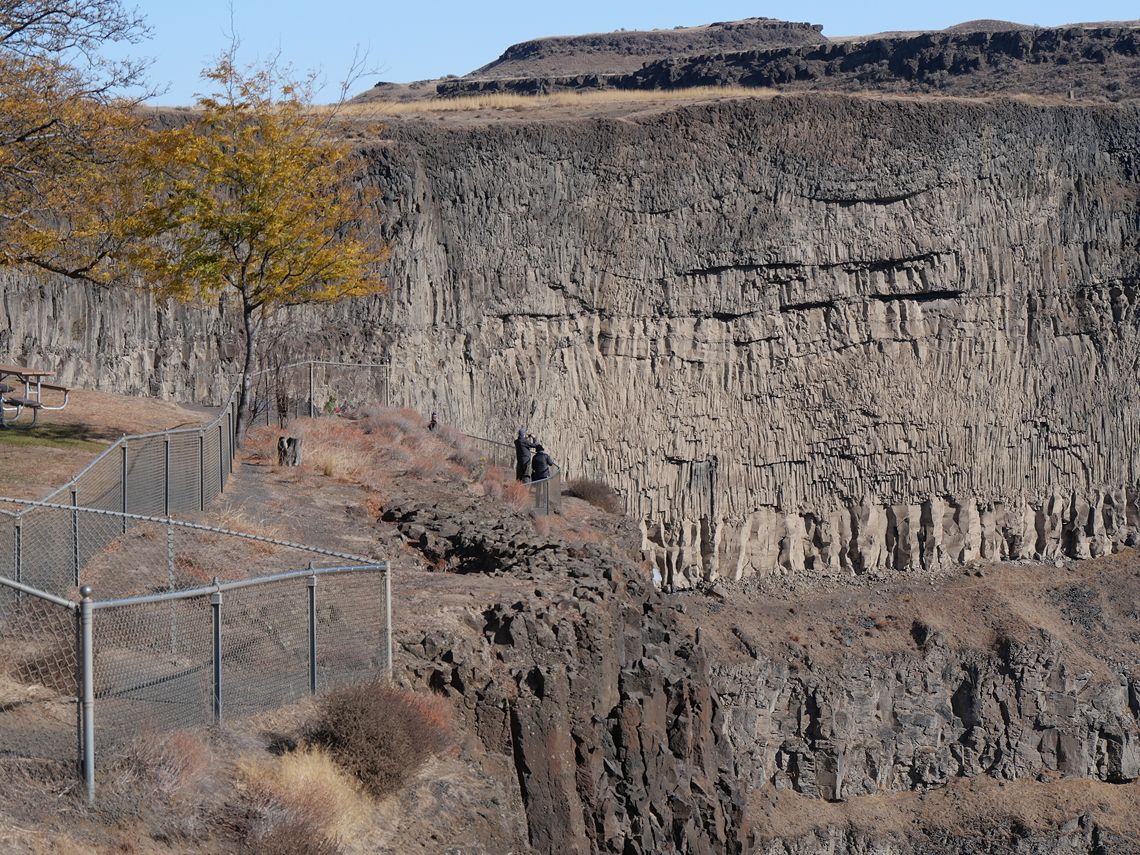
Palouse Falls State Park, photo by Harold Rhenisch
All trails to Palouse Falls, both above and below, have been blocked, for reasons of safety and because they ‘must’ cross private land. There is no ‘must.’ Access could be created, if, culturally, a view of the falls did not culturally suffice. In its place, I have provided a view of people watching it, which is much the same thing culturally, and a view of the private land it falls from into its gorge.
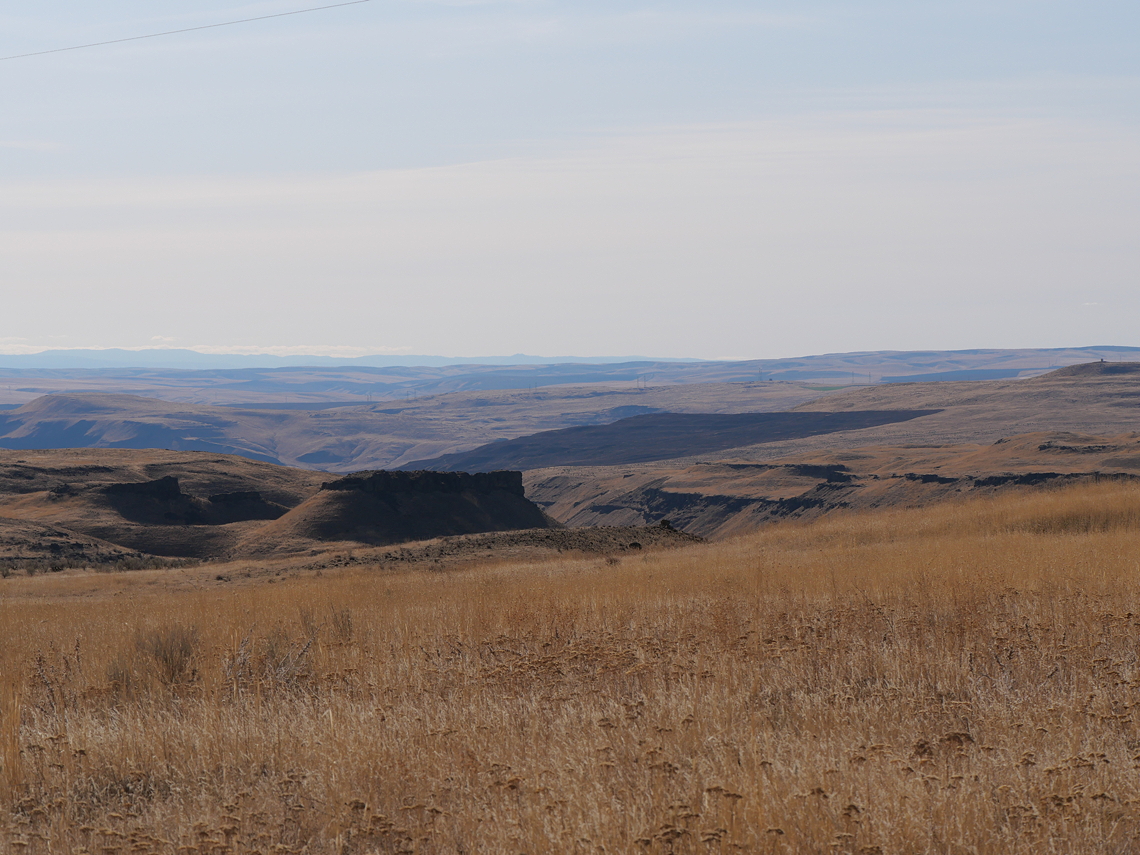
Palouse Country, photo by Harold Rhenisch
Here’s an image of the falls from above, when access was still allowed.

56 metres to the bottom. Photo by Harold Rhenisch
An election is currently being contested on these principles, whatever else has become attached to it, it is about controlling access to land and water. 65% of North America’s water is pulled from the sky by the mountains of Cascadia. The ongoing US electoral contest might be won or lost in 6 swing states (none of which are in Cascadia), and might be contested on vital US cultural issues, but it remains very much a Cascadian affair, and …

The Palouse River, photo by Harold Rhenisch
… after the loss of Peopeomoxmox the land the water still have no say except to shape people into their social body. May that go well. May we keep our eyes and hearts open to speak for her, and may we keep our heads about us.
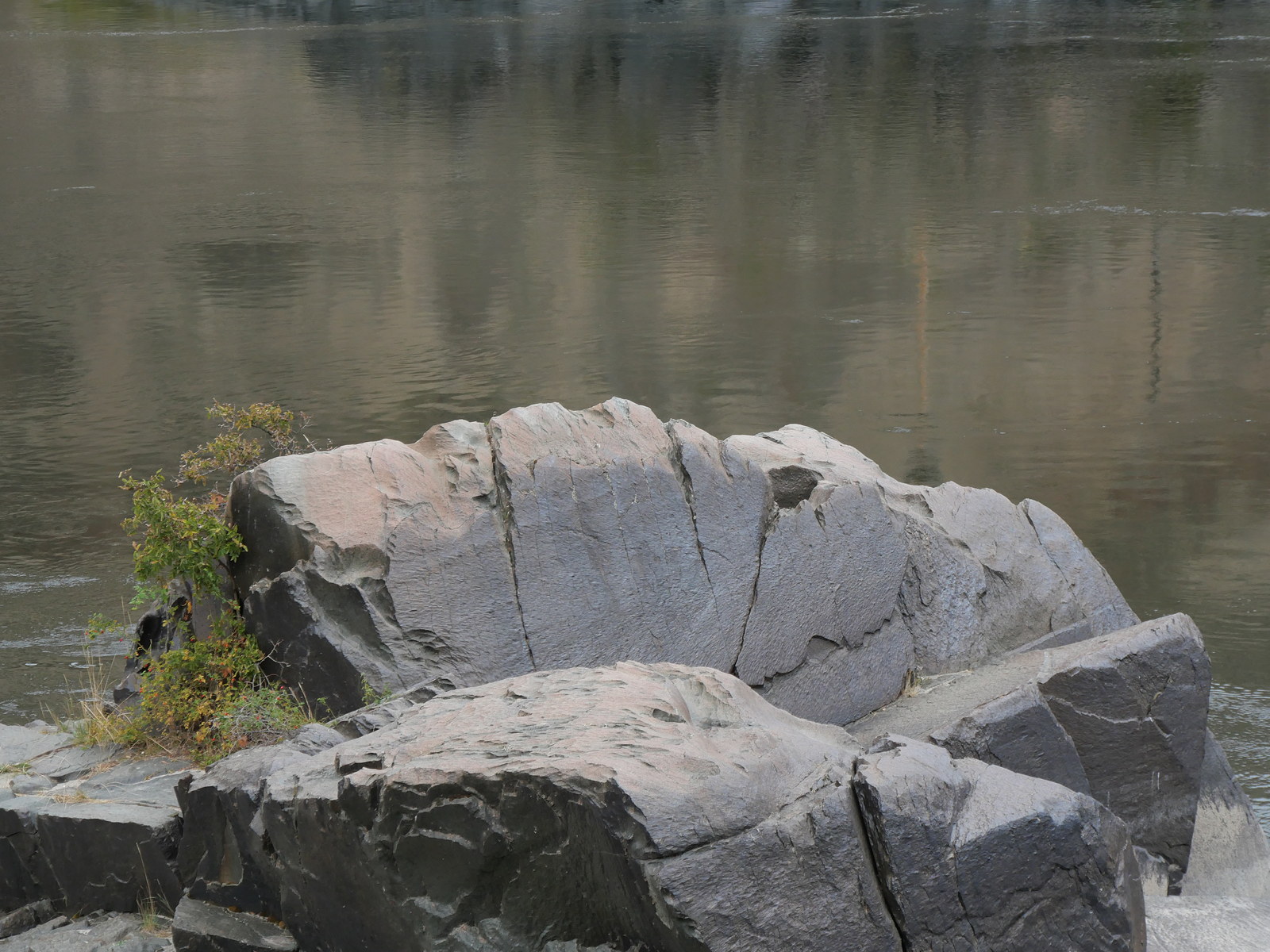
Buffalo Eddy, photo by Harold Rhenisch
Categories: Cascadia, Nature Photography
 Okanagan Okanogan