


Imagine, if you just loved white things, and out of all the world you felt, well, you know, only at home there. Especially creamy white things. Especially yarrow.
So it can be! Now, imagine if you loved yellow things, and out of all the world you felt, well, you know, only at home there. Especially yellow things doused with pollen that you could, you know, get all over yourself and, well, wait for another beetle to come along and get herself all pollen bedecked too and have good beetle sex then, in a flower in the sky. Especially arrow leafed balsam root.

So it can be! Now, imagine if you loved blue things, and out of all the world you felt, well, you know, only at home there.
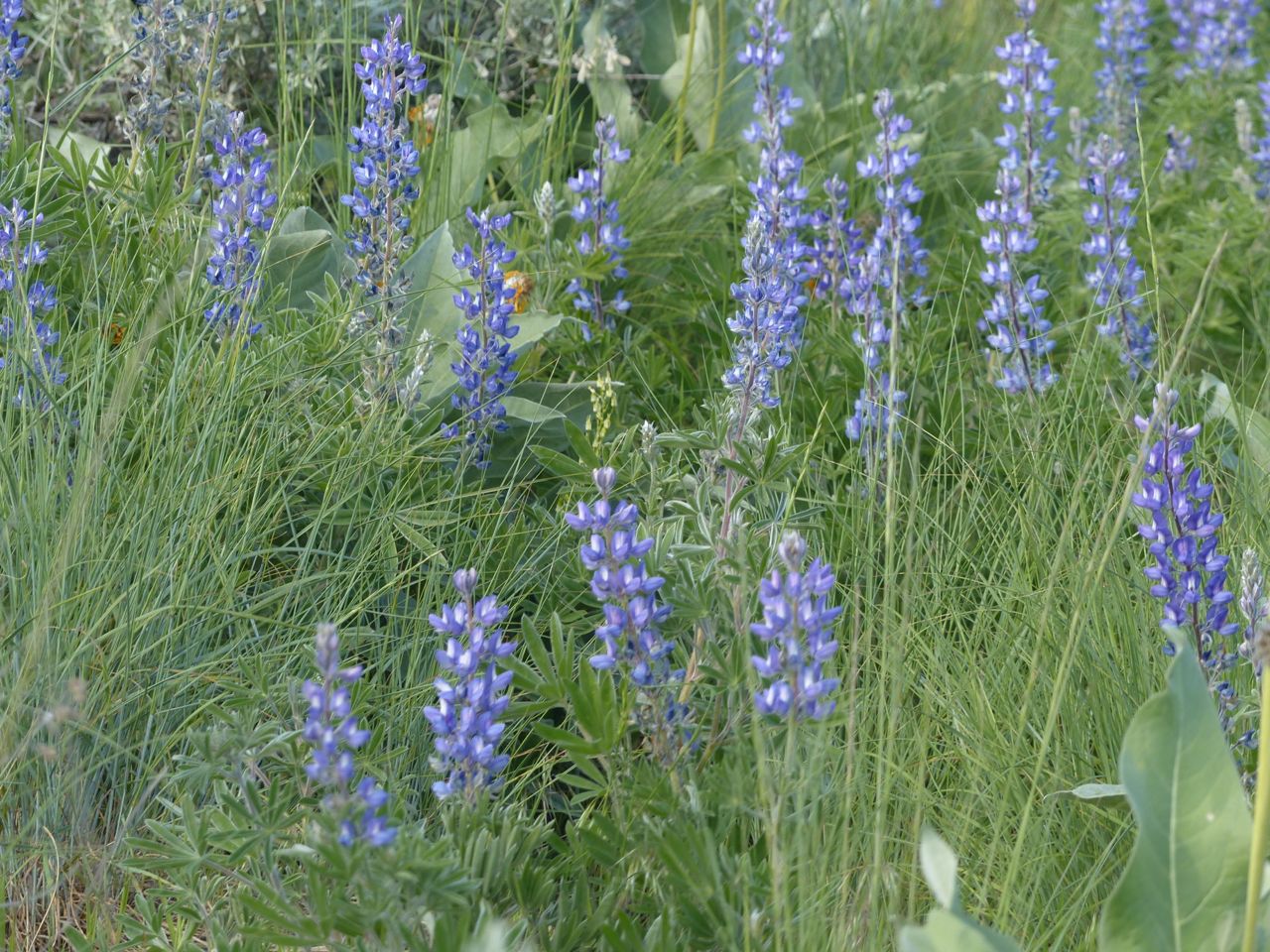
Especially blue things that absorb the light and shine, especially in the middle of the day, especially two-toned blue things, like, oh, I dunno, lupines! And you’ll only go there, but something goes wrong, the seasons are out of whack, the cheat grass is cheating your lupines out of water, or something, how would you know? You just love blue! And lupines.

Yeah, you’d kinda stand out. Humans are like that. We like heights above water. When we see that, we think, ah, what a great place.
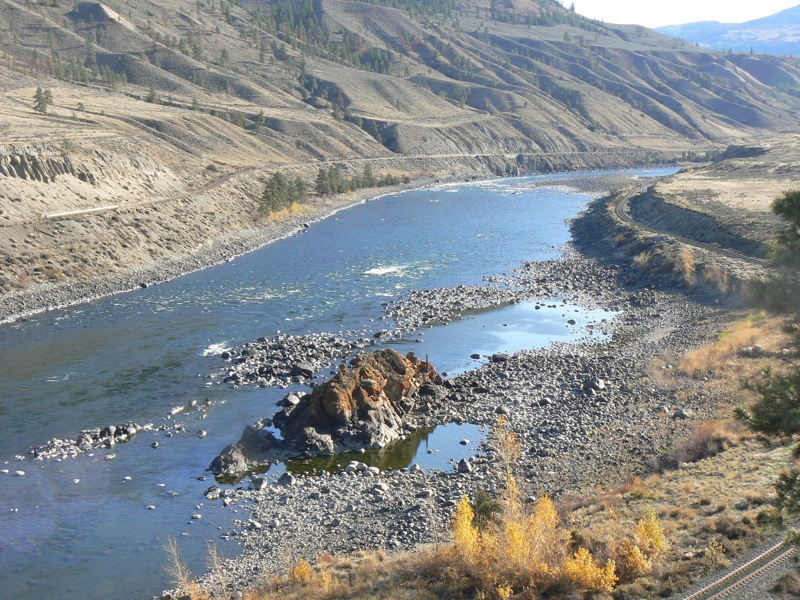
It’s also a great place for trains, like the two Canadian continental trains passing on either side of this sacred trickster rock in the Thompson River, just north of the old fishing grounds at the confluence of the Nicola. Look how the people of my city, Vernon, have used the last century to turn their back on the train, as if it wasn’t there.

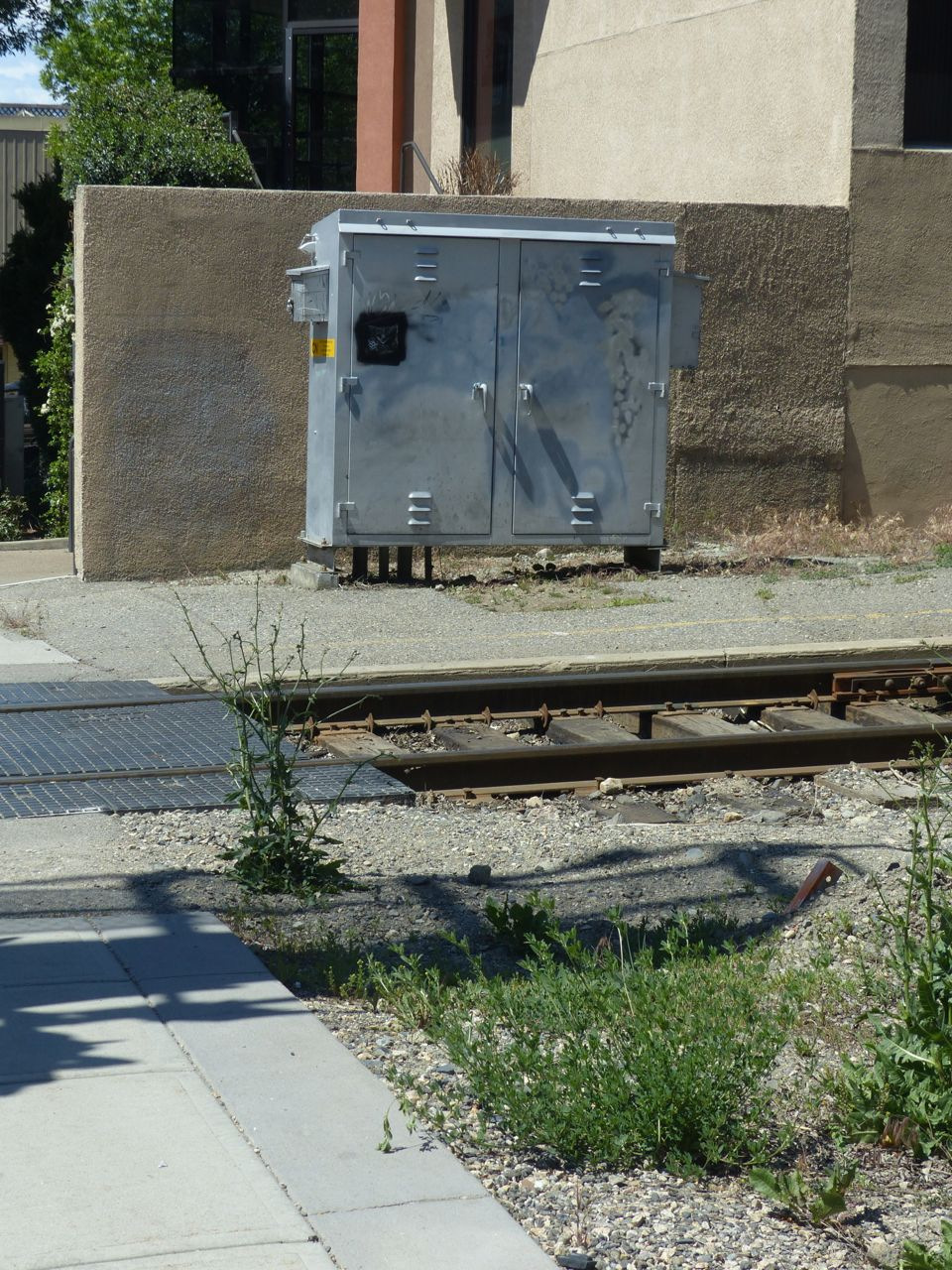
What’s at play here is competition over who gets to use ancestral space. It’s curious that contemporary culture, that champions individual identity, does so within very constrained social boundaries. The battle between the railroad and the graffiti kings of midnight shows this well on the switching box below, right on Vernon’s main street.
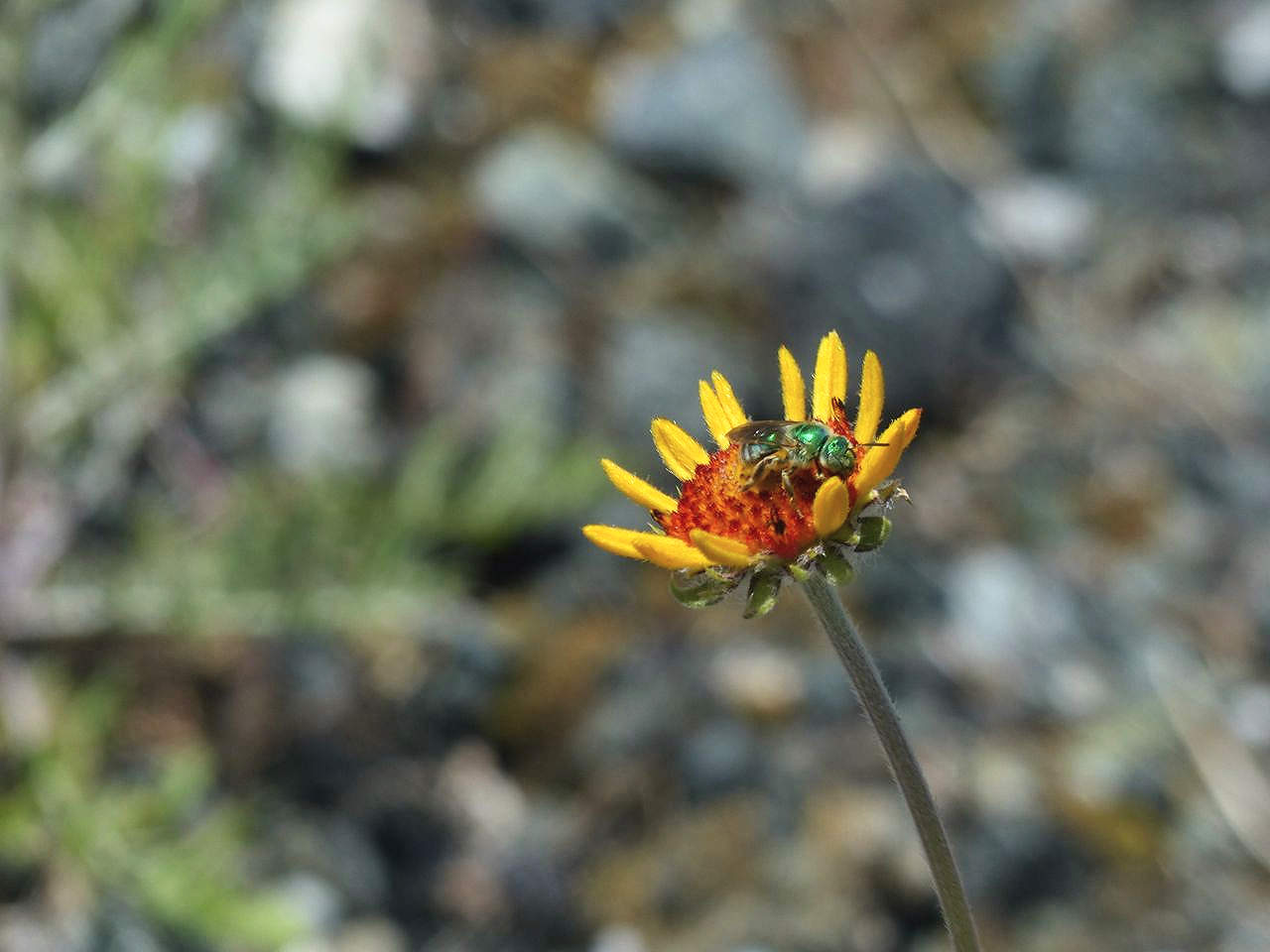
We’re social animals. In the end, social stratification matters. But also beetles. For themselves, of course, but also because they remind us, in all the intricacies of social accommodation, of who we are. Bees, too, like this overly-armoured one, gently sucking nectar despite her tough exterior.

There is a time to fight, and a time to remember what you love. It used to be that intellectual activity was based around negotiating this boundary between social and natural space. Take this ancestral figure in the Wenatchee Valley, for instance.

Or this one, still alive today, in the new ancestral language called biology.

The looking, the focus, and the time we take is a path back to selves that have boundaries in the processes of the earth and individuality in the chance to accept the choice of honouring them.
There really is no choice, except to be socially constrained in the same way the earth is, in human terms. Accepting the earth and its creatures within our social group changes everything. It’s not about understanding. It’s about knowing, instantly.
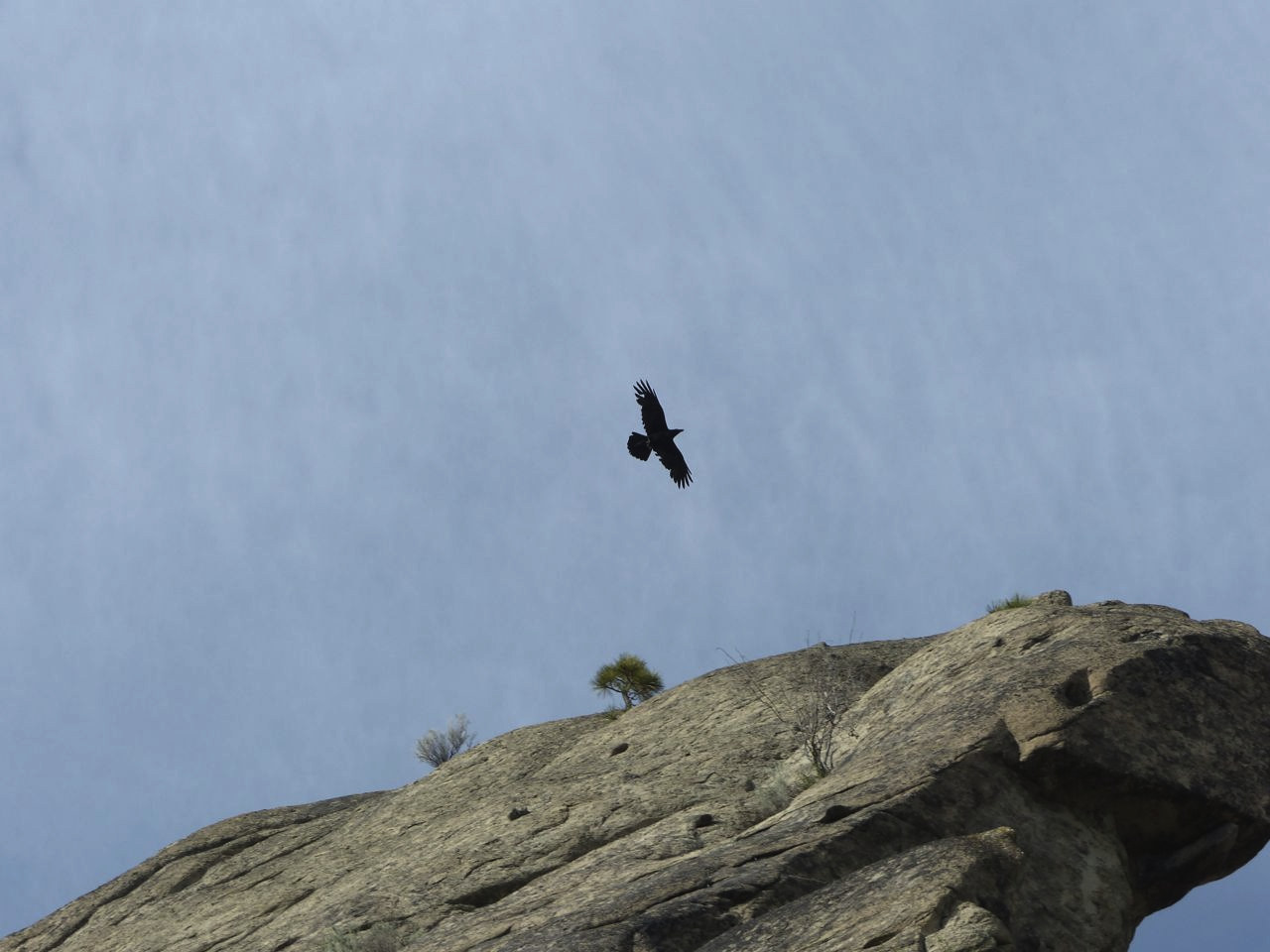
To get that right, without emotional or social complication, you need an earth. You need to be able to say, “Oh, here I am.”
 “Here I am.”

And know that “I” is not a human thing.

Anything less is a railroad.
Categories: Gaia, Grasslands, Nature Photography

 Okanagan Okanogan
I like how you tell it and the pictures.
LikeLike
Thanks!
LikeLike