


Time is a strange thing. The farther in distance we look into the night sky, the father back in time we are seeing. If we look far enough, we see the beginning of the universe. It’s not that way with earth, but it’s close. Take a look:
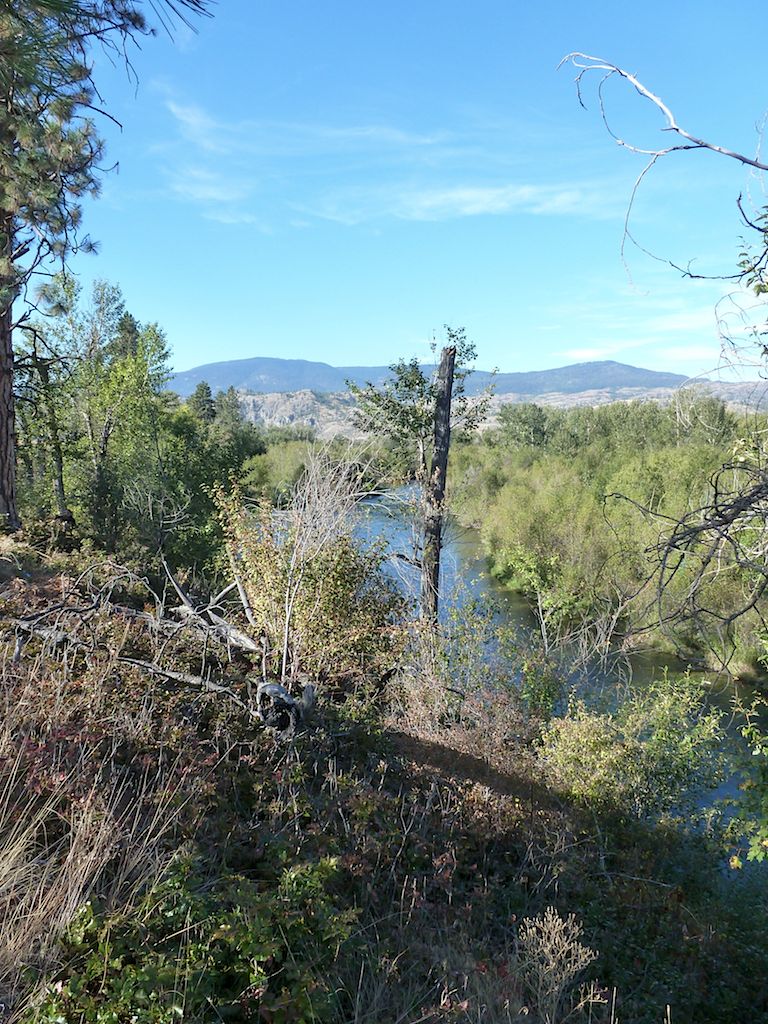
Okanagan River, Nk’mip
Molten comets wind through glacial gravels under skies turned blue by oxygen released by plants, such as those along the river’s shore.
The earth’s original oxygen and water cooked off in the heat of the early solar system. Comets brought water and complex hydrocarbon molecules that may very well have come together in the new seas to form the first life. The plants here are the expression of that moment. We call this expression life, but, as you can perhaps see, it’s more like rust. And what is rust? Why, a slow fire.
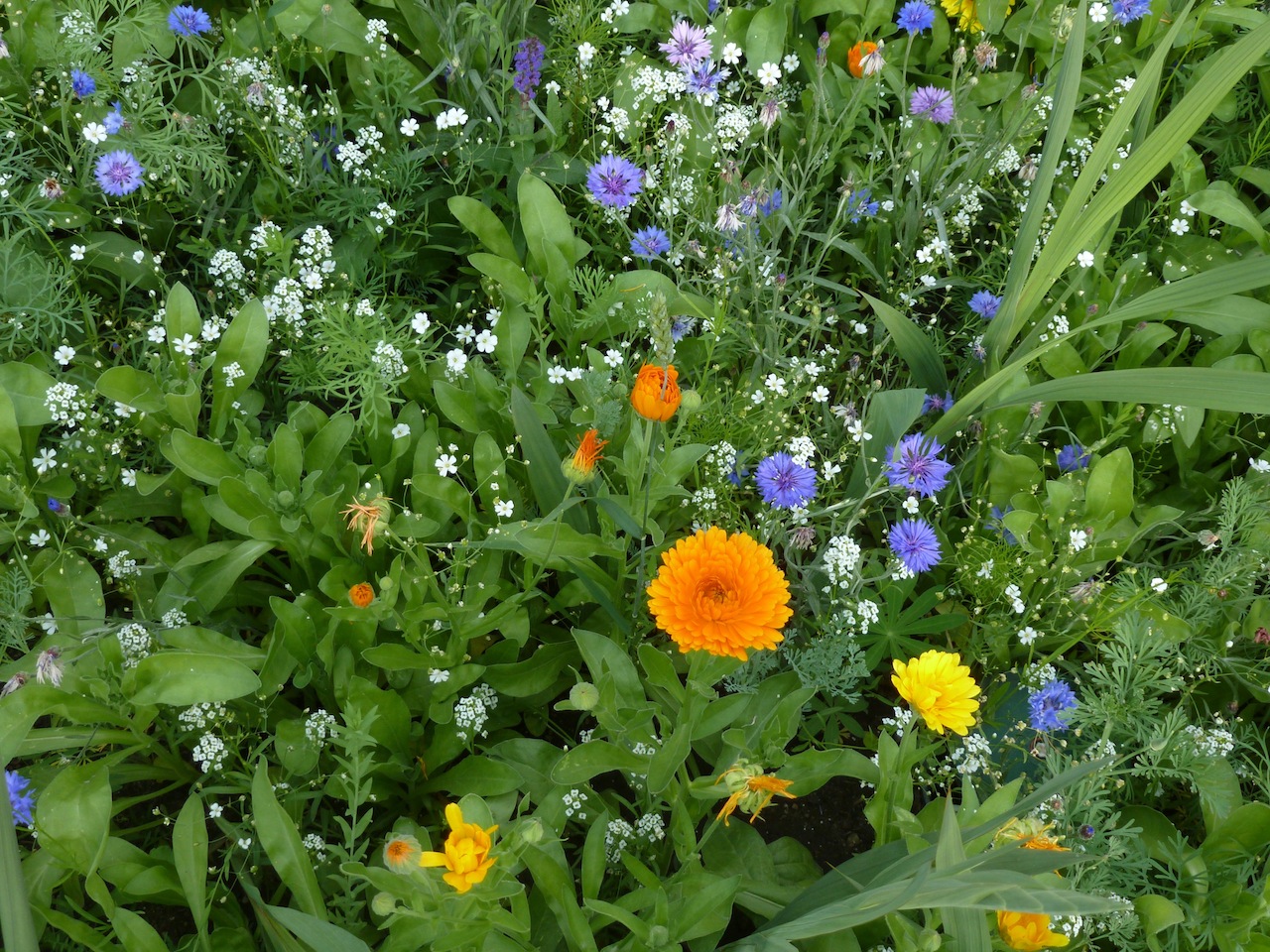
The Height of Summer
Burning water!
Can you imagine cooking these living creatures in an oxygenless fire to turn them into carbon, and burying that in the ground to mitigate the atmospheric effects of automotive exhausts and smokestack emissions, when it was plants like this that created the oxygen in the air in the first place? The human name for this form of carbon is bio char and it’s plain rude. If life is a fire, it is the equivalent of putting that fire out. It’s nearly as cruel and inhuman as this:
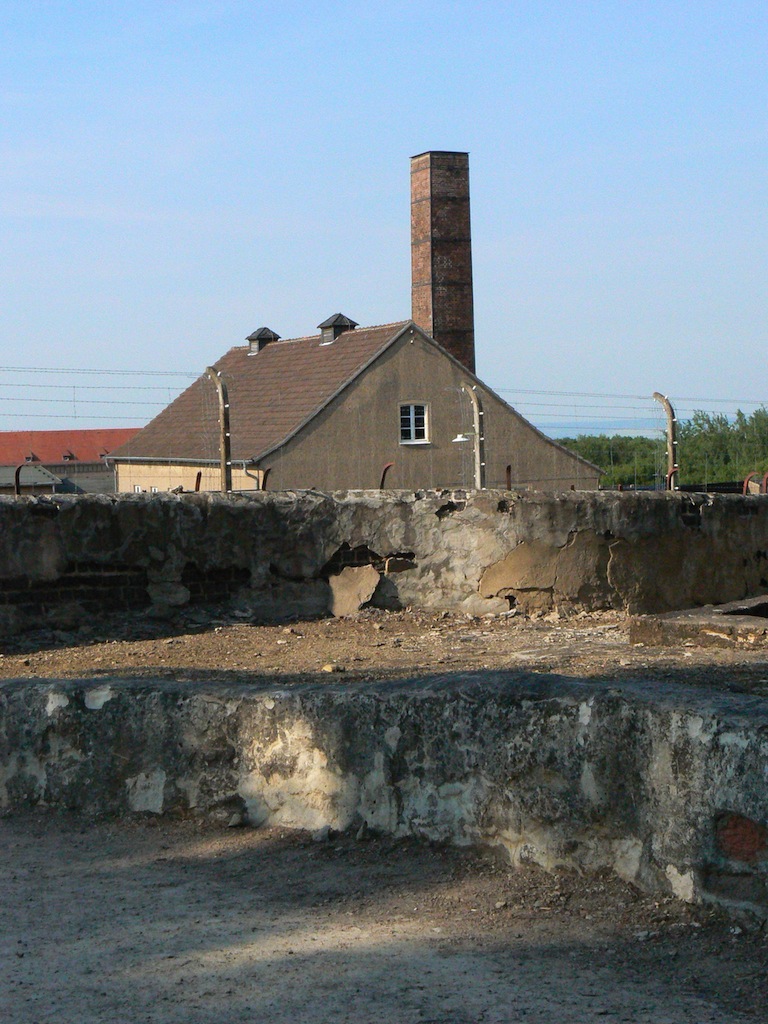
Buchenwald Concentration Camp Zoo
Bears were kept here. New guards were desensitized by being forced to watch them fight to the death. Then they were set loose on the prisoners within the wire. The crematorium (now a moving grave site) in behind. Weeds throughout the complex are writhing with 2-4D.
Either we honour life everywhere or we don’t. It is just simply not about us, although we are part of it. It is, however, certainly about this guy:

Unidentified Grassland Insect
Beauty doesn’t need a name. It isn’t an incidental byproduct or an afternoon’s entertainment or something to be achieved after long struggle. It is the whole show. Living that is one of the primary meanings of respect.
Plants are more than their carbon. I’d like to think we are too.
Categories: Industry, Land, Nature Photography, Other People, Water



Thanks for the link to the article on biochar. It looks like we can save the planet by converting all living things to biochar and burying it so as to prevent the carbon content from entering the atmosphere. Come to think of it, isn’t that precicely what the fossil fuels are? So the grand solution is to leave it all underground to keep the pesky carbon out of the air.
LikeLike
Sounds like your bike is all polished up for the spring hills!
LikeLike
That’s the sound of my old bones creaking. There’s too much snow to consider biking for at least a month to six weeks. You forget what the real world is like.
LikeLike