


To celebrate our 100th post here together, here’s a hint about where we’ve been and where we’re going. Over the last 100 posts, I have tried to assemble a working knowledge of how some of the energy systems of the valley operate.
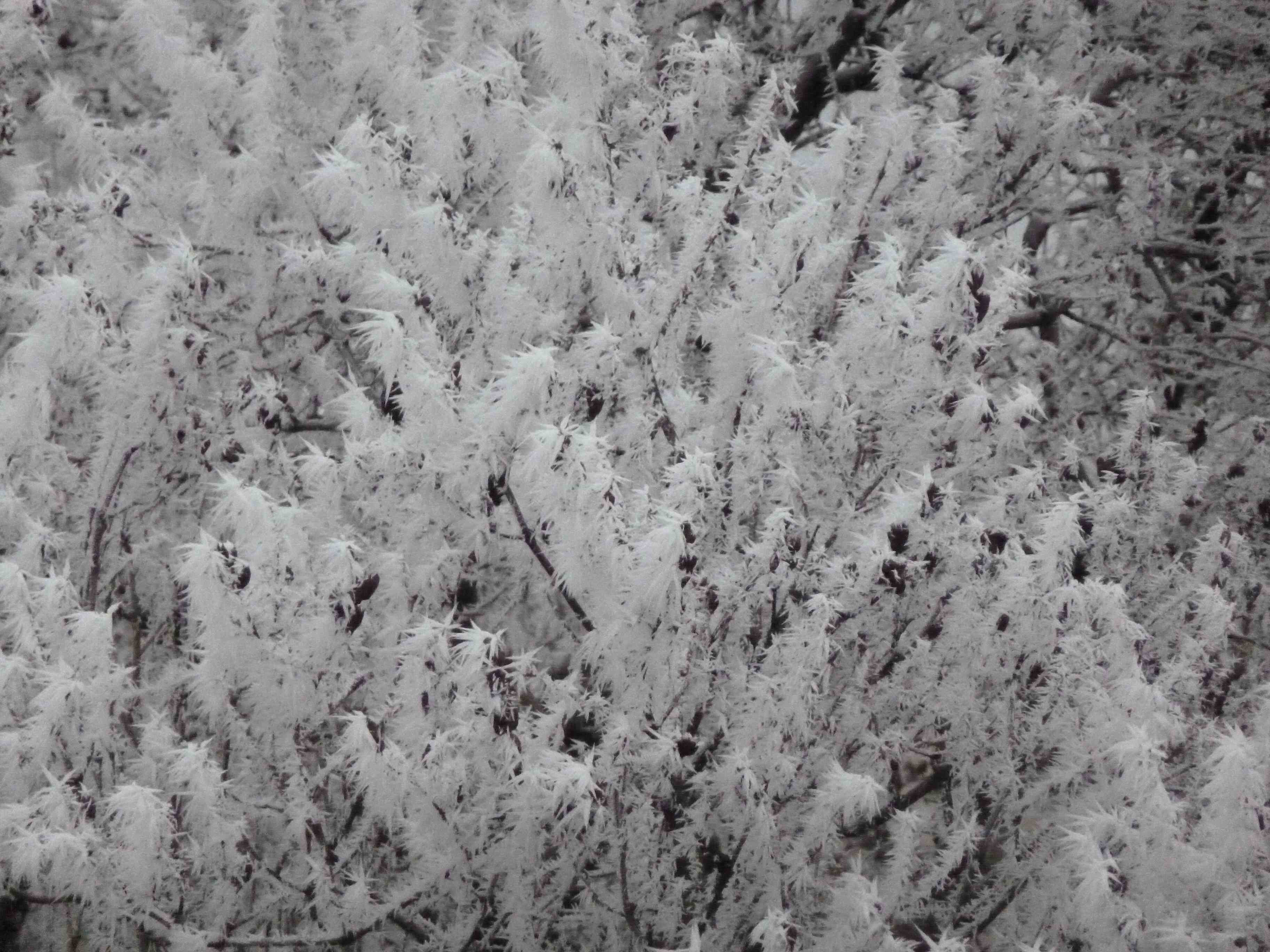
Hoarfrost on Mustard
I like to imagine this as a visual representation of the process of wine fermentation.
My ultimate goal is to reach a synthesis of art, environmental science, and engineering that will provide inspiration for new models of energy and food production and transportation, and for the support of a society that works with its land rather than against it. Beauty, poetry and photography are part of that, but so are urban planning, science, and agriculture. One of the points at which all these interests come together is in the production of wine. Over the next 100 posts, I hope to delve as deeply into wine as I have into water in the first 100, and to join the wine story with the stories of water and light we’ve been exploring so far.

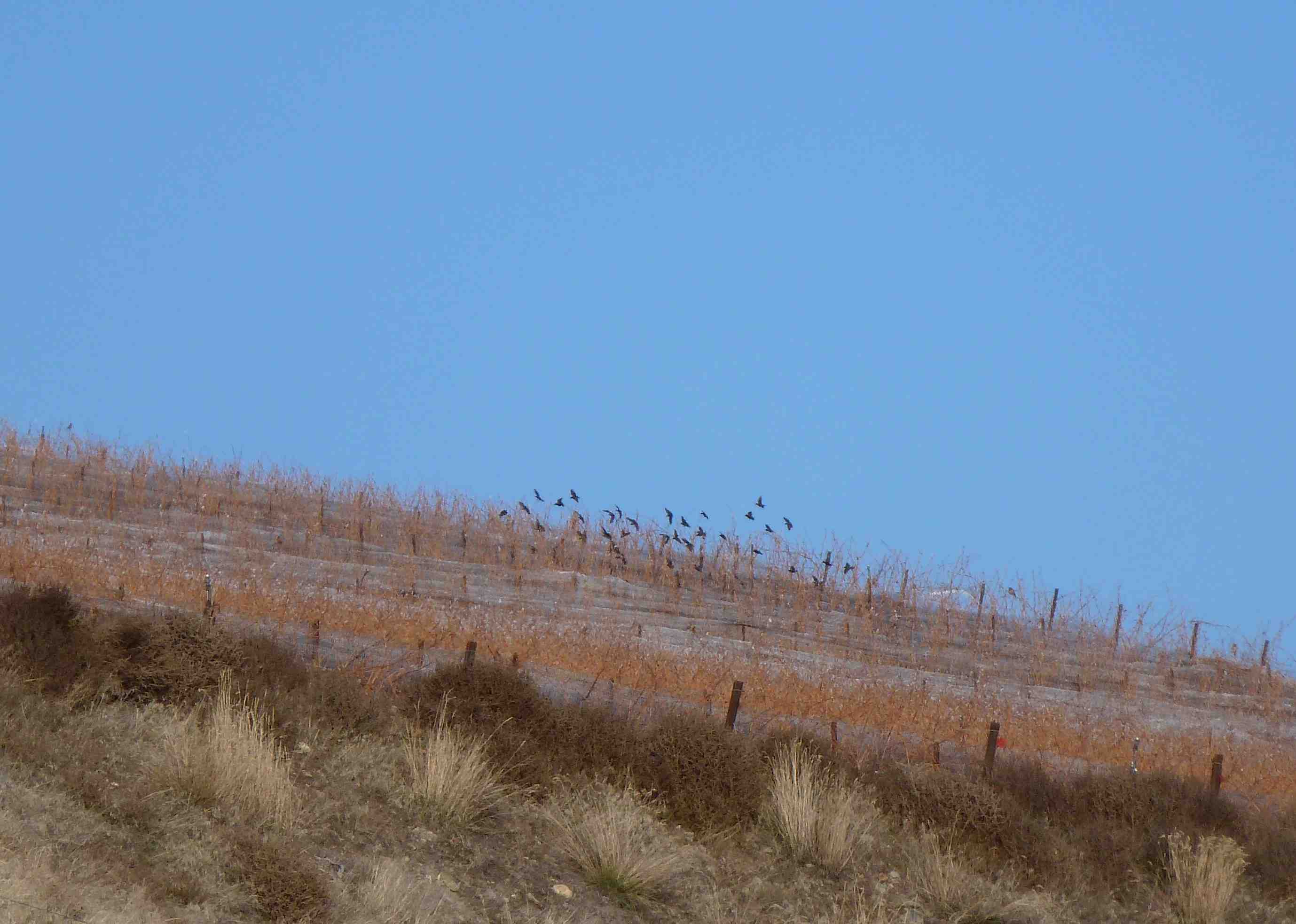
Imagine a Glass of Wine Tasting Like That
Sure beats “Hints of guava and lemon with a lingering finish.”
I will, of course, attempt to bring you beauty whenever I find it, and to remain ever curious and observant, and to pass that delight on to you. As a little introduction to this process, I’d like to talk about a wine I had the other day, because it shows what is possible, and another wine I had recently, which shows what is also, sadly, possible — not because the second wine is poor (it’s very relaxed and drinkable), but because it ultimately leads us away from growth in those areas of our social and aesthetic connections to the land that will see us forward for hundreds of years into the future. What I’m talking about is life. Here’s the first wine:
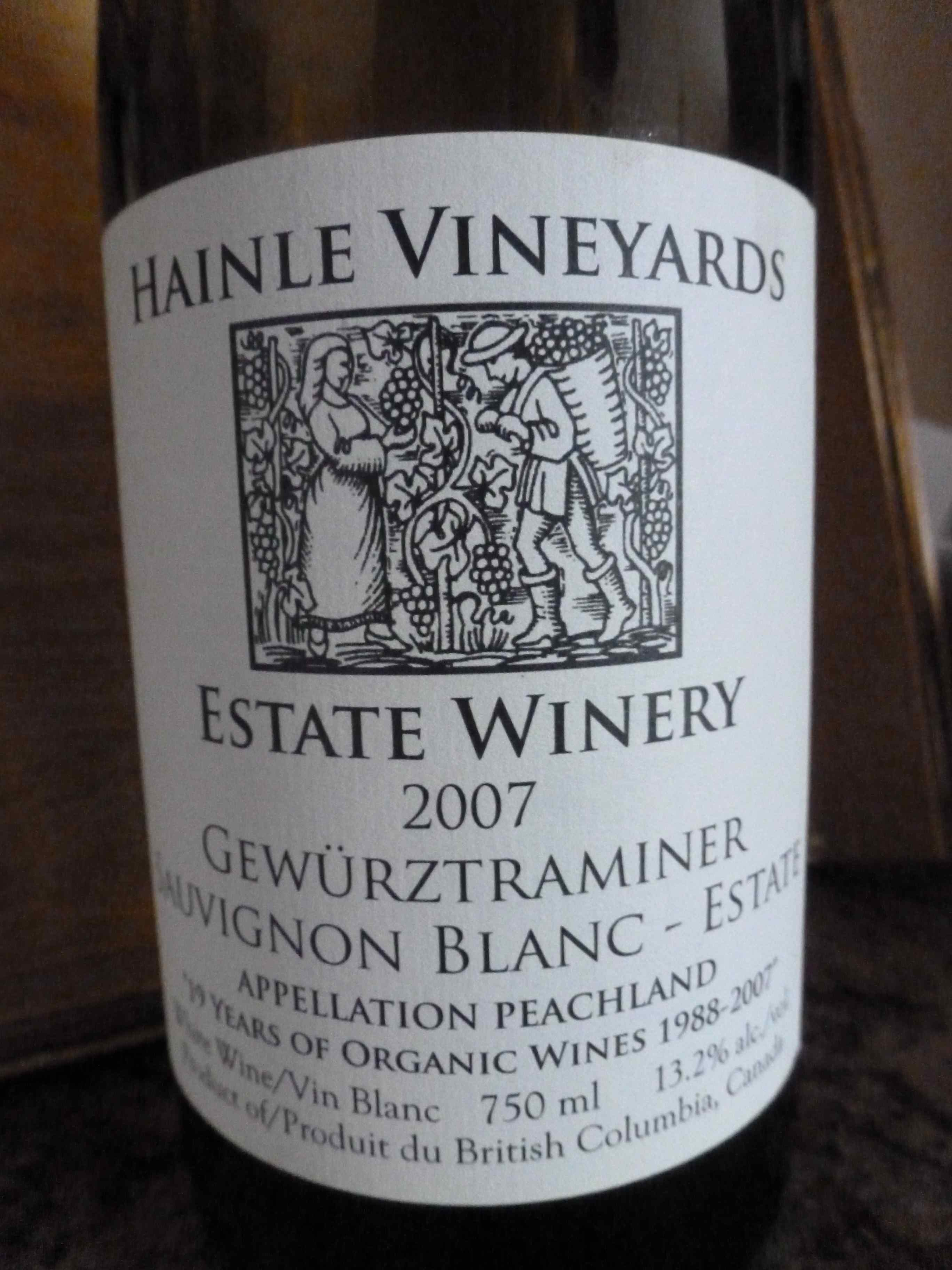
A Living Wine
This is an artful blend of two distinct varietals: the lemony and vegetable acids and rounded mouth of chardonay, blended with the mineral spice and brightness of a new world, cool climate gewürztraminir. The blend is not entirely successful by a standard measurement, that holds that the wine should unite into one new flavour, which presents itself as a unity to the mouth. It is, however, successful, in that the blend occurs in the mouth. This wine is alive. It only finishes its process of fermentation and cellaring in the mouth. By drinking it, one is part of the living process of its creation. Can you beat that?
Look for very ripe berry flavours from the gewürztraminir that have come through the storm of fermentation without being separated from their more complex spices, and in conversation with them, the big, bright sun- and sugar-soaked acids of the sauvignon blanc. The result is two approaches to fall, a kind of fall storm in the mouth, told by two grapes that have influenced each other in the aging process, and which have built up a tension, released not in the glass, but in the mouth. In contrast, here’s the second wine:
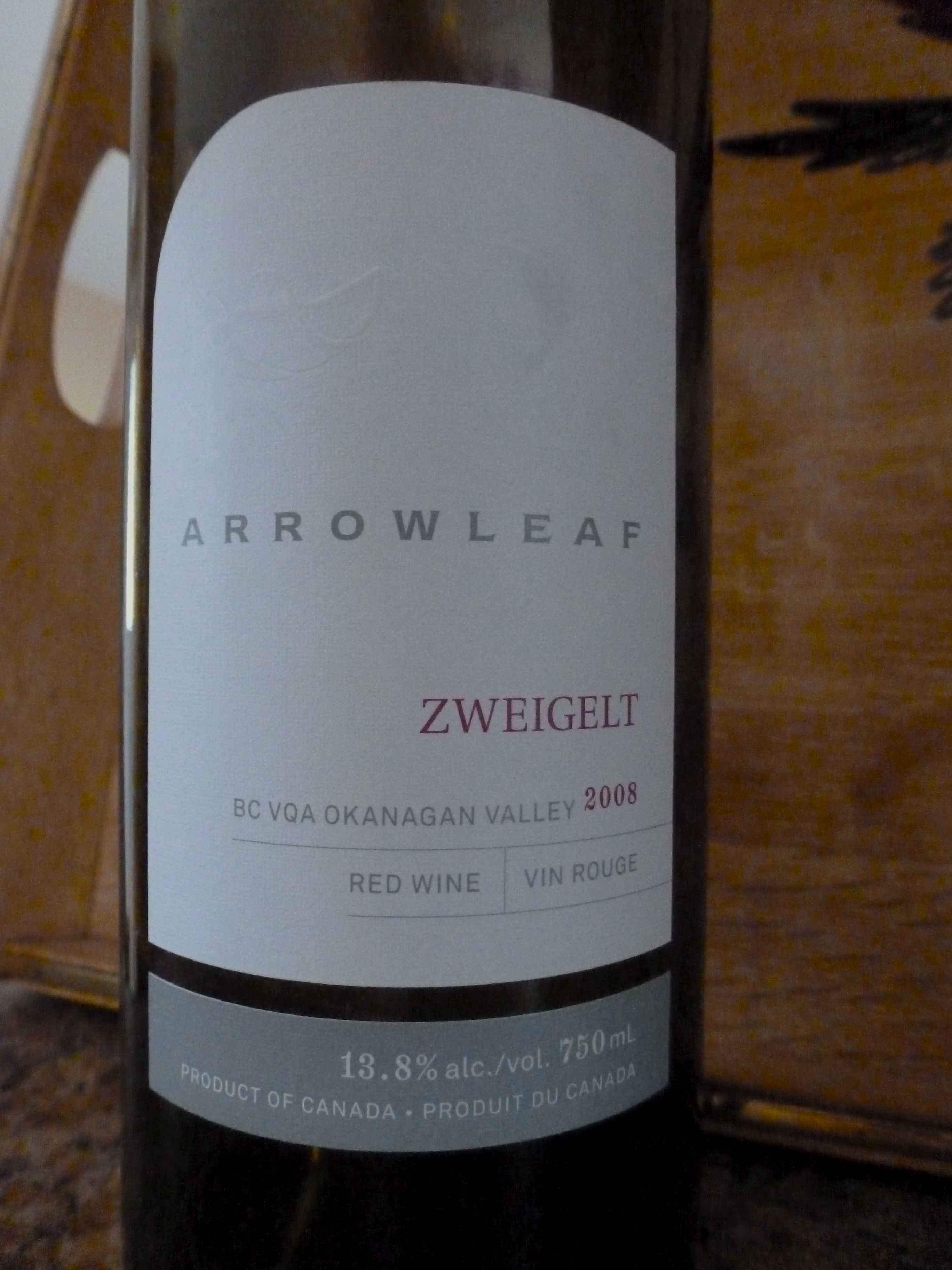
One Man Band
This is a wine that tastes of a great deal of manipulation in the fermentation process, that likely started right back on the vine, with manipulations of leaf area, water, and nitrogen throughout the growing season. The result of all of that is a easy-sipping red wine, quite smooth and gentle, moderately robust, with good colour, and no character at all. This is a dead wine. Zweigelt is an intriguing, new cool-climate red from Austria. Typically, its lateness and vigour in low-light climates brings it a great deal of leafiness. Arrowleaf, however, has treated this leafiness as a detriment, perhaps in the effort to turn it into a warm climate red. It’s a shame. Those leafy zweigelts, with their pungent malic and tartaric acids left from curtailed seasons, have tremendous potential for navigating strongly and untouched through fermentation and then aging spectacularly in the bottle. We could produce something as new with this grape as the winemakers of the Willamette did with pinot noir a few decades ago. The treatment these berries have received is not worthy of that potential.
And there’s the problem. Wine-making has become a chemical art. In part, this is justified, as wines are largely made in the process of fermentation, but there’s a great distance between that and the new mantra of wine-making and wine-tasting, which is all about describing wines in terms of other fruits. Here, for example, is what British Columbia wine guru John Schreiner says about a recent Okanagan release:
“Siren’s Call Malbec 2010 ($26.90). This red has a swaggering personality, with peppery aromas and flavours that wake up the palate. In his notes on the wine, Mark speaks of pencil lead and spice. I would not disagree but I also found cherries and plums and a peppery finish. 91.” You can read John here. He’ll let you know who the players are in the game, and what are their newest offerings. He provides a great service, but he doesn’t, perhaps, provide this:
Categories: Agriculture, Industry, Wine

 Okanagan Okanogan