I have worked here since 2011 telling stories of the Earth as preparation for a history of the Intermontane Grasslands of Central Cascadia and the rainswept coast that keeps them windy and dry. Now I am presenting this history, step by step, as I have learned it, often from the land itself. The history of this region includes the Canadian colonial space “The Okanagan Valley”, which lies over the land I live in above Canim Bay. The story stretches deep into the American West, into the US Civil War, the War of 1812, and the Louisiana Purchase, as well into the history of the Columbia District of the Hudson’s Bay Company. In all, the story spans the Chilcotin and Columbia volcanic plateaus and the basins that surround them. In this vast watershed lie homelands as old as 13,200 years (Sequim) and 16,200 years (Salmon River.) That’s how far we are walking together here, who are all the land speaking.



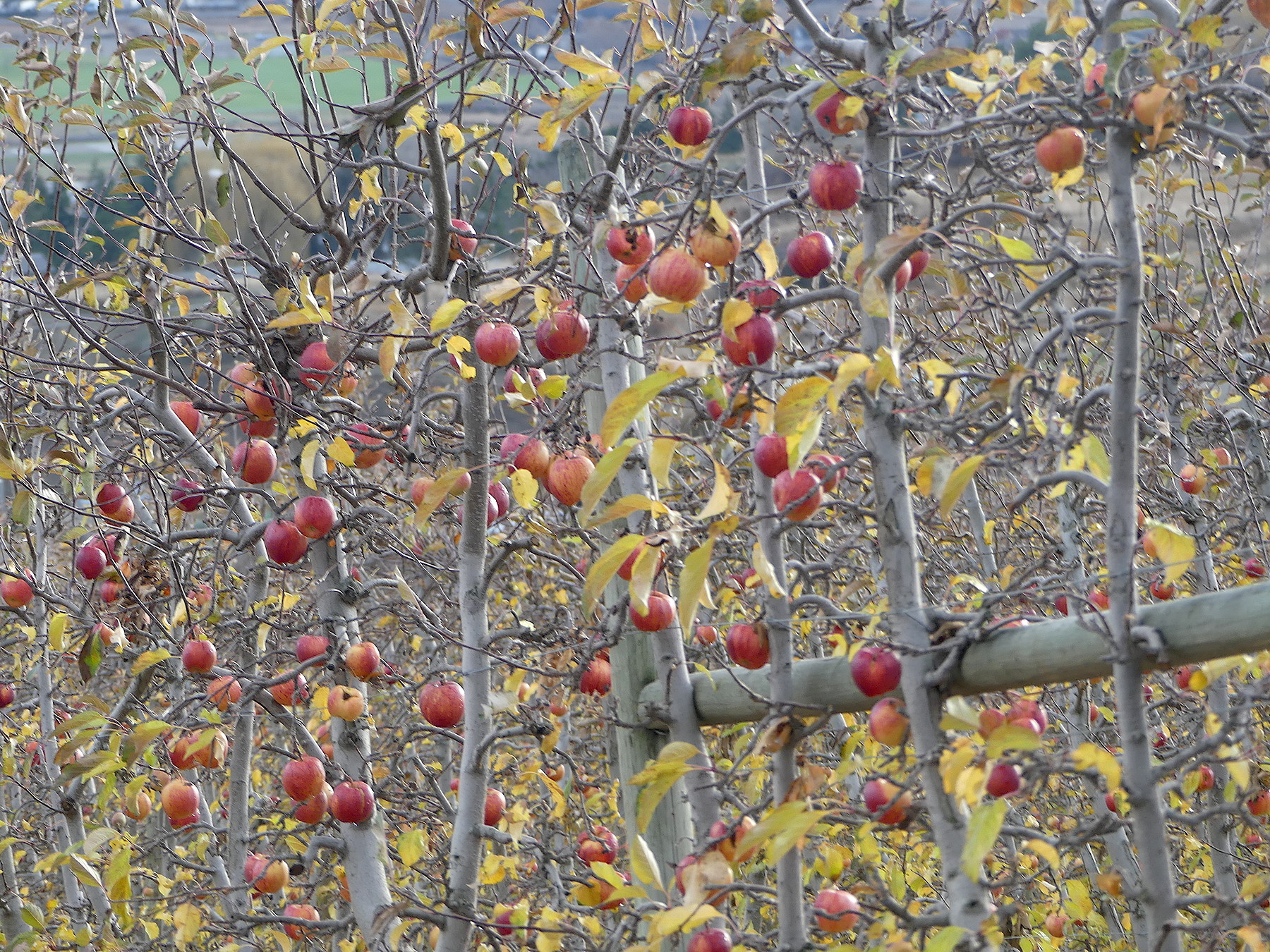



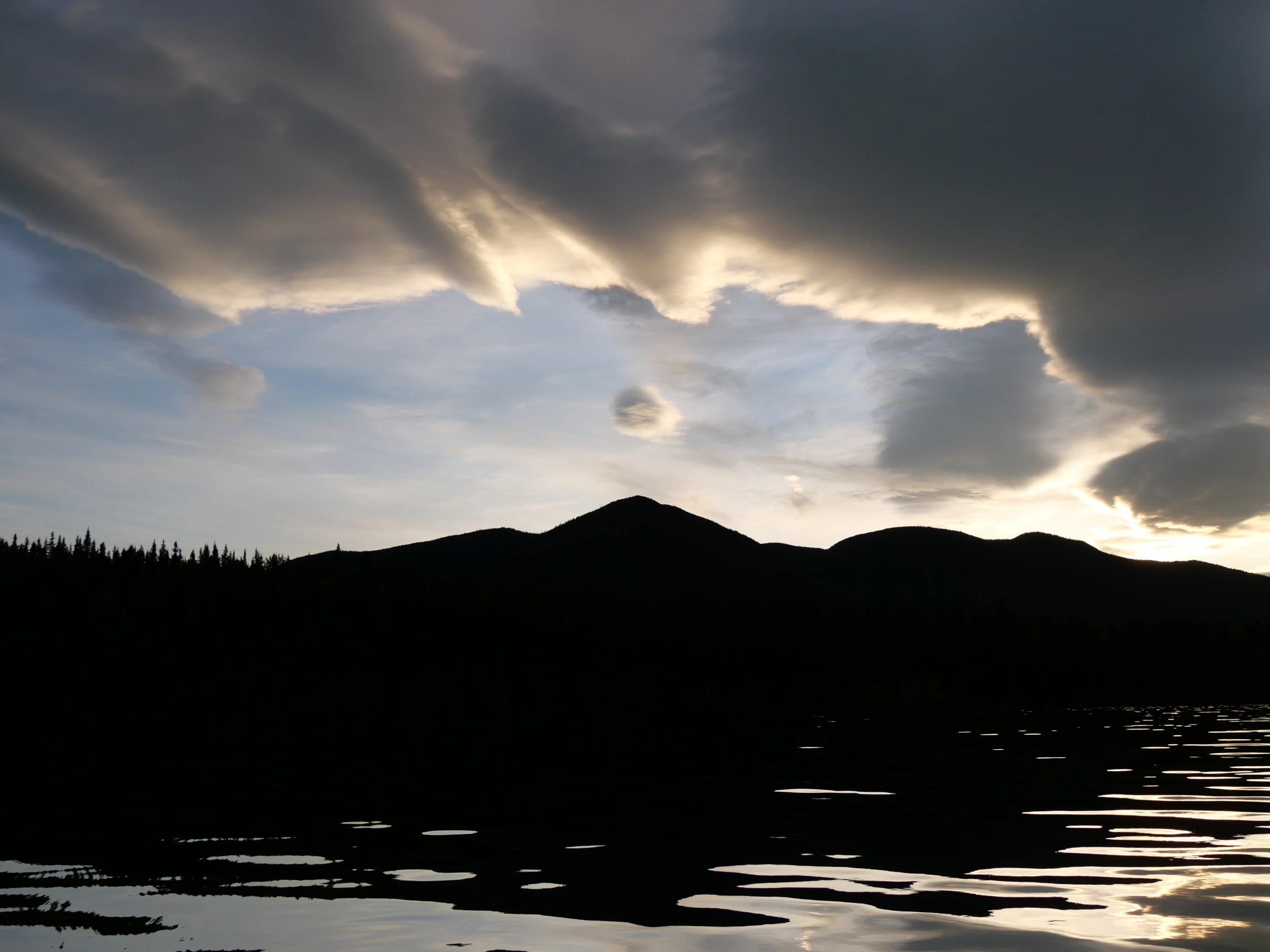
 Okanagan Okanogan
I don’t understand why some rowan (mountain ash) trees are stripped already by mid-October and others keep their berries until the pine grosbeaks, starlings, and wintering robins (even here in Smithers area) eat them. There must be a wide genetic variety in even the native and introduced varieties that make some ferment earlier or soften earlier.
LikeLike
Quite the variation, for sure. Those little ones, two metres tall at best, that grow around 5 or 6,000 feet in the Bonaparte, get picked early, but then the snow comes early, too. Surely, a mystery. And the waxwings! They make their rounds. Perhaps it’s a function of what else is out there? Or what birds are out there, able to take them at what stage? Or needing to? What do you think?
LikeLike
Oops, I forgot the waxwings which we see in the spring eating fruit tree blossoms and in the fall cleaning off the mountain ash berries.
I know that with the “crabs” of domesticated ornamental fruit, the whiskey jacks will sometimes take them in the early fall, but they cache them. In the Lower Mainland, the few remaining hawthorn hedges (like along the Savage farm on Hwy 10) bear lots of fruit (haws) which the birds–robins, and the last two surviving pheasants not poisoned or mowed out of existence–will eat after several freezes and thaws soften the haws, so to speak.
LikeLike